

Iran’s Economic Coercion in the Gulf
A key element of Iran’s strategy has been to impose economic pain on the Gulf states to force them to press the United States into staying its hand. That approach is about leverage, not just local gains. Tehran is betting that economic strain will translate into political pressure on Washington.
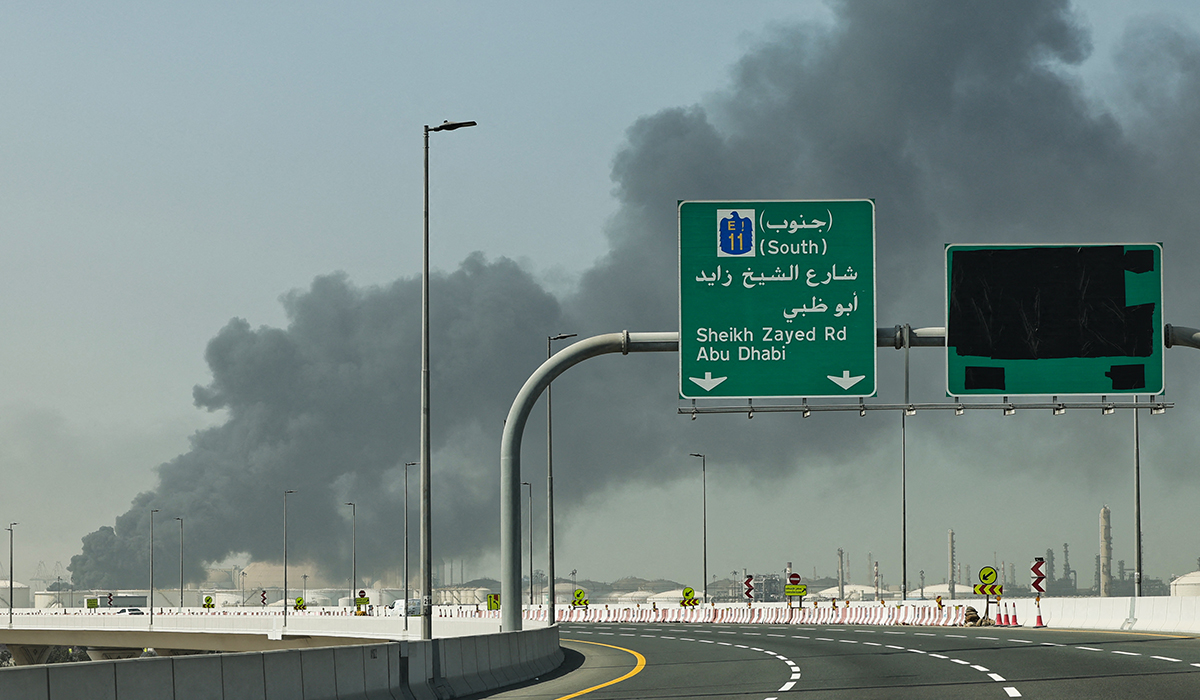
Iran uses a mix of tactics to create that pressure: attacks on shipping, disruption of energy infrastructure, cyber operations, and proxy strikes. These moves are designed to rattle markets and raise the cost of confrontation. The goal is clear; make the regional price of resisting Iran too high for Gulf partners to bear.
From a Republican perspective, this is coercion dressed up as strategy. We should call it what it is. Caving to pressure sets a dangerous precedent that rewards bad behavior.
Gulf states feel the pinch because their economies are tightly linked to global energy flows. A single strike on a tanker route or a pipeline can spike prices and shake investor confidence. Iran knows that financial pain breeds political urgency in capitals that are keen to avoid domestic fallout.
The United States should not be put in the position of negotiating under threat. Deterrence works when it’s credible and consistent. If the U.S. signals weakness, Iran will push further and other adversaries will take notes.
Practical steps are straightforward and tough-minded. Maintain robust naval presence in key waterways, escalate sanctions that bite at Tehran’s revenue streams, and expand intelligence cooperation with Gulf partners. These tools protect commerce and make coercion less effective.
Energy security must be a central pillar of the response. Diversifying routes, increasing strategic reserves, and helping Gulf states harden infrastructure lowers the payoff of attacks. Private sector resilience matters as much as military posture.
Misunderstandings and miscalculations are the real short-term danger. Clear redlines reduce the risk of accidental escalation. The U.S. should communicate those lines plainly while preparing proportional responses if they are crossed.
Gulf governments face a political balancing act of their own. They want security guarantees without dragging themselves into wider confrontation, and that political calculus is exactly what Iran hopes to exploit. Strong, visible American commitment makes the choice easier for them.
Economic pain can cascade beyond the region, pushing up prices and fueling global uncertainty. That outcome harms American consumers and industries, giving Congress more reason to back decisive measures. Republicans should push policies that shield the economy while denying Iran the leverage it seeks.
Diplomacy has a role but it must come from strength, not appeasement. Coordinate sanctions, share intelligence, and present a unified stance with partners who also suffer from disruptions. Negotiations that reward coercive tactics will only encourage repeat behavior.
Longer term, the best defense is a mix of military readiness, economic resilience, and regional partnerships that reduce vulnerability. Invest in capabilities that keep sea lanes open and in energy infrastructure that can withstand shocks. That combination removes Iran’s most attractive lever and restores stability without rushing into needless conflict.