

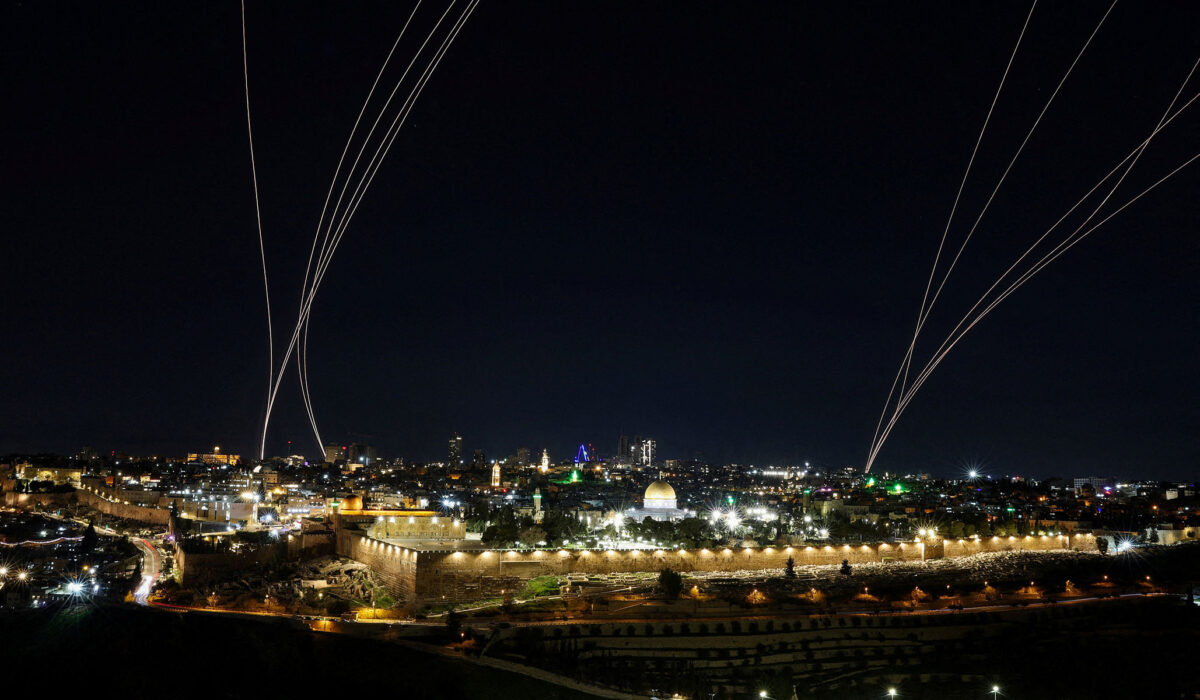
Iran’s Regime Mounts the Offensive That Many Expected as the Theocracy Falters
The regime’s armed forces are mounting the very offensive that was expected to accompany the theocracy’s final moments. That sentence captures a grim, predictable pattern: when a regime feels cornered it often lashes out, using military power to distract and intimidate. In Tehran’s case, the move looks like a bid to buy time and shake off mounting internal pressure.
Inside Iran, unrest and economic pain have eroded the regime’s margin for error and sharpened elite rivalries. When rulers face loss of legitimacy, coercion and external posturing become tools to hold the system together. The offensive fits that template, designed to rally hardliners and signal that the state still has teeth.
From a Republican perspective, this is not just local theater; it has regional and strategic consequences. A desperate regime that resorts to kinetic action raises risks for U.S. partners and for global stability. The pattern is familiar: aggression at home, provocations abroad, and insistence that resistance equals chaos unless the ruling clerics remain firmly in control.
Iran’s security playbook blends conventional and proxy tactics to raise costs for adversaries without committing to full escalation. That ambiguity serves a clear political purpose at home: demonstrate strength while avoiding direct hits that could invite overwhelming retaliation. The result is a harder environment for diplomacy and for allies trying to defend themselves.
Republican commentators will point out that appeasement has historically failed with Tehran. Concessions that reduce immediate pressure tend to extend the regime’s life and embolden its ambitions. The recent offensive underscores the case for a posture that deters aggression and supports regional partners’ security needs.
At the same time, the regime’s gamble carries internal risks. Mobilizing armed forces for external action can intensify public anger when citizens are suffering at home. That tension between external bravado and domestic collapse can accelerate the very unraveling the regime hopes to avoid.
International observers should note how this offensive reshapes calculations for neighboring states. Small shifts in posture by allies can change Tehran’s risk assessment very quickly. The new dynamics make clear that regional security will not stabilize on its own.
Messaging matters as much as munitions. Theocratic leadership relies on narratives about external threats to justify crackdowns and extend emergency powers. The offensive provides fresh propaganda material that the regime will use to frame dissent as dangerous and unpatriotic.
Economic tools remain relevant because the regime is vulnerable to financial pressure. Sanctions, export controls, and targeted measures strike at the networks that keep leadership options open. Republicans argue those levers are effective when paired with clear deterrence against military escalation.
Meanwhile, allies on the ground face hard choices in balancing deterrence and de-escalation. Military readiness, intelligence sharing, and coordinated diplomatic pressure shape the window of options available to those neighbors. The offensive compresses that window and forces quicker, sharper decisions.
What’s happening now is a pivotal moment for policymakers who favor firmness over accommodation. The regime’s offensive is a gamble that may stabilize theocrats in power temporarily but deepens isolation and accelerates decay at home. For analysts watching Tehran, the move is both predictable and worrying.
History shows that regimes under existential stress often choose perilous paths to survive. The present offensive follows that script, with real dangers for regional security and for the people living under the theocracy’s rule. Observers, allies, and critics alike will be measuring outcomes, risks, and the potential for further escalation in the days ahead.