

Iran’s Civilian Infrastructure and the IRGC: A Republican View
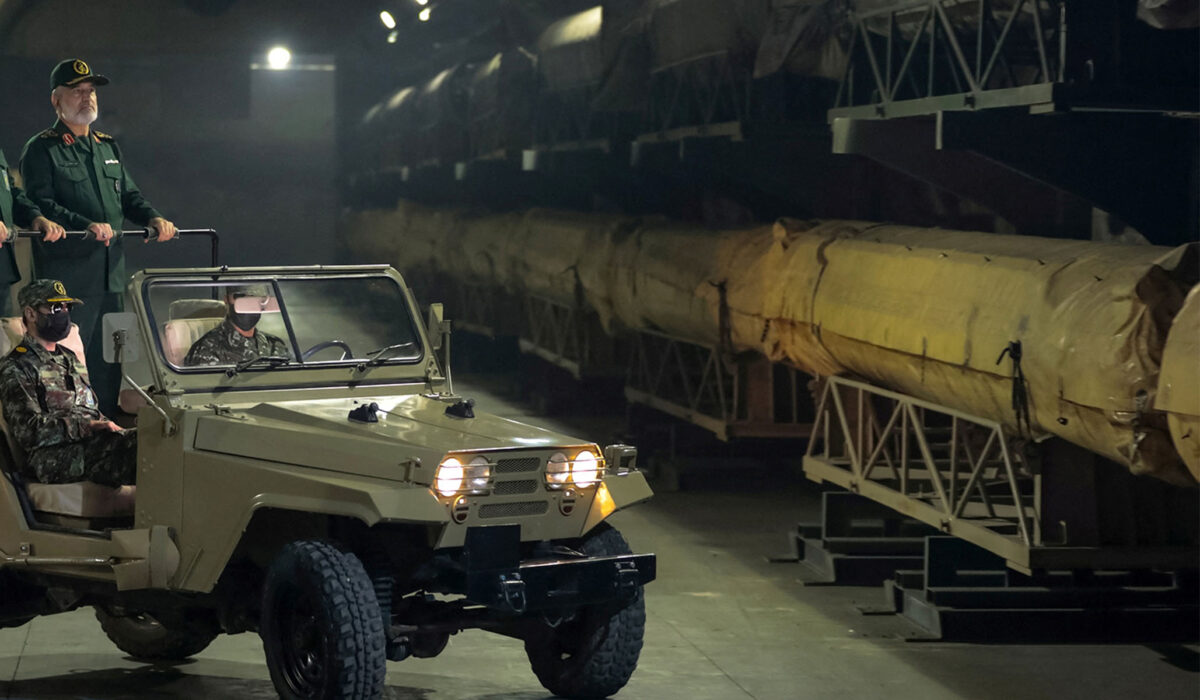
“There are no ‘civilians,’ in the Western sense, in Iran, and the IRGC uses the infrastructure for its war aims.” That blunt line captures how the regime blends state, military, and society into one operating system. From a Republican perspective, that fusion changes both the moral and practical landscape of any response.
The IRGC is not an isolated military branch; it is a parallel state with political, economic, and security reach. It owns companies, controls ports, and has stakes in energy and logistics networks that also serve civilians. That overlap means ordinary infrastructure can be redirected toward strategic objectives without clear separation.
When infrastructure doubles as military capability, classic rules about safe havens and protected targets get muddier. Facilities such as power plants, shipping terminals, and telecom hubs can support command-and-control, arms transfers, or proxy operations. This dual-use reality forces policymakers to rethink deterrence and proportionality in a high-threat environment.
Republicans tend to stress accountability: if a regime turns civilian systems into force multipliers, liability follows. The argument is that leadership responsibility doesn’t vanish because infrastructure also serves basic needs. Holding state actors to account is framed as enforcing norms and deterring future abuse.
Strategic targeting decisions become more complex when adversary forces hide inside civilian footprints. Precision matters, but so does verification and intelligence. The quality of targeting intelligence determines both the operational success and the moral defensibility of any kinetic move.
Economic tools are a natural lever against a regime that finances war through commercial networks. Freezing assets, sanctioning IRGC-linked firms, and disrupting revenue pipelines aim to cut the lifelines that let military ambitions persist. Republicans generally favor squeezing the financial arteries that support coercive statecraft.
At sea and in cyber space, the lines between civilian and military blur further. Cargo ships can ferry materiel for proxies, and civilian networks can be repurposed for offensive cyber campaigns. A hardened defense posture and resilient infrastructure are seen as prudent responses to that persistent ambiguity.
Diplomacy still has a role, but here Republicans emphasize strength behind the table. Negotiations without leverage risk rewarding the very behavior that weaponizes civilian systems. The policy mix preferred in this view pairs pressure with clear, verifiable changes in behavior before rewards are considered.
Allied coordination is essential because the IRGC’s operations are regional and transnational. Intelligence-sharing, joint sanctions, and synchronized maritime patrols reduce loopholes the regime exploits. The practical point is simple: isolated responses leave gaps for adversaries to exploit.
Finally, there’s a human angle that gets complicated when civilians and military aims overlap. Blurring those lines endangers populations the West would ordinarily protect and gives authoritarian regimes plausible deniability. The Republican framing holds that confronting this model demands clarity in policy, toughness in enforcement, and measures that cut the regime’s ability to weaponize everyday systems without glorifying violence.