

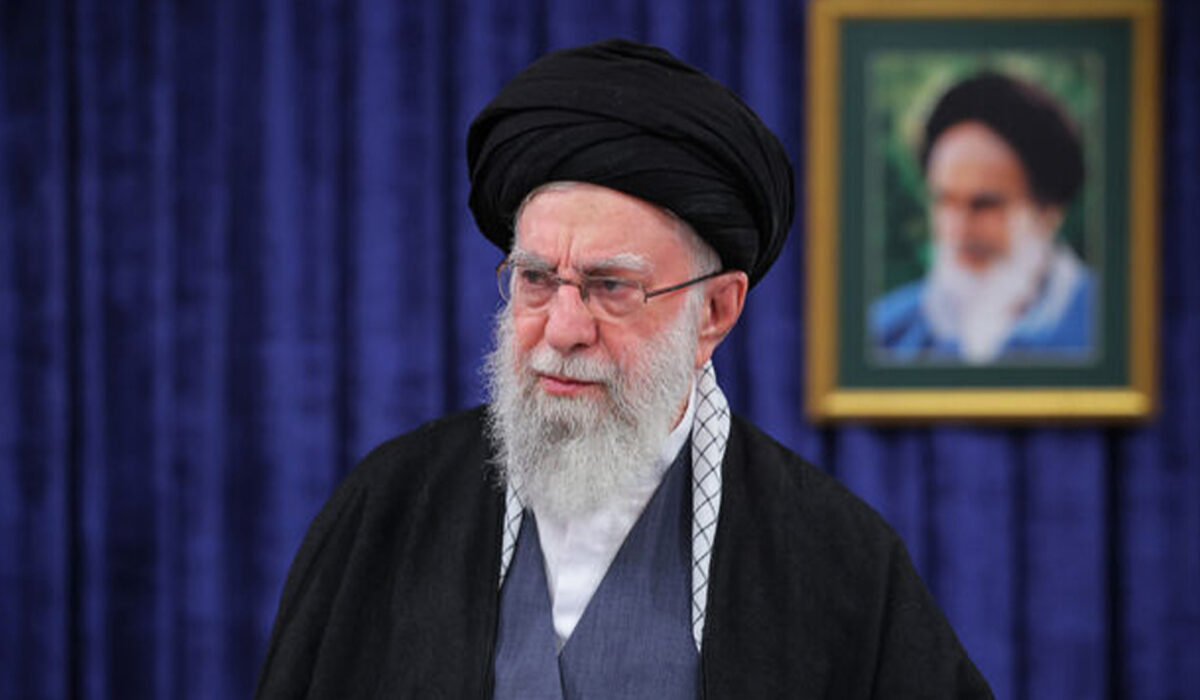
The End of an Era: Iran’s Clerical Despot Since 1989
The despot at the top of Iran’s clerical hierarchy since 1989 met his fate at the hands of the nations that he devoted his life to destroying. That blunt fact redraws the political map Tehran has relied on for decades. What follows is a look at the immediate fallout and what it means for American interests and regional stability.
For decades the regime in Tehran depended on a tight circle of clerical control and an external network of militias and proxies. That apparatus projected influence across the Middle East while repressing dissent at home. The leader’s long rule shaped Iran’s foreign policy and domestic repression in ways that will not disappear overnight.
Externally, Iran’s strategy rested on asymmetric warfare, arms shipments, and covert action against neighbors and Western allies. Those tactics imposed costs on regional partners and drew fire from capitals that value stability and secure borders. The sudden removal of the top figure exposes those shadow operations to reassessment and disruption.
Domestically, Iran faces a likely scramble for succession inside a theocratic system that has no easy mechanism for peaceful transition. Power brokers in the Revolutionary Guard, clerical bodies, and security services will jockey for control. That contest could bring renewed cruelty toward dissenters and increased instability across the country.
From a Republican perspective, this moment underscores the necessity of projecting strength and clarity of purpose. Weakness or mixed messages invite chaos and embolden adversaries to fill any vacuum. The U.S. and its partners should make clear their commitment to defending allies and denying Tehran the chance to exploit disorder.
Regional capitals will weigh their options as well, and the balance of power could shift rapidly around Israel, the Gulf states, and Iraq. Allies will demand reassurance that American strategy protects their interests without needless escalation. That pressure will test policymakers on both sides of the aisle to be realistic and resolute.
Intelligence and military posture will be front and center as nations assess how much of Iran’s capability was tied directly to the top leadership. Contingency planning must account for terrorist retaliation, proxy assaults, cyberattacks, and missile strikes. Those are risks that responsible security policy cannot ignore.
Economic levers remain potent tools for shaping Tehran’s choices, and sanctions enforcement will matter more than ever in the weeks ahead. Targeted pressure aimed at regime figures and their networks can restrict the clerical state’s ability to reconstitute its reach. At the same time, humanitarian pain among ordinary Iranians requires careful calibration to avoid empowering hardliners.
Support for dissidents and civilians seeking relief from repression should be principled and discreet, recognizing the difference between cheering a regime’s fall and endorsing chaos. Republican foreign policy traditionally prioritizes both moral clarity and national security, which means empowering partners while denying safe havens for terror. That balance remains critical as events unfold.
The removal of a leader who ruled since 1989 is a seismic event with global ripple effects that will play out over years. It raises the prospect of new alignments, internal contestation, and renewed threats to regional order. Each government now has to choose whether it will help stabilize the region or exploit the vacuum for its own advantage.