

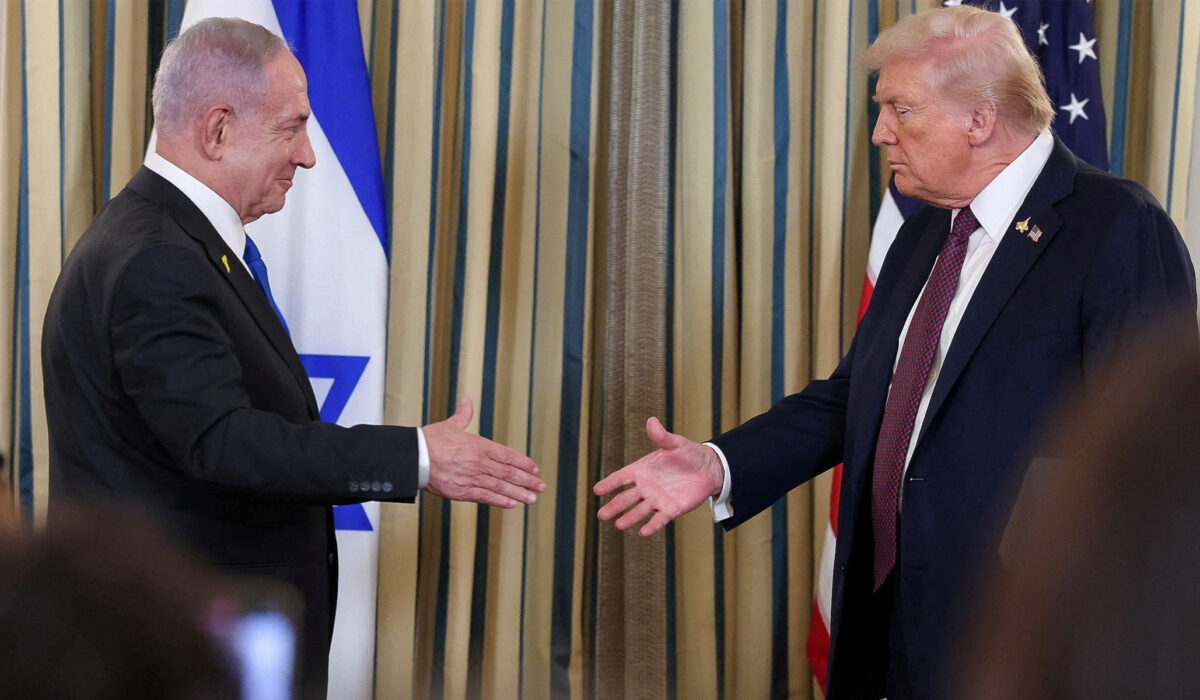
Why Some on the Isolationist Right Say Trump Is Fighting Iran for Israel
“The isolationist right is convinced that President Trump is waging the Iran War on Israel’s behalf.” That line captures a sharp split inside the conservative movement, where skepticism about foreign commitments sits alongside a firm pro-Israel sentiment. This piece looks at why that charge sticks and what it means for Republican politics.
For many isolationist conservatives, the concern is basic: American lives and resources should not be spent to settle regional disputes that do not directly threaten U.S. soil. Any military or diplomatic moves perceived as advancing another nation’s strategic aims trigger immediate pushback. That stance reflects a wider instinct to pare back foreign entanglements and keep focus on domestic priorities.
On the other side, Republican hawks and much of the pro-Israel coalition see deterrence as a core national interest. They argue that a strong posture toward Iran reduces risks of conflict spreading to U.S. forces and protects key allies who share intelligence and strategic advantages. From that view, pushing back against Tehran is not altruism; it is prevention.
Part of the problem is signaling. When senior officials repeatedly stress their support for Israel, critics interpret those statements through a narrow prism and assume operational alignment follows. Messaging can create perceptions faster than reality does, especially in a charged media environment. Perception then becomes policy in the court of public opinion.
Another driver is personnel and advisors. When top national security roles are filled by figures known for close ties to Israel, isolationists see confirmation bias rather than balance. That fuels the narrative that U.S. strategy is being shaped to favor one ally’s goals over American ones. Skeptics demand clear written objectives and tight congressional oversight as a cure.
Trump’s own style complicates matters. He campaigned as an America first outsider, but as president he often blended transactional diplomacy with unmistakable support for Israel. Voters who bought the outsider pitch feel betrayed when military or covert actions look like long-term commitments abroad. That tension has real consequences for Republican unity.
From a Republican perspective, the practical question is whether actions in the region actually protect American security interests. Supporting an ally can pay off if it prevents larger wars or secures strategic advantages, but it can fail if it drags the U.S. into prolonged conflict. Conservatives rightly press for measurable objectives, narrow missions, and clear exit criteria.
There is also a political calculus. A GOP that appears to be the party of unconditional foreign intervention risks alienating its base, especially younger or working-class voters who prefer spending on infrastructure, energy, and veterans. Balancing alliance commitments with grassroots priorities requires messaging discipline and policy clarity. Republicans who want to reconcile these factions need to offer a credible plan that respects both national interest and fiscal restraint.
In the end, the claim that President Trump is waging war on Iran for Israel’s benefit is a symptom of deeper disputes about strategy, trust, and priorities within the conservative movement. The debate will hinge on evidence: whether actions demonstrably secure American interests or whether they look chiefly like extensions of allied goals. Republicans should demand transparency and accountability while recognizing that deterrence sometimes means making hard, unpopular choices to keep the peace.