

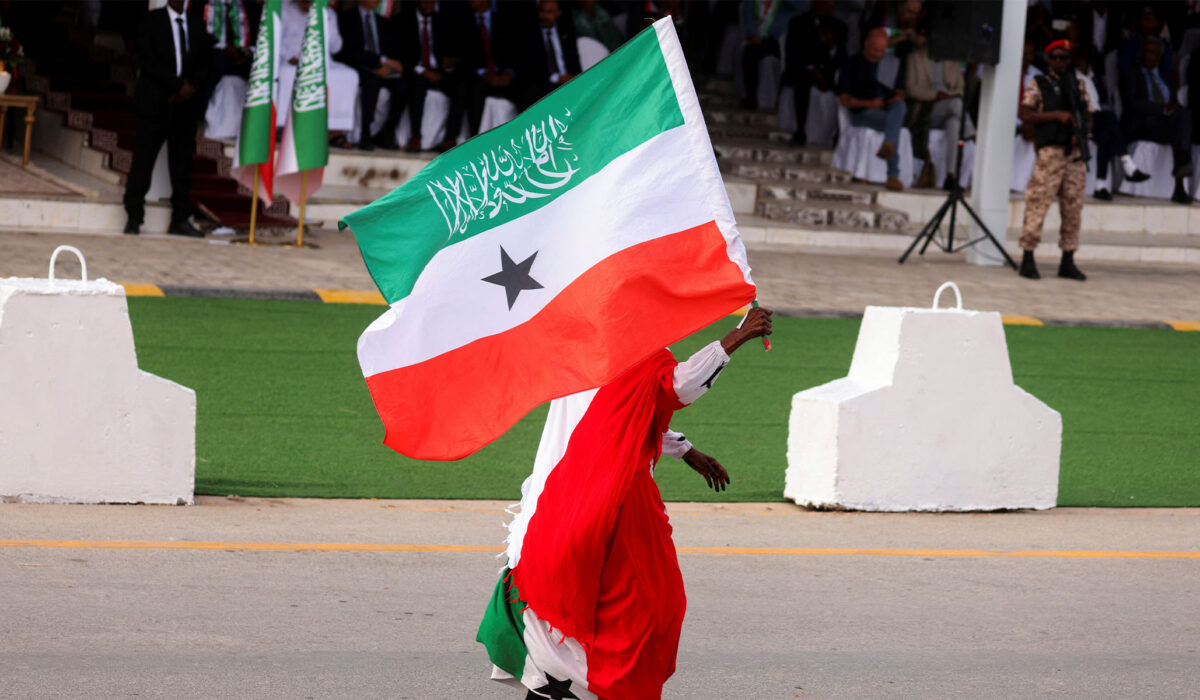
Israel’s Recognition and the Realignment in the Horn of Africa
Israel’s recent recognition of a breakaway state in the Horn of Africa changes a long-held balance in that part of the world. Washington and its allies will be watching closely as formal ties open new diplomatic and economic channels. This move is more than symbolic; it has practical consequences for trade, security, and influence.
For Republicans, the development reads as an opportunity to reward a partner that has built institutions and demonstrated stability where chaos once reigned. A friendly, reliable port and cooperative leadership are valuable assets for the free world, especially given competition from Beijing and Ankara. Recognition allows Israel to expand practical cooperation in law enforcement, counterterrorism, and intelligence sharing.
Economically, the region can become a hub for logistics and energy transit if private investment follows diplomatic recognition. Ports and air corridors matter in an era when supply chains are under pressure and nations want options beyond a single chokepoint. Increased commerce would benefit local populations and create leverage against outside actors that seek to convert influence into permanent military footholds.
Strategic competition is the angle that will dominate policymaker thinking. China has spent heavily to secure ports and bases through debt diplomacy, and Turkey has pursued influence through soft power and investment. Israel’s move complicates those efforts by giving a like-minded partner an alternative backer in the region, and that matters for maritime routes and regional stability.
There are risks tied to precedent and regional reaction, and they are real. Neighboring governments that reject secessionist movements will react politically and possibly economically, testing the durability of new ties. Diplomacy will need to manage spillover tensions while keeping channels open for conflict de-escalation.
Recognition also raises questions about legal status and international law, but politics often outruns doctrine in these cases. When a territory demonstrates functioning governance and delivers public services, facts on the ground shift how states calculate interests. That is why recognition can be both a legal and strategic judgment, not merely an ideological statement.
Security cooperation is already a language Israel speaks fluently, and pragmatic ties can yield rapid returns. Training, surveillance technology, and joint operations against extremist networks are all on the table when trust is established. These capabilities matter for protecting shipping lanes and combating groups that exploit weak governance.
The economic angle includes private sector opportunity as much as public investment. Energy exploration, port development, and logistics infrastructure attract firms looking for predictable rules and security. Where investors see stability and clear ownership, they provide the capital that turns potential into real jobs and services.
On the diplomatic front, formal ties invite other states to reassess their positions, and that churn can generate both openings and pushback. Some countries might follow suit quietly, while others will bolster ties with the recognizing state’s rivals. The net effect will depend on how well new partnerships translate into tangible gains for local populations.
For American policymakers who lean Republican, the calculus will focus on strategic alignment, the promotion of sovereignty-friendly partners, and containing adversarial influence. Engagement that balances encouragement with realism will likely be favored over purely moralizing positions. Practical cooperation, not grandstanding, is what secures long-term influence.
Ultimately, the decision is a test of taste for realpolitik: prioritize stable, pro-Western actors or cling to an old regional map that has not delivered security. The choice reshapes where investments flow and which nations anchor a more secure maritime gateway. What plays out next will define power, commerce, and security in this corridor for years to come.