

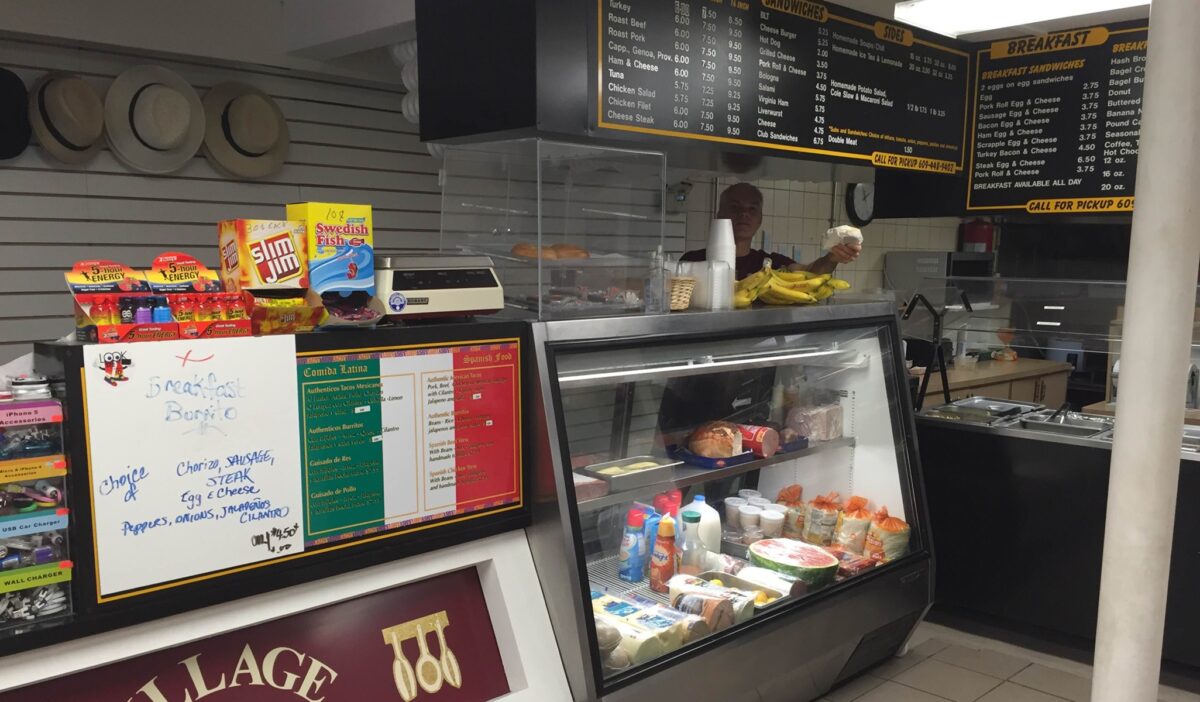
Italian Delis Keep the Rhythms of Life Going
Step inside an Italian deli and you step into a routine that feels like a pulse in a neighborhood. The same faces appear at similar hours, the same orders come off the counter, and small daily rituals get honored without fanfare. These stores are not just shops; they are calendars and clocks for the people who rely on them.
Morning espresso, a hunk of fresh bread, and a quick exchange with the owner set the tone for a day. Older customers still prefer the counter and a quick chat over the newspaper, while younger shoppers pick up charcuterie or specialty ingredients. Every interaction reinforces a shared rhythm that big-box stores rarely match.
Behind the glass cases are decades of techniques and tastes. Salumi and cheeses are trimmed, sliced, and wrapped with practiced hands that learned their craft from parents or old-school suppliers. Recipes travel across generations by way of smell and texture rather than formal notes.
Italian delis also manage celebrations, both large and small, by supplying essentials for family gatherings. You’ll find trays sized for weekday dinners and for milestone parties, all packed with foods meant to be passed around and remembered. The deli becomes a quiet partner in life’s events.
Community networks form naturally around these counters and coolers. Neighbors swap tips about which loaf is best for bruschetta and where to find a particular imported olive. That informal knowledge-sharing strengthens social bonds and makes the deli an information hub as much as a food source.
Owners often wear many hats: purveyor, counselor, and neighborhood historian. They still answer questions about family recipes and offer substitutions when supplies are tight. That adaptability keeps traditions relevant even when tastes shift.
Real tradition survives because these shops balance preservation with practical change. Many delis still make house-made meatballs or biscotti while also offering gluten-free or plant-based alternatives to serve a wider crowd. The point is not to freeze culture in amber, but to keep it living and useful.
Space and rent pressures test these small businesses, and some shops have had to shrink or relocate. Yet many respond with creative adjustments like streamlined menus, partnerships with local farms, or pre-order services. Those moves aim to preserve the deli’s role without losing the personality that made it essential.
There is also a sensory education happening every time someone lingers at the counter. Newcomers learn which cast-iron pan suits a recipe and how a few minutes at the right temperature can transform vegetables. These micro-lessons build culinary confidence and, in turn, more regular visits.
Suppliers matter here: a trusted salumeria or cheesemaker can define a deli’s reputation. Longstanding relationships mean access to seasonal items and rarities that large chains cannot replicate. That consistency is how traditions stay intact across generations.
At a deeper level, delis preserve language and gesture as much as food. The way a sandwich is wrapped or the nickname used for a regular carries history that customers expect. Those small rituals register as cultural continuity in a fast-moving world.
In short, Italian delis survive by being both anchors and living rooms for their neighborhoods. They offer daily rhythm, culinary craft, and a network of exchange that keeps local life coordinated and flavorful. Walk in and you find much more than groceries; you find a practice of belonging that gets renewed every day.