

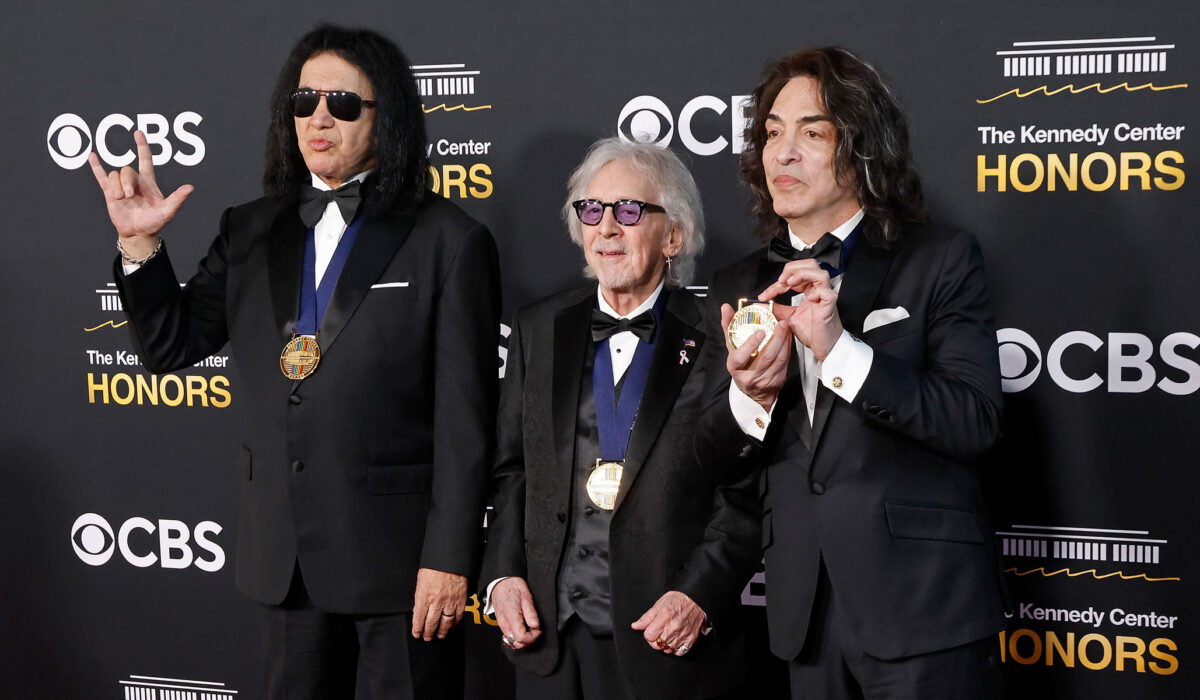
Kennedy Center Honors and a Populist Moment
“If Trump’s goal is to create a Kennedy Center for the people, then this year’s Honors ceremony seemed entirely designed to vindicate their tastes.” That line captures the surprise at how a traditionally elite event shifted toward a more populist sensibility. The moment felt deliberate and politically resonant in tone.
The ceremony leaned into artists and performances that connect with everyday Americans rather than just insiders. That choice altered the aura of the event, making it feel accessible without feeling cheap. People in the audience and at home noticed the change right away.
From the stage selections to the presenters, there was a sense of recalibration toward cultural figures who have wide, genuine followings. That kind of recalibration matters because cultural institutions set norms and communicate values. When those values tilt toward popular taste, the ripple effects are real.
For Republicans who saw the shift as long overdue, it felt like a correction more than a takeover. The idea is simple: national recognition should reflect the nation, not just a small set of gatekeepers. That argument has political and cultural force.
Critics who prefer the old guard raised familiar objections about standards and seriousness. Those critiques matter, but they also ignore how cultural relevance keeps institutions alive. The public appetite for artists who speak directly to their experiences is not a fad.
There was also an element of theater to how the ceremony was framed, a conscious nod to spectacle that draws viewers. That attention-getting approach isn’t inherently bad; it’s a way to reengage people who have drifted away from national cultural rites. It signals that the institution noticed the audience was waiting.
Acknowledging popular taste doesn’t erase artistic merit, and many of the evening’s honorees delivered work with craft and impact. The real debate is over who gets to decide what counts as worthwhile. Shifting that power toward broader public taste changes the conversation about cultural authority.
Practically speaking, institutions that court a wider audience may also secure more funding and relevance down the line. That helps preserve their operations and their ability to influence future generations. It is a strategic, not merely symbolic, move.
The Kennedy Center’s tone this year points to a larger cultural tug-of-war about gatekeepers and the public. Whether this trend continues will depend on voters, donors, and the next roster of honorees. The ceremony showed one path forward for cultural institutions seeking national resonance.