

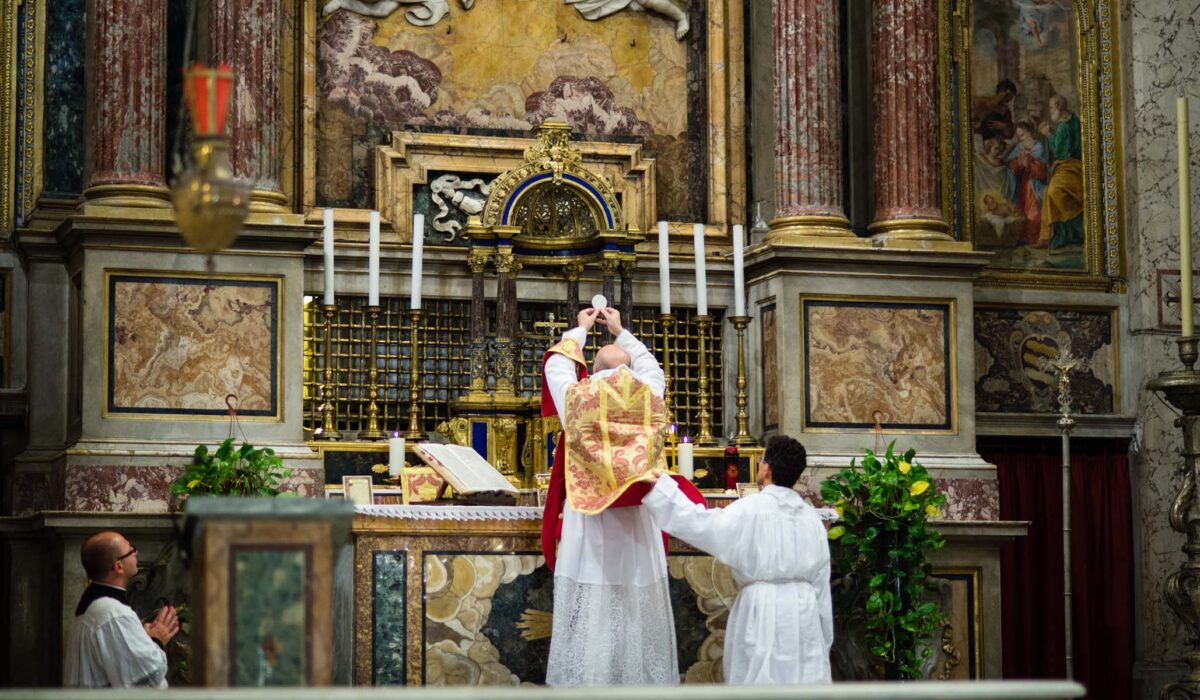
Traditional Catholics Finding Momentum
Across parishes and chapels, more people are drawn to older forms of Catholic worship and a clearer sense of tradition. That pull is about ritual, formation, music, and a hunger for stability in faith life. Observers see a cultural appetite for practices that feel rooted and serious.
Traditional Catholics are optimistic about their movement, and for good reason: It’s growing.
Part of the appeal is the liturgy itself. The older rites and chants offer a rhythm many find calming and spiritually focused, and that aesthetic attracts folks who value reverence and continuity.
Vocations and seminarian interest in communities that prioritize traditional liturgy have shown upticks in local reports and anecdotal accounts. Where formation programs emphasize classical theology and disciplined prayer, candidates often report a stronger sense of purpose. That combination fuels parish life and future leadership.
Lay involvement is another engine. When parishioners take responsibility for music, catechesis, and community care, it builds resilience. These hands-on roles create networks that sustain growth beyond any single priest or program.
Education and catechesis tied to traditional practice seem to stick. Parents and young adults often praise clear teaching and structured sacramental preparation, which makes faith tangible. In turn, well-taught members invite others, reinforcing momentum.
Social dynamics play a role too. In uncertain times people look for institutions that offer clarity and a sense of belonging. Traditional Catholic settings often answer that need with familiar patterns, visible symbols, and disciplined worship.
There are tensions as the movement grows, especially when balancing fidelity to older forms with pastoral outreach. Some communities wrestle with how to welcome newcomers while keeping a high standard of liturgical and moral formation. Successful groups tend to pair hospitality with clear expectations.
Music and sacred art are not just decorations; they shape participation. Properly executed chant, polyphony, and sacred imagery lift attention away from individual preference and toward communal prayer. That shift in focus often deepens devotion and encourages continued involvement.
Practical steps support expansion: consistent formation for clergy and laity, clear communication about what the community values, and intentional hospitality that does not dilute core practices. When those pieces align, parishes become stable centers that attract people seeking depth.
Growth is uneven and context-dependent, but the broader pattern is unmistakable in many places: a craving for rooted worship, firm teaching, and communal discipline. Those elements are central to why the movement is gaining traction and why people are choosing this path for their spiritual lives.