

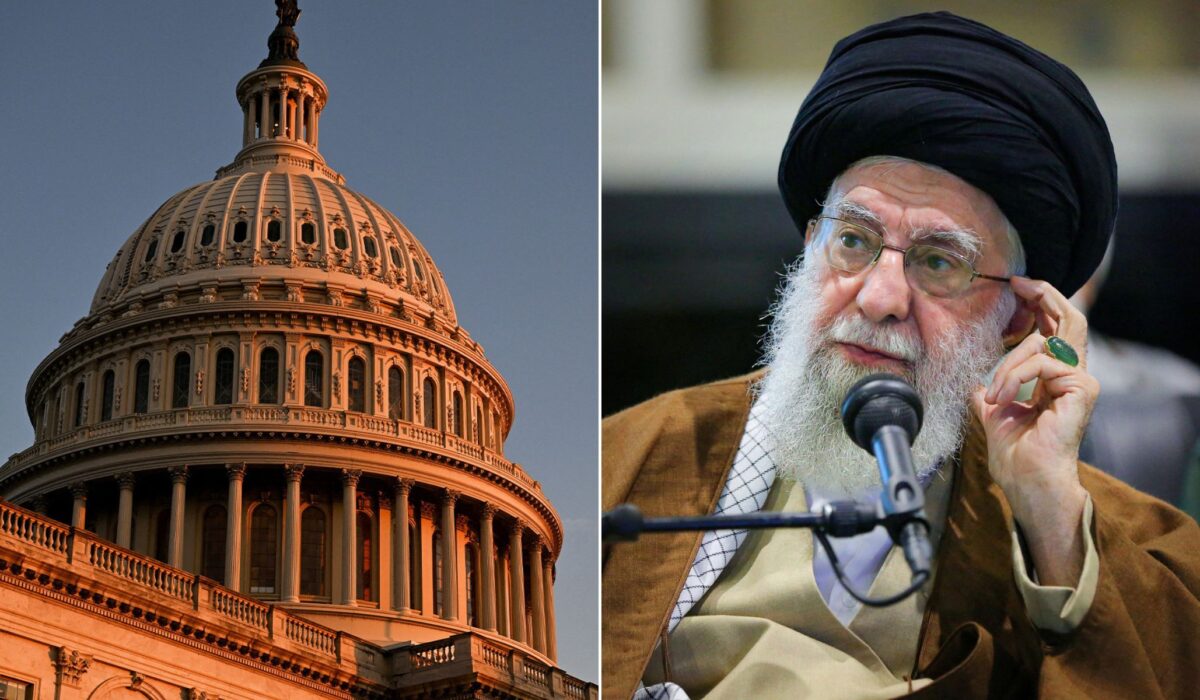
Congress Needs a Real Debate on Big Decisions
“A decision as consequential as this one deserves a real debate in Congress.” That line cuts to the heart of the problem: major choices that affect war, peace, and national security should not be made behind closed doors. When the stakes are this high, public lawmakers must step into the light.
Our Constitution puts lawmaking and the power to declare war in the hands of Congress, not the presidency alone. Ignoring that structure erodes the system of checks and balances Republicans say they defend. Restoring that balance means insisting on clear votes, not vague authorities.
Republicans believe strength comes from accountability, not secrecy. The executive branch can move fast, but speed cannot substitute for legitimacy. Members of Congress owe voters clarity on intent, costs, and objectives.
Debate forces tradeoffs into view: strategic aims, risks to troops, economic consequences, and diplomatic fallout all belong on the record. Those are not details to be entrusted to a handful of aides. They deserve open hearings, questioning, and votes that can be defended publicly.
An authorization to use force or a major diplomatic concession must be specific, time-limited, and condition-based. Broad, open-ended mandates create perpetual conflict and reward mission creep. Republicans should press for precise language that protects American lives and taxpayer dollars.
Sanctions, too, are policy, and Congress has the right to shape them. Legislation matters because sanctions are economic weapons with ripple effects at home and abroad. Lawmakers must weigh the costs for industry, consumers, and allies when they decide on those tools.
Intelligence and verification are part of the bargain but they are not a substitute for democratic debate. Classified briefings can inform votes, but secrecy cannot replace public justification. Voters have a right to know which compromises their representatives backed and why.
When proxies and region-wide instability are involved, the consequences spread fast. Decisions that affect allies and partners should be made with allied input and congressional scrutiny. That prevents surprises that damage our standing and endanger personnel.
Congressional debate also strengthens negotiating positions. When the president knows a policy must pass through a skeptical, informed Congress, proposals tend to be clearer and more achievable. Republicans should use that leverage to tighten objectives and demand verifiable outcomes.
Institutional integrity matters as much as policy details. Allowing the executive to sidestep Congress sets a dangerous precedent no party wins from in the long run. Protecting legislative authority is about safeguarding the republic, not scoring short-term political points.
Lawmakers can do this without derailing legitimate diplomacy: hold hearings, require reporting timelines, and attach sunset clauses to authorizations. That keeps tools in place when needed but prevents open-ended commitments. Practical procedures preserve both flexibility and restraint.
This debate should be direct, public, and consequential, with votes that put responsibility where the Constitution put it. Tough questions, clear answers, and accountable decisions are the pillars of responsible governance. The country deserves nothing less than that kind of debate.