

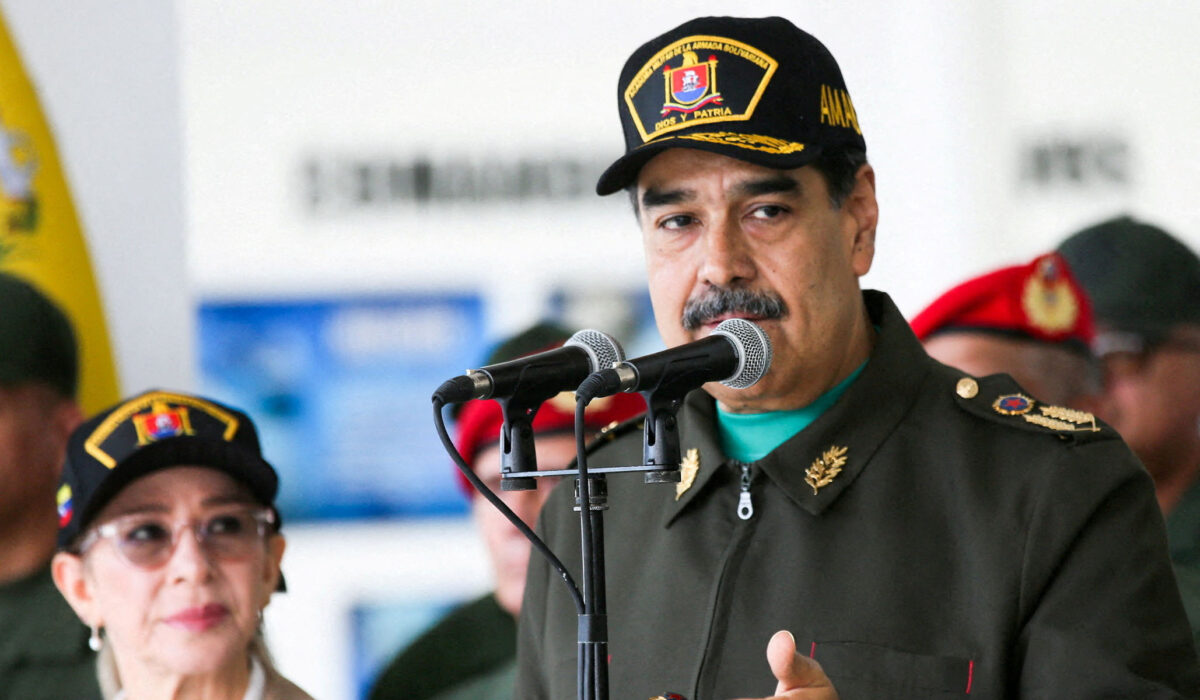
Under American Law, the Ex-Dictator Has No Leg to Stand On
As a matter of American law, the ex-dictator hasn’t a leg to stand on.
The legal framework for holding former authoritarian leaders accountable is straightforward and practical. U.S. statutes on money laundering, corruption, human rights abuses, and sanctions give prosecutors tools to pursue assets and impose penalties. Courts and regulators have used these laws to follow the money and disrupt kleptocratic networks.
Sanctions are not symbolism when enforced properly; they bite into the financial lifelines autocrats rely on. Freezing assets and blocking access to U.S. markets isolates the individuals who bankrolled repression. The point is to make it harder for them to hide wealth and to force cooperation from intermediaries who prefer legal business over criminal exposure.
Extradition and mutual legal assistance treaties let the United States coordinate with partners to secure testimony and seize evidence. When foreign jurisdictions cooperate, investigations gain the documents that prove deception and theft. That cooperation often hinges on showing clear violations of statute and treaty obligations.
Civil lawsuits are another weapon and they work on different timelines than criminal prosecutions. Victims and private parties can pursue claims to recover stolen property and damages, and the discovery process can uncover hidden networks. Judges have repeatedly authorized seizure and forfeiture where the paper trail points to corruption.
There is no practical immunity for private actors who ordered or benefited from repression once they leave office. Diplomatic immunity has limits and does not shield criminal conduct committed before or after official duties. U.S. courts have authority over conduct that intersects American banks, companies, or territory.
Enforcement is political, yes, but that does not mean it is arbitrary. Republicans who favor a firm stance on global bad actors argue for targeted, evidence-based actions that protect American interests. The goal is consistent: to hold corrupt figures accountable while preserving rule of law and protecting commerce from dirty money.
Public pressure and congressional oversight matter too, because they set priorities and provide resources. Committees can subpoena documents, compel testimony, and fund task forces focused on kleptocracy. Strong oversight ensures investigations are thorough and resistant to political swings.
There are practical hurdles, including evasive tactics like shell companies, nominee owners, and convoluted real estate purchases. Still, advances in forensic accounting and international cooperation have closed many of those gaps. Prosecutors increasingly follow digital breadcrumbs and financial records to reconstruct illicit schemes.
Transparency measures at home help as well by tightening reporting requirements and beneficial ownership rules. When banks must know who really owns an account, it becomes harder to launder proceeds of corruption. That prevents the U.S. financial system from being a safe harbor for the proceeds of repression.
Ultimately, law and policy combine: criminal statutes, civil remedies, sanctions, and diplomatic tools form a layered response. Republican arguments favor using those layers aggressively to protect national security and blunt the influence of regimes that abuse their people. The legal reality is clear: once the facts are in, the ex-dictator faces a legal landscape stacked against impunity.