

March for Life Is About the Cause, Not the Candidates
The March for Life draws Americans who care about defending unborn life, not followers of a particular politician. The March for Life has very little to do with JD Vance or Donald Trump. Its purpose is moral and civic, rooted in a long history of citizens making their case for law and conscience.
The event predates recent headlines and continues because the issue matters beyond any election cycle. Hundreds of thousands show up year after year to press for legal protection and cultural change. That continuity is what makes the march a durable force in public life.
Grassroots energy powers the movement more than celebrity endorsements do. Local leaders, students, clergy, and families bring signs, prayers, and personal stories to the steps and streets. Those individual commitments shape the message more than any speech from a podium.
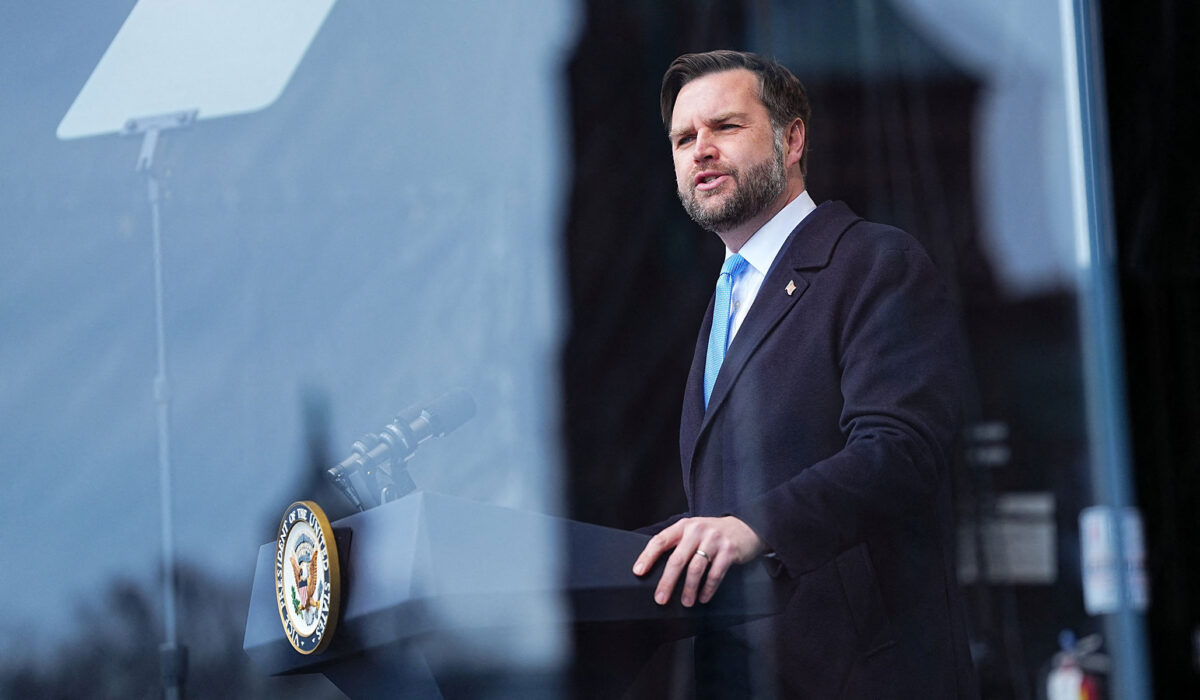
It’s fair to note that candidates like JD Vance or Donald Trump will sometimes appear alongside the crowd or speak to it. Their presence can spotlight policy promises and judicial priorities that matter to conservatives. But the movement is not a campaign event and should not be reduced to one.
From a Republican perspective, political figures ought to respect the independence of the pro-life movement. The goal is to convert moral conviction into durable legal protections through judges, legislation, and elected officials who keep their promises. Voters and activists are right to demand substance over symbolism.
Media coverage often zeroes in on personalities because that sells headlines, not because it reflects what drives the march. The sound bites and optics distract from strategy, like confirming judges and shaping state laws. That distraction can hurt long-term progress if it replaces organizing and policy work.
Policy outcomes matter more than parade appearances, and Republicans worry about credibility when advocates trade long-term goals for short-term political favors. The core tasks include passing legislation, defending pro-life judges, and supporting pregnancy resources so parents have real options. Those are the levers that change lives and law.
At the same time, the movement must guard against being used as a prop in intra-party fights or media spectacles. Authentic leaders will meet the movement’s demands with concrete plans, not just applause lines. Accountability keeps promises meaningful and builds trust with voters.
The March for Life also creates a platform for storytelling that shapes public opinion over years, not just through a single viral moment. Personal witness, pastoral care, and community support move hearts and minds in ways polling cannot fully capture. Those slow cultural shifts are the backbone of any political victory.
Partisanship can be useful when it channels energy toward electing officials who will act, but it becomes corrosive when it turns a moral movement into a factional prop. Conservatives should champion effective strategies like legal reforms and institution-building that outlast any one administration. That focus protects the movement from being defined by transient personalities.
The march keeps raising the same hard question to the country: will law reflect the dignity of the unborn? Organizers and participants know the work involves courts, legislatures, and everyday persuasion. The movement’s strength is its persistence and its refusal to let one campaign cycle settle a moral debate that deserves sustained public attention.