

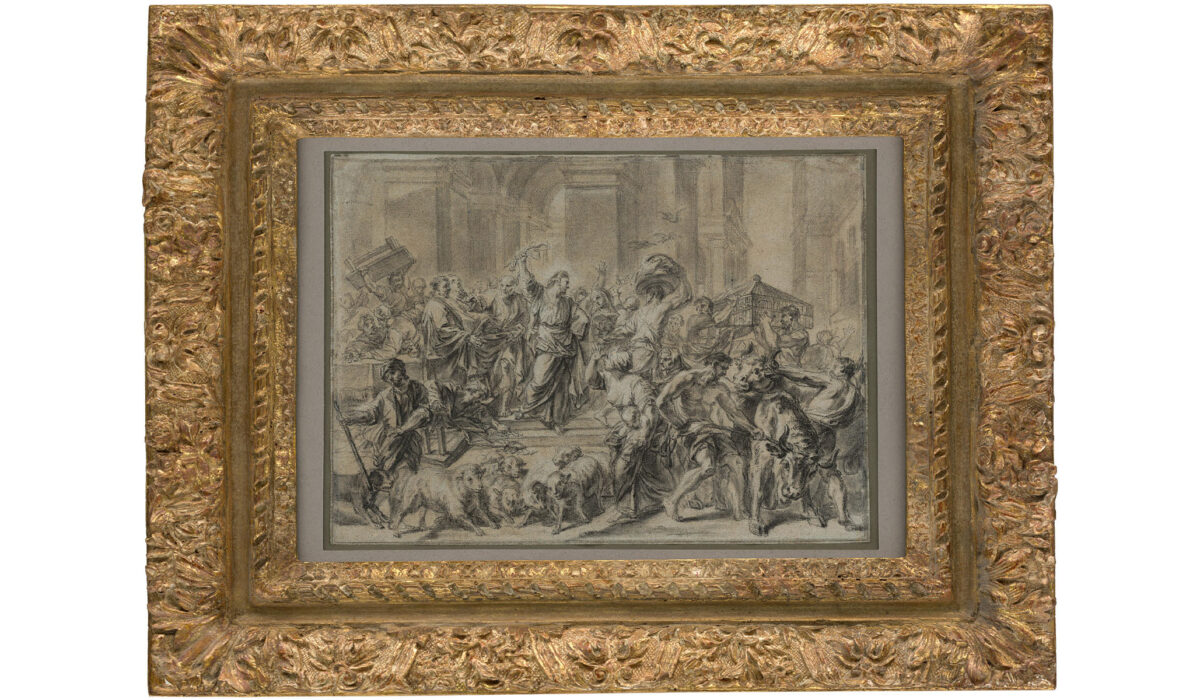
Drawing Alive: The Historic Art Fair at 20
The fair, now in its 20th year, feels like a concentrated lesson in why drawing matters. It stages direct encounters with line and surface that you rarely get from a screen. That sustained, up-close attention is what makes this edition stand out.
Across booths and galleries the program connects Old Masters with contemporary practitioners in ways that clarify continuity and change. You see preparatory studies by 17th-century painters placed near bold, experimental works by living artists. The conversation between eras is immediate and often surprising.
What people call the zest and heft of drawing shows up in plain material terms: paper grain, graphite density, ink saturation. Those tactile qualities create visual weight and emotional punch that photographs flatten. When you stand close, the marks read as decisions rather than reproductions.
Drawings are often working documents, not finished stage props, and that transparency is instructive. Sketches reveal process, uncertainty, and problem-solving, and the fair lets viewers trace those creative choices. For students and seasoned collectors alike, that access changes how you read a finished painting or sculpture.
Dealers at the fair intentionally curate pairings that teach: a Renaissance study beside a contemporary charcoal piece, a 19th-century academic sketch next to a street artist’s rapid ink. Those juxtapositions highlight technique, intent, and scale. They also open up conversations about value and taste across generations.
Public programming leans into the educational impulse with talks, panels, and conservation demonstrations. Conservators show how paper ages and how inks shift over centuries, which reframes what “original” actually looks like. Curators explain why certain marks mattered then and what similar marks mean now.
Live drawing sessions and artist demonstrations make the fair feel more like a studio than a marketplace. Watching someone compose a figure or map a landscape on paper teaches pace and restraint in real time. The energy of making, seen up close, is a corrective to passive viewing.
For emerging artists, the fair is a practical masterclass in material choices and visual economy. They get to compare approaches to line, negative space, and gesture across a broad historical sweep. That kind of comparative learning is rare and quietly radical.
The market has noticed too: works on paper are attracting collectors who appreciate intimacy and immediacy. Drawings can be affordable entry points for new buyers while still carrying scholarly heft. Their market visibility is growing as institutions and private collections rethink collecting strategies.
Walking the aisles, you register scale and intimacy in one breath: monumental charcoal wall drawings next to pocket-sized silverpoint studies. That range recalibrates expectations about what a drawing can be and do. The sensory contrasts—soft dust, sharp edges, the ghost of erased lines—stick with you.
There’s no single takeaway, only a series of encounters that reward attention. The fair’s twenty years of evolution have deepened its role as a place to look, learn, and be surprised by marks on paper. Keep an eye on the gestures, not the labels, and the drawings will do the teaching.