

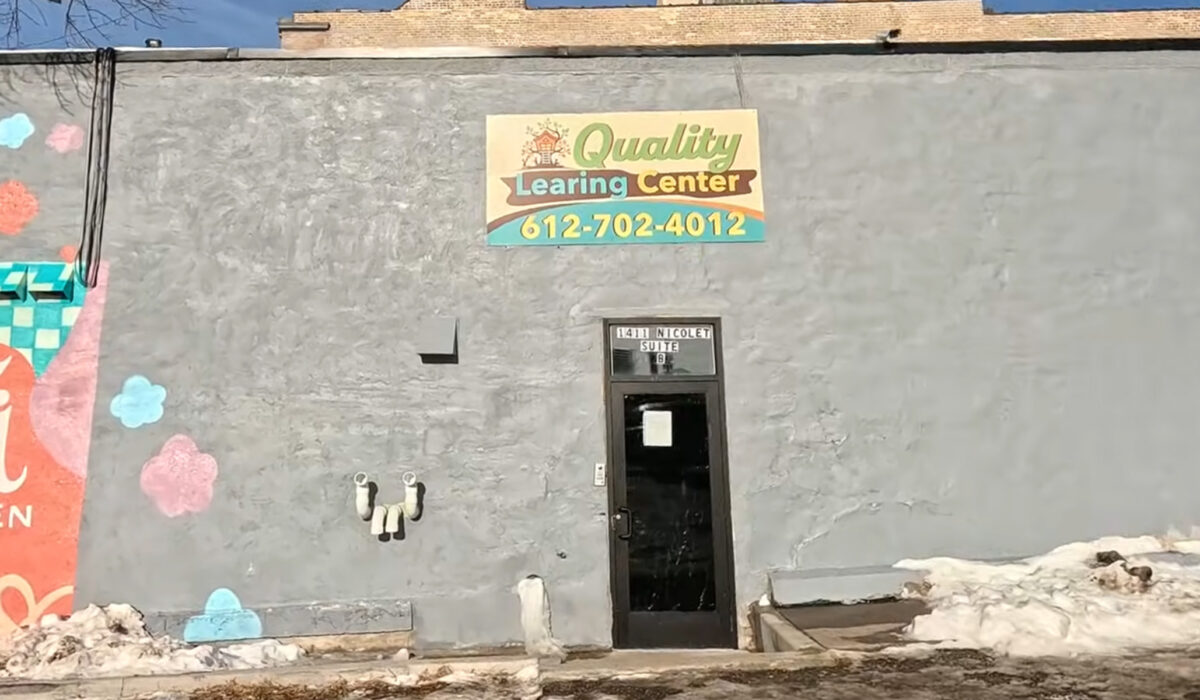
Nick Shirley Video and the Priority of Accountability
Nick Shirley’s viral video is useful, but the focus should be on nailing as many of the malefactors as possible. Viral clips can expose wrongdoing fast and force attention into the public sphere. That spotlight is only valuable if it leads to investigations that actually hold people to account.
Video often acts as a starting point rather than a conclusion, supplying angles, timestamps, and moments for investigators to follow. Raw footage can help identify patterns, link individuals to locations, and corroborate witness statements. Still, footage by itself needs context, verification, and a clear chain of custody to be courtroom-ready.
Priority one is ensuring that responsible authorities take over evidence gathering and case building. Police and prosecutors must be given the best possible materials and leads, and they should move deliberately to identify suspects, secure warrants, and pursue charges. Public pressure can speed action, but only methodical legal work secures convictions.
Maintaining evidentiary integrity matters more than broadcasting every new clip. That means documenting who handled the media, where it was stored, and any edits or transfers that occurred. When investigators can show a clean trail from capture to court, juries and judges are far more likely to rely on the material.
Protecting victims and witnesses is an essential parallel task while investigations proceed. Victims need prompt medical and emotional care, secure housing if necessary, and legal guidance about next steps. Shielding witnesses from retaliation is part of keeping cases viable and encouraging others to come forward.
Accountability also requires reviewing the systems that allowed the misconduct to happen in the first place. Licensing practices, inspection routines, staffing ratios, and reporting channels should be examined for weaknesses. Where gaps are found, swift policy fixes and responsible management changes reduce the chance of repeat offenses.
Communities must avoid trading careful justice for instant revenge on social platforms. Vigilantism can interfere with investigations and unfairly ruin lives if allegations are unproven. Encourage reporting to proper authorities, preserve original files, and let trained professionals pursue the legal route.
Practical steps for anyone who finds relevant footage are clear: preserve the original file, note the time and location, identify potential witnesses, and deliver materials to law enforcement promptly. Public awareness helps, but the end goal is conviction of the guilty and protection of the vulnerable. When attention turns into thorough work, video stops being just a viral moment and becomes evidence that changes outcomes.