

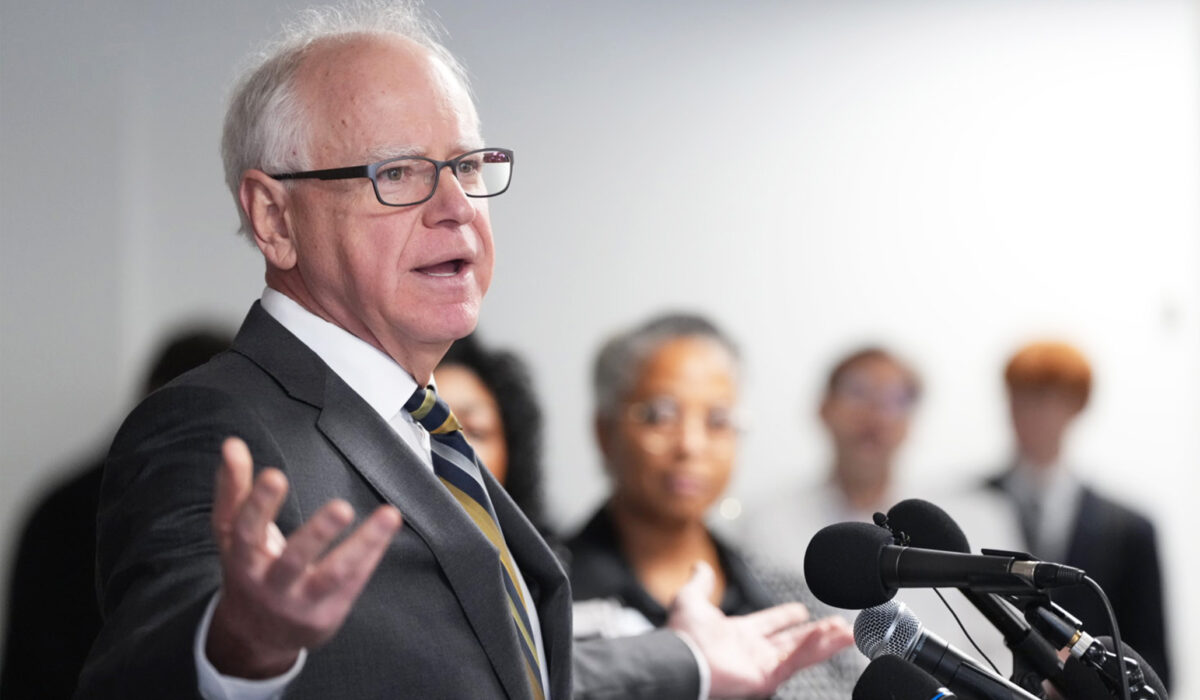
Minnesota Governor Under Fire
Minnesota is watching a politician make risky choices that deserve plain talk and clear scrutiny. From public safety to business policy, voters want results not rhetoric, and that pressure lands squarely on the governor. This piece looks at how those choices are playing out in practical terms.
“Whether he knows it or not, the Minnesota governor is playing with fire.”
First, public safety is the number one issue most voters bring up in casual conversations. When people feel unsafe on the street or see law enforcement hamstrung by policy, confidence in leadership erodes fast. A governor who leans toward leniency on crime risks turning everyday frustration into political backlash.
Second, the business climate matters because jobs and paychecks are on the line. High regulatory burdens and uncertain tax signals push small businesses to pause hiring or look elsewhere. A state that loses entrepreneurs and talent will eventually pay the price at the grocery store and the gas pump.
Third, pandemic-era mandates and heavy-handed public health moves left scars in communities and workplaces. Many Minnesotans accepted tough choices during crisis, but ongoing reliance on top-down mandates fuels resentment. Leaders who forget the toll of that period underestimate the desire for normalcy and respect for individual judgment.
Fourth, energy and affordability are immediate concerns for families trying to make ends meet. Policies that favor expensive transitions without clear timelines raise heating and transportation costs for ordinary people. Voters want reliable energy and sensible timelines, not experiments that send bills higher this winter.
Fifth, education decisions are shaping family choices and future workforce skills. Parents want schools that prioritize basic learning, safety, and accountability over ideological experiments. When governance drifts from those priorities, frustration grows and alternatives gain traction.
Sixth, messaging matters as much as policy. Voters can forgive mistakes when leaders own them and adjust, but they lose patience with excuses and finger pointing. A governor who dismisses voters’ worries or blames others for predictable outcomes weakens his standing faster than policy shifts alone.
Seventh, political consequences are real and immediate. Midterms and local races respond to how people feel at their front doors, not just headlines in the city paper. If trends continue, allies and independents may look for leadership that prioritizes safety, affordability, and accountability.
Finally, responsible governance requires listening and course correction. The stakes in Minnesota are practical: safe streets, steady jobs, affordable energy, and schools that teach. The next chapter will be written by outcomes, not slogans, and that reality should guide choices today.