

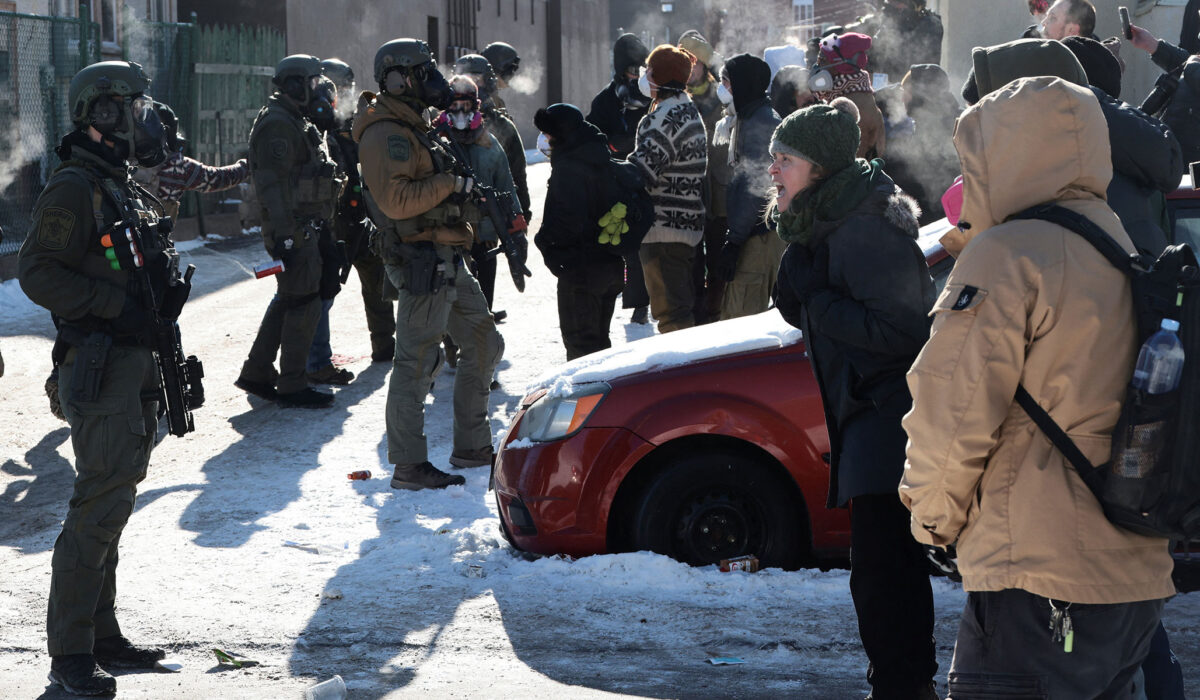
A Credible Probe After the Immigration-Enforcement Shooting
A recent shooting tied to immigration enforcement has put law enforcement practices and public safety under the microscope, and communities are demanding clarity. Officials must respond in a way that protects the rule of law while honoring the trauma experienced by families and neighbors. Emotions are high, but the next steps need to follow a clear, principled process.
The latest immigration-enforcement-related shooting deserves a credible investigation.
From a Republican perspective, backing the men and women who enforce our laws does not mean shielding mistakes or avoiding scrutiny when serious outcomes occur. We believe in accountability for wrongdoing and respect for service when actions are lawful. Those two commitments are not in conflict; they are the core of responsible governance.
A credible investigation has to be independent and transparent enough to earn public trust, with investigators who are seen as neutral and competent. That means preserving evidence, interviewing witnesses promptly, and documenting procedures so the public can follow what was done and why. Transparency does not require divulging every tactical detail, but it does demand a timeline and an explanation of key findings.
Politicized narratives and social media pressure should not steer the process, because rush-to-judgment outcomes undermine both justice and safety. Investigators should resist headlines and stick to methodical forensic work, careful witness interviews, and unbroken chains of custody for evidence. Those steps are not dramatic, but they are necessary if the result is to hold up in court or withstand public scrutiny.
At the same time, agents working at the border and in enforcement roles deserve reasonable protection from retroactive criminalization for split-second choices made in dangerous situations. That protection is not blanket immunity, and it is not an excuse for misconduct, but a fair system recognizes context, training, and threat assessment. Legal processes must sort error from criminality and ensure any charges follow from facts, not slogans.
This incident also raises policy questions we should address without theatrics: whether training standards are adequate, whether use-of-force rules are clear and consistently applied, and whether interagency coordination can be improved to reduce friction. Practical fixes can lower the chances of future tragedies while preserving officers’ ability to protect the public. Fixes should focus on prevention and clarity, not political scoring.
Media outlets and elected leaders have a duty to report and legislate without turning investigatory steps into political theater that erodes trust on both sides. Responsible reporting means separating verified facts from speculation and giving investigators space to do their work while holding them to professional standards. Lawmakers should resist posturing that makes impartial fact-finding harder.
What happens next will matter for public confidence, for the safety of enforcement personnel, and for the rule of law at the border and beyond; the institutions involved are being tested and must demonstrate they can deliver fair, evidence-based outcomes. An investigation that follows due process and communicates honestly will be the best way to protect victims, to protect competent officers, and to identify real lessons for policy and training. The nation deserves that kind of rigor and nothing less.