

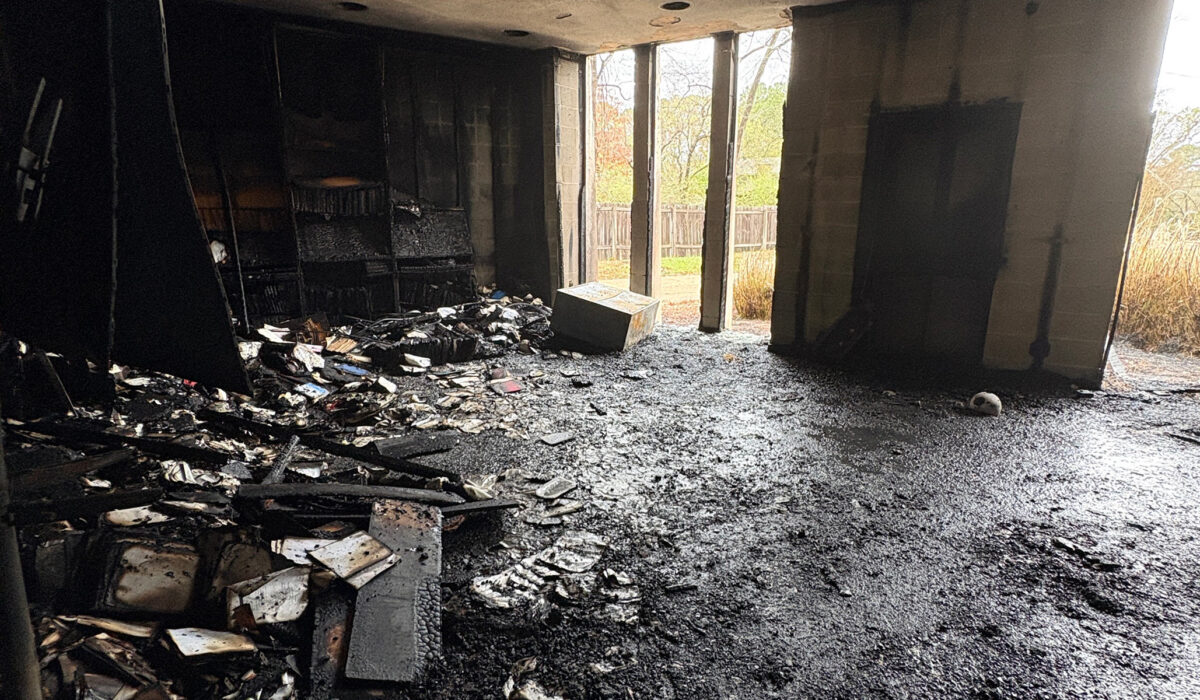
Mississippi synagogue arson and the growing challenge of stopping hate
An arson attack on a Mississippi synagogue exposed how hard it has become to halt acts of hate before they happen. The scene of burned wood and broken trust makes clear that prevention and response are both complicated and urgent. Small congregations often face the sharp end of that difficulty.
Investigations into religiously motivated crimes lean heavily on forensics, witnesses, and timely evidence, and any gap can stall accountability. Arson is inherently destructive to traces investigators rely on, and when surveillance footage or reliable eyewitness accounts are thin, the trail cools fast. That reality raises the bar for proving motive and linking suspects to the crime.
Labeling an incident as a hate crime introduces additional legal questions that vary by jurisdiction and evidentiary standards. Prosecutors must balance community pressure, civil rights considerations, and the practical limits of what evidence the fire has left behind. Those constraints can make charges and convictions rarer than the pain of the incident deserves.
Local houses of worship are often tight-knit and underfunded when it comes to security, so an attack reverberates through social networks as well as physical spaces. Congregations must juggle openness with safety, a tension that gets sharper after an arson event. Donations, volunteer shifts, and informal patrols can only do so much against a deliberate, concealed attack.
Online rhetoric and polarized chatter can feed the kindling that leads to real-world violence, yet policing that flow is a tricky balance of civil liberties and public safety. Investigators and platform teams are still figuring out where criminal planning ends and protected speech begins. That grey area makes early intervention harder and sometimes lets dangerous intent slide through until it’s too late.
Prevention depends on a mix of training, community reporting, and practical security upgrades, but resources are unevenly spread. Investing in cameras, lighting, and relationship-building with local law enforcement reduces risk, but such measures require sustained funding and expertise many congregations lack. The gap between what’s needed and what’s available widens the vulnerability.
Support for survivors and congregants is another crucial layer that goes beyond arrests and repairs. Counseling, interfaith solidarity, and transparent communication help communities process trauma and preserve trust. Those human steps matter for recovery even when criminal justice moves slowly.
When investigators work an arson case, preserving chain of custody and documenting char patterns can make or break later prosecution. Modern techniques like chemical analysis of accelerants and high-resolution video can help, but they must be paired with quick reporting and careful scene management. Delays or contamination of evidence often mean losing the moment where a case could be airtight.
Understanding why a particular religious site was targeted requires looking at local tensions, national currents, and individual motives, all at once. That complexity is why single solutions rarely suffice and why communities, law enforcement, and policy planners need to coordinate across many fronts. The physical damage is only one part of the aftermath; the legal, social, and emotional work lasts much longer.
Comments 1
Author
Hi would you mind letting me know which hosting company you’re working with? I’ve loaded your blog in 3 completely different internet browsers and I must say this blog loads a lot quicker then most. Can you recommend a good hosting provider at a honest price? Many thanks, I appreciate it!