

Sagrada Familia: Barcelona’s Cathedral as a Mirror of Europe
Barcelona’s nearly complete Sagrada Familia cathedral feels like a shorthand for the continent itself, packed with layers, contradictions and bold imagination. You can read it as faith, art, civic pride and tourist spectacle all stacked into stone. It’s hard to ignore how a single building holds so many stories at once.
The architecture is a mashup that refuses to sit quietly in one box. Antoni Gaudí leaned on Gothic structure but twisted it with organic curves, and later generations added their own interpretations. That stylistic conversation across time echoes Europe’s habit of reworking its past rather than erasing it.
Walk up to any facade and you meet a different mood, different language carved in relief and stone. Sculptures crowd the portals with biblical scenes, angels, workers and a kind of theatrical chaos. The result is a visual encyclopedia that rewards slow, repeated visits.
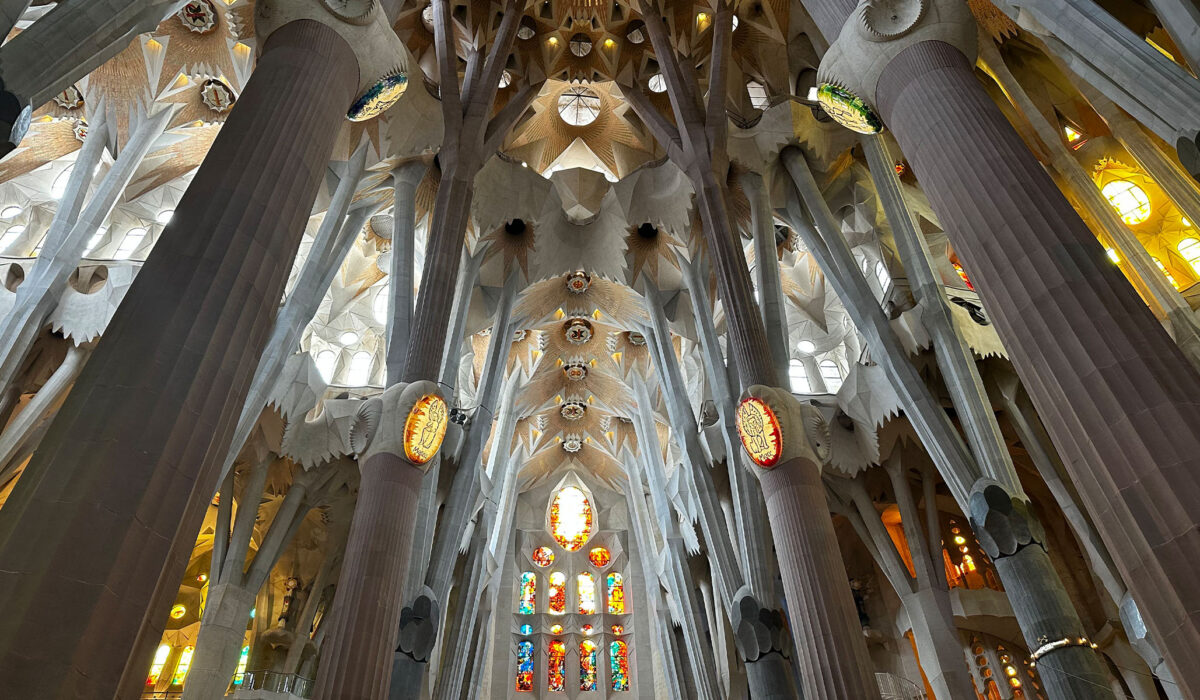
Light is treated like a main character inside the basilica, not an afterthought. Narrow shafts and stained glass filter color into columns and vaults, turning daylight into a moving display. That choreography makes the interior feel alive, always in motion as the sun tracks across the sky.
Construction itself has been part of the story; the building has grown with technology and with changing hands. What started under Gaudí continues today with laser-guided tools and modern materials, a blend of handcraft and precision. The work-in-progress nature is oddly fitting: a continent often described as an ongoing experiment in identity and compromise.
There’s also a political edge, even if unstated: the cathedral sits inside civic debates about heritage, public space and who gets to decide a city’s future. Architects, clergy, tourists and locals all bring rival priorities to the table. That tension keeps the conversation around the Sagrada Familia alive and occasionally loud.
What people remember most, though, is how it looks from the outside—needles, towers and a silhouette that refuses to be polite. It looms over its neighborhood, a constant landmark that anchors Barcelona’s skyline. For many visitors, that visual impact is the point of arrival and the start of a longer curiosity.
Scale matters here: massive columns mimic trees, and interiors open like a stone forest. That metaphorical nod to nature was central to Gaudí’s thinking, and it gives the space a human touch despite its size. The technical challenge of making stone feel organic is part of what keeps architects studying the site today.
Despite controversy and critique, the Sagrada Familia pulls in a wide public imagination, from religious pilgrims to architecture buffs and casual sightseers. It’s rare for a single building to generate that kind of cross-section interest without feeling staged. The mix of sincerity and spectacle is part of its charm and irritation in equal measure.
There’s a practical side too: ongoing construction means evolving access, new viewpoints and fresh conversations about conservation. Each decade leaves new marks, new plaques and new critics who insist the work should stop or speed up. That ongoing debate keeps the Sagrada Familia not just a monument, but an active part of the city’s cultural life.
Look at it long enough and you realize the cathedral asks questions rather than handing down answers. Its crowded facades, ambitious geometry and continuing build combine to make a place that reflects Europe’s layered history and restless creativity. It’s a monument you return to because it keeps changing while holding tight to a stubborn idea of beauty.