

Sex Through the Ages: A Collection of Power, Pleasure and Objects
This collection traces sex through the ages, showing how desire and authority have been tightly linked for centuries. It highlights delights that were celebrated and censored, and it does not shy away from the material culture that accompanied those moments. Expect artifacts, art, and yes, plenty of paraphernalia on display.
Objects range from small personal items to bold public statements, each carrying a story about who held power and how intimacy was practiced. Labels and context place these pieces in moments of law, religion, commerce, and private life. The arrangement emphasizes continuity and change rather than treating eras as isolated curiosities.
Power runs through many of the exhibits, visible in objects that regulated bodies and behavior as much as objects that expressed desire. Legal records and domestic tools sit beside artworks that celebrated eroticism, offering a layered view of control and resistance. Those juxtapositions help explain why attitudes toward sex have always been political as well as personal.
Pleasure appears in different guises: playful, sacred, humiliating, tender, and transactional. Visual arts, poetry excerpts, and household items all point to how cultures found ways to mark intimacy. The exhibition makes clear that the pursuit of pleasure was often as inventive as the systems meant to restrict it.
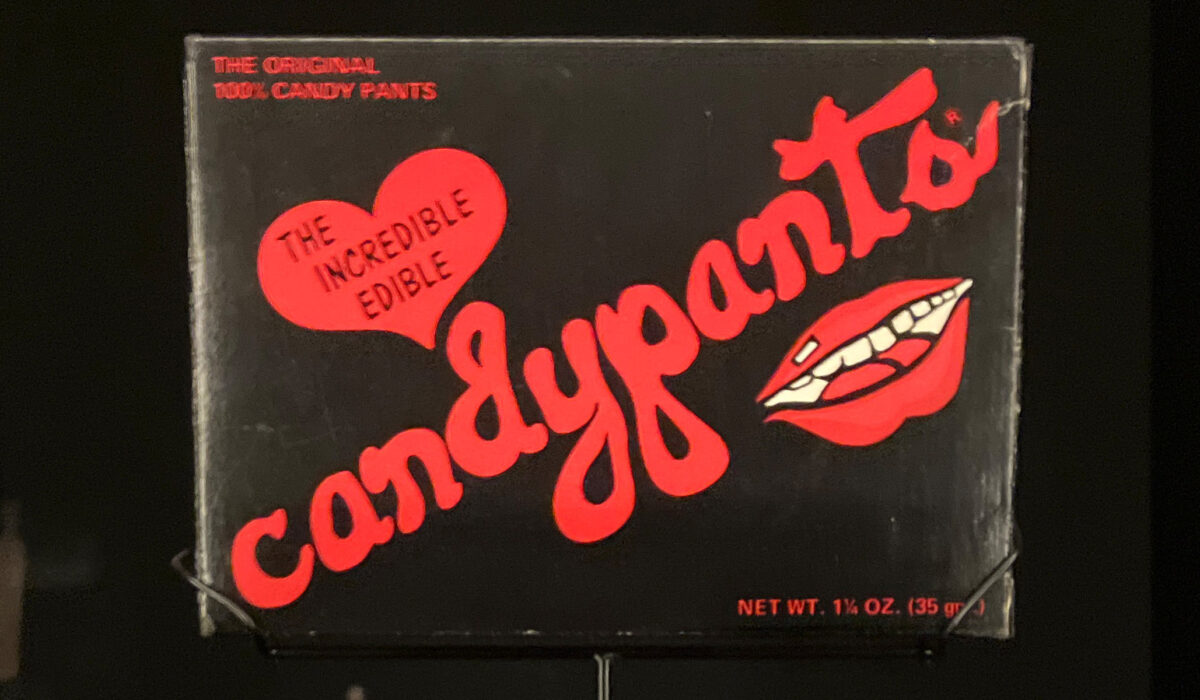
The paraphernalia is more than titillation; it’s evidence. Contraceptive devices, adornments, published erotica, and everyday objects adapted for private use reveal practical responses to desire. Seeing these items together underscores how people across time solved similar problems with wildly different tools.
Curatorial choices favor explanation over sensationalism, offering historical background that keeps the conversation anchored in facts. Wall texts and catalog entries draw from scholarship to explain provenance and function without moralizing. That approach lets visitors form their own reactions while still learning the context behind each piece.
Reactions vary widely once people move through the rooms, from bemusement to surprise to quiet reflection. Younger visitors often connect modern practices to unexpected antecedents, and older visitors tend to spot long arcs of continuity. Those conversations outside the gallery are part of the exhibit’s impact.
Design and lighting steer the tone: some cases are intimate and dim, while others are bright and clinical, emphasizing the object rather than the drama around it. Multimedia elements add voices from the past and present, including letters, diary excerpts, and interpretive interviews. These additions turn static displays into a dialogue across time.
The collection refuses easy answers and prefers complication, showing how sex has been creative, coercive, joyous, and constrained all at once. Its artifacts ask practical questions about how people lived and loved, and its stories point toward broader cultural patterns. Ultimately, the exhibit makes one thing obvious: human sexuality is messy, inventive, and always historically embedded.