

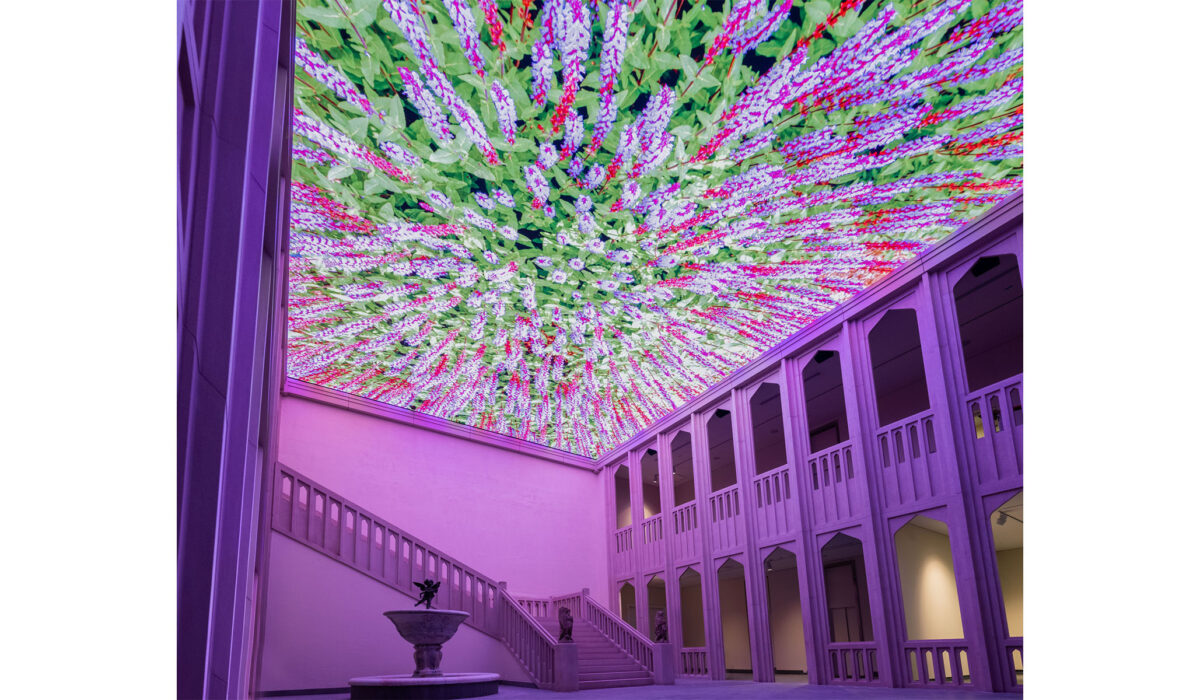
A Day at Newfields: Flower Sculptures, Rembrandt, and Van Gogh
Newfields blends cultivated gardens and museum galleries in a way that feels intentional but effortless, and my visit left that exact impression. I went for the flower sculptures and stayed for the galleries, where a Rembrandt or a Van Gogh can appear around a turn like an old friend. That mix of surprise and familiarity is the visit’s strongest draw.
The campus unfolds as a series of connected places: sheltered indoor galleries, bright glass-walled rooms, planted beds, and sculpted lawns. Paths move visitors through micro-experiences, where a single bloom can command attention like a painting. The layout encourages wandering without ever feeling aimless.
Flower sculptures are the first thing many people notice, and for good reason; they reframe what “garden art” can be. Large-scale floral pieces use texture and color to make bold statements rather than just decorative accents. Seeing living materials shaped into architectural or whimsical forms brings an immediate joy that’s hard to manufacture anywhere else.
Inside the museum, the presence of works by Rembrandt and Van Gogh gives the place a quiet gravity. These are the moments when centuries of human craft and observation sit side by side with contemporary experiments in materials and form. The contrast sharpens your attention to technique, whether it’s a brushstroke that captures light or a petal arranged to catch a breeze.
One of the most striking things is how the gardens and galleries talk to each other without a script. Colors and compositions from the outdoor displays echo in framed canvases, and vice versa, so you notice details in one place because of something you saw in another. That cross-pollination between horticulture and fine art makes both experiences richer.
Moving through Newfields feels like pacing a gallery with seasons layered on top of every room. You can shift from quiet, contemplative spaces to lively, conversation-filled courtyards in a matter of minutes. That variety keeps the visit fresh and prevents any single section from overstaying its welcome.
The staff and signage lean toward being helpful rather than didactic, which suits the tone of the campus. Educational programs and family-friendly activities are woven into the schedule, offering context without drowning the visit in facts. For people who like to learn as they go, those elements are easy to pick up and integrate into the experience.
Sensory details matter here: the filtered light through a greenhouse roof, the smell of damp soil after a rain, the hush inside a gallery that carries the hum of HVAC like a distant sea. Those small things often shape how you remember a place more than the marquee works do. Newfields builds its impressions out of these tiny, consistent moments.
Curation at Newfields balances reverence for historical masterpieces with a willingness to experiment, which keeps the program dynamic. Contemporary installations and site-specific commissions sit comfortably near more familiar works, creating visual conversations across time. That editorial choice makes the museum feel alive rather than static.
The campus amenities quietly support the visit without becoming the headline: benches positioned for views, interior nooks for reflection, and practical facilities that make an afternoon manageable. There’s a rhythm to moving through the spaces that rarely feels rushed, and that pacing is part of the appeal. Little conveniences add up to a smoother day.
What lingers after leaving is a collection of small images: a sculpted bouquet catching a shaft of sunlight, the texture of an old master’s paint, a garden path turning into shade. Those fragments stick because the place layers art and nature so deliberately that you keep finding connections after you’ve gone.