

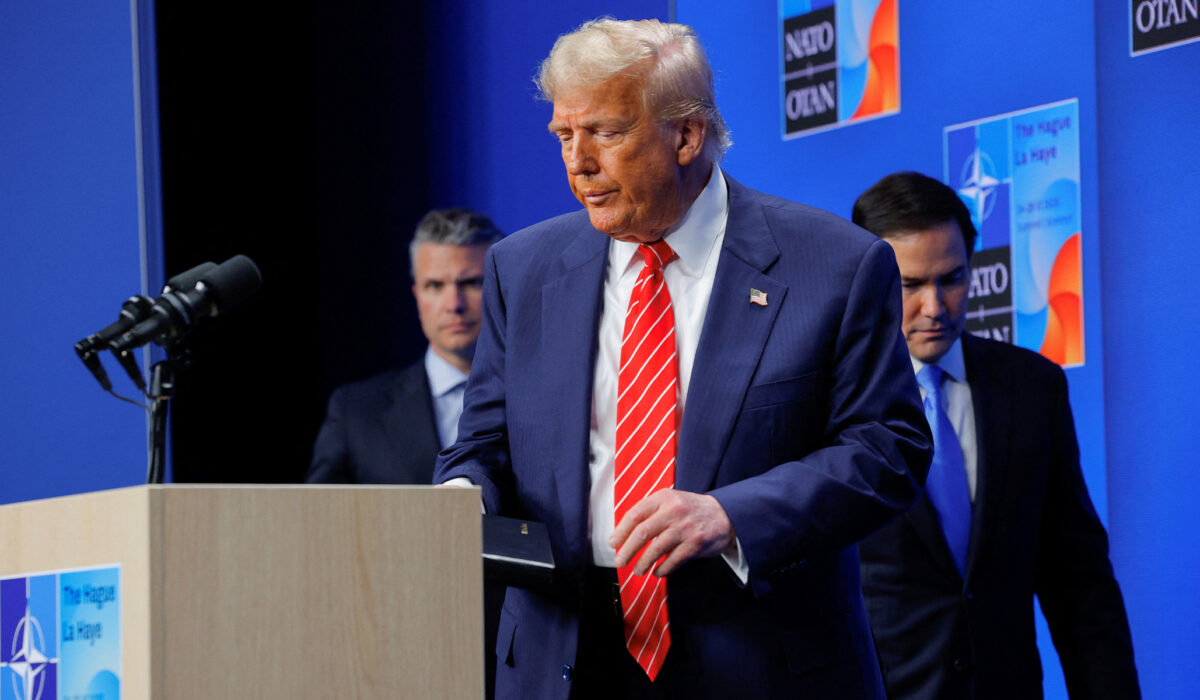
Trump’s Global Posture: A Focused America, Not a Retreat
There’s no evidence Donald Trump is interested in focusing solely on the Western Hemisphere while ceding the rest of the world to China and Russia.
That line gets to the heart of a broader debate about what American leadership looks like in a competitive world. From a Republican perspective the issue is not isolation but sensible prioritization. We want allies carrying their weight while the United States protects its interests.
Trump’s approach has always been transactional and results oriented, not a blank check for global institutions. He argues that when partners contribute more, America can sustain a stronger posture internationally. That posture should be effective, not performative.
On China the message is straightforward: compete hard economically and deter bad behavior strategically. Republicans see the need for a robust industrial policy, tighter export controls, and tough stances on intellectual property theft. Those tools are meant to blunt Beijing’s ambitions without ceding influence to hostile actors.
Russia is treated as a strategic foe where necessary and an object of diplomacy where possible. The goal is to prevent aggression and protect NATO while keeping channels open to avoid miscalculation. Strength through deterrence and clear consequences is the GOP playbook.
Maintaining strong military capabilities is central to that posture. Trump and like-minded Republicans favor rebuilding readiness, streamlining procurement, and ensuring modern deterrence. A credible force makes diplomacy more effective.
Alliances are not discarded, they are reshaped to be fairer and more sustainable. Republican policy stresses shared responsibility with NATO and regional partners in Asia and the Middle East. That means pushing allies to pay more and contribute more operationally.
Economic leverage is part of the toolkit, not a fallback plan. Trade policy under a Trump-style approach uses tariffs and deals to win concessions and secure supply chains. Energy independence becomes a strategic advantage that reduces leverage by rivals.
Diplomacy remains essential but is pursued from a position of strength. Negotiations have more chance of success when backed by clear alternatives and credible deterrence. Republicans prefer practical deals that protect American workers and security.
Sanctions, export controls, and targeted restrictions are preferred over open-ended commitments. Those measures aim to penalize malign actors while avoiding large, open-ended military interventions. The idea is to maximize pressure with minimum drag on American resources.
America’s leadership is also cultural and technological, not just military. Investing in research, education, and digital infrastructure keeps the United States ahead in critical fields. Republican plans emphasize public-private cooperation and incentives for innovation.
Technology security is a priority because it underpins economic and military strength. Controlling key supply chains and protecting critical infrastructure deny rivals easy pathways to advantage. That prevents adversaries from exploiting American dependence.
Public messaging matters and should be clear about ends and means. Republicans argue that voters respond to leaders who protect the homeland and demand accountability from allies. Clarity builds trust at home and deterrence abroad.
Finally, a smart strategy mixes engagement and firmness rather than surrendering influence. The Republican view is that America can lead without subsidizing free riders and without conceding ground to competitors. That balance is the essence of a sustainable global posture.
In short, the question is not whether to engage but how to engage effectively and on American terms. That means prioritizing resources, demanding fair burden sharing, and using every tool from diplomacy to deterrence. The objective is clear: defend U.S. interests and preserve global stability without unnecessary sacrifice.