

Passover: Gratitude for Friends Who Sit at Our Table
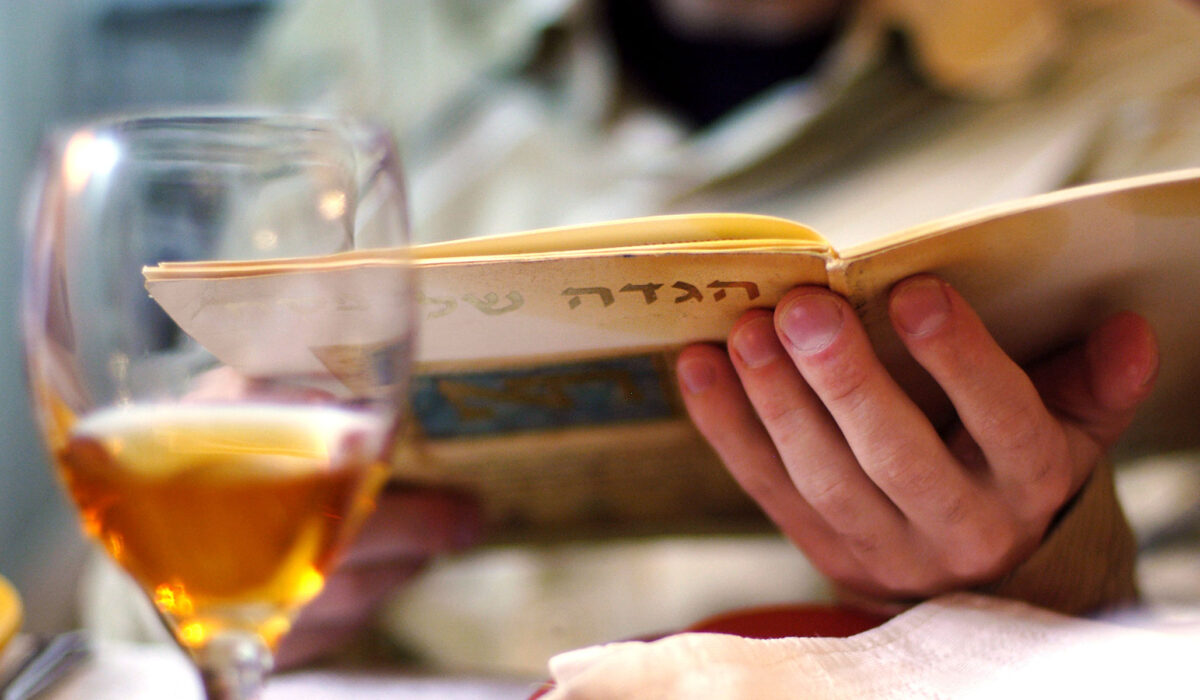
This Passover, I’m grateful for the non-Jews who show their support by joining with us. Their presence at the seder lights up the room and makes the story feel both personal and shared. Sitting together, we remember escape, resilience, and what it means to be free.
Having neighbors, coworkers, and friends come to the seder is more than polite company. It’s an act of solidarity with a people and a history that still matters today. Their curiosity and respect create an environment where questions are welcome and learning is mutual.
When non-Jewish guests arrive, they bring fresh perspectives and honest questions that sharpen our own understanding. The seder becomes a two-way conversation rather than a lecture, and the ritual takes on new depth. That exchange is exactly why inviting others matters.
Hosts also gain from having outsiders at the table; we practice explaining symbols, translating prayers, and making the narrative accessible. That work clarifies what we mean by freedom, responsibility, and gratitude. It forces us to reconnect with the reasons behind our routines.
For many guests, the seder is their first real encounter with Jewish ritual, and it can be surprisingly emotional. The songs, the story of leaving bondage, and the symbolism of broken matzah can strike a chord across faith lines. Those moments often leave a lasting impression on everyone present.
Still, inclusion does not mean erasing boundaries or watering down tradition. Respect for the ritual’s core elements keeps the evening authentic while inviting participation that feels sincere. Clear invitations and simple explanations help guests engage without confusion.
Sharing food is central to this hospitality, and the seder’s menu becomes a bridge. When someone tastes charoset for the first time or learns why bitter herbs matter, cultural understanding grows one bite at a time. Meals are where theory becomes lived experience.
There is political value in fellowship too; relationships built around shared meals and honest conversation counteract division. These interpersonal bonds make it harder for prejudice to take root and easier for neighbors to act with empathy. That kind of community resilience starts small and shows up again when it matters most.
Generosity from guests also goes both ways: their questions encourage hosts to tell stories that otherwise might stay inside the family. Those retellings preserve memory and broaden relevance. Over time, the seder table becomes a community classroom where history and hope are passed along.
Finally, welcoming non-Jews to the seder celebrates the universal themes at the heart of Passover: escape from injustice, the duty to remember, and the work freedom requires. When friends of other backgrounds join us, those themes gain new footing in everyday life. It’s a simple act with lasting impact, and for that I am deeply grateful.