

North Korea Needs Strong, Steady U.S. Pressure
No matter who ultimately succeeds Kim Jong-un, North Korea is a threat that demands robust pressure from the U.S. That remains true whether Pyongyang is led by the current regime or a successor. The goal has to be clear: prevent proliferation, defend allies, and stop a nuclear-capable rogue state from dictating regional security.
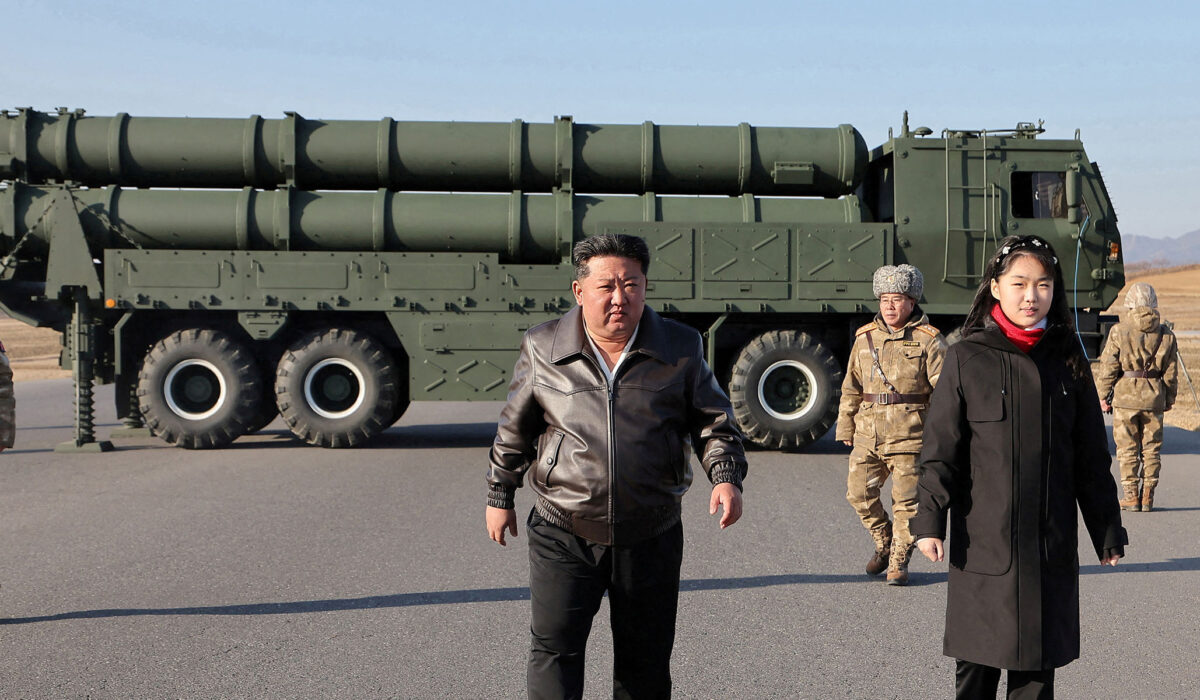
The nuclear and missile programs are the centerpiece of the danger. Pyongyang has tested increasingly capable delivery systems and pursued technologies that undermine strategic stability across the region. That capability forces the United States to respond with strength and resolve, not wishful thinking.
An effective American approach mixes competition and constant pressure. Diplomacy matters, but only when backed by credible military options and unified sanctions enforcement. Negotiations without leverage have historically led to broken promises and more time for North Korea to advance its programs.
Sanctions should be enforced aggressively and updated to close loopholes. That means tracing illicit shipments, going after front companies, and leveraging international financial systems to cut off revenue streams. If sanctions are porous, they are no deterrent at all.
Alliance solidarity is another cornerstone of deterrence. The U.S. must deepen security ties with South Korea and Japan and coordinate military planning for any contingency. Clear, integrated defense postures reassure partners and increase the cost of any aggressive move by Pyongyang.
Missile defense and forward-deployed capabilities should be messaged as defensive and stabilizing. Investments in detection, interception, and joint training are concrete ways to blunt a nuclear or missile attack. Showing capability and readiness reduces the likelihood of miscalculation by adversaries.
Holding China accountable for its role is essential, even as Washington pursues areas of cooperation. Beijing has outsized influence over the regime in Pyongyang and can be pressured to reduce trade that sustains North Korea’s weapons programs. A policy that ignores this leverage leaves a major pressure point unused.
Cyber and conventional threats from Pyongyang also deserve attention. North Korean actors have hit financial institutions and critical infrastructure in recent years, and those threats will grow as capabilities expand. The U.S. should harden its networks and be ready to respond in kind when necessary.
Humanitarian concerns exist alongside security priorities, but aid must not enable weaponization or regime survival at the expense of regional safety. Targeted assistance that goes through vetted international channels helps civilians without boosting the governing elite. This balanced stance separates compassion from strategic reward.
Congressional oversight and defense funding cannot be optional in this fight. Lawmakers should ensure the military and intelligence agencies have the resources they need to deter, detect, and, if required, defeat aggression. Strong funding sends a clear message that the United States is serious about protecting its interests and allies.
Public messaging matters too; voters need to understand the stakes and support a firm policy. Leaders should explain why pressure, not appeasement, offers the best chance to reduce risk and preserve peace. The country must remain united behind a strategy that combines pressure, preparedness, and pragmatic diplomacy.
In short, the United States should maintain an unambiguous posture: prevent North Korea from expanding its nuclear reach, defend partners, and use every tool to constrain the regime’s ability to threaten others. That means sanctions, alliances, military readiness, and targeted diplomacy executed with resolve. Anything less invites greater danger across the Indo-Pacific and beyond.