

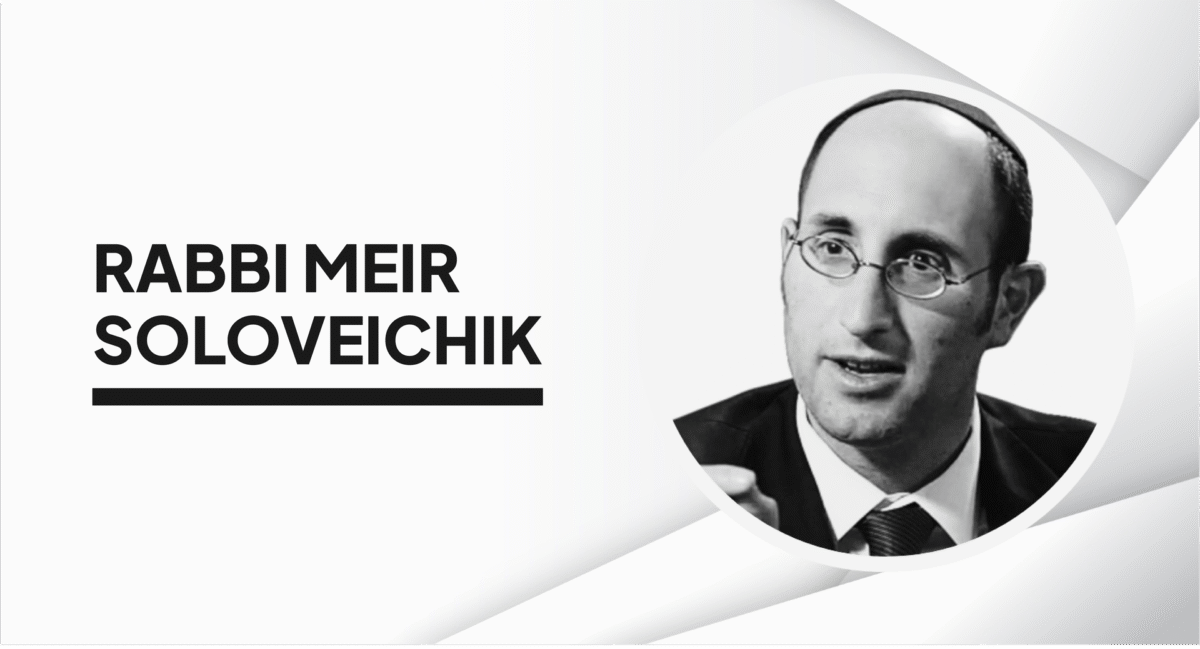
Meir Soloveichik and Rich Lowry on Rising Antisemitism, Tucker Carlson, and America’s Biblical Roots
Meir Soloveichik and Rich Lowry sat down to confront a stubborn reality: antisemitism is not a relic but a growing public menace. They link its rise to cultural shifts, media dynamics, and a weakened sense of shared national identity. That framing sets the stage for a wider conversation about free speech, faith, and civic responsibility.
Across campuses and online, old tropes have found new life, and incidents that once lived on the fringes now make headlines with disturbing regularity. Social platforms amplify rage, and grievance movements normalize hostility toward Jews in ways many Americans find unacceptable. From a conservative view, this trend exposes how badly our cultural institutions are failing to teach basic respect.
Tucker Carlson figures into the debate not as a side character but as an amplifier and provoker of national conversation. Critics paint him as incendiary, while supporters see him as someone willing to question the consensus and air uncomfortable facts. Republicans tend to defend that kind of scrutiny even when it makes the cultural left furious.
The question of America’s roots keeps coming up because it matters to how we respond to hatred. Soloveichik reminds listeners that the moral language America inherited comes largely from the Bible and the Hebrew scriptures. Lowry underscores that recognizing those roots is not about theology alone but about holding a civic culture together.
For conservatives, the biblical foundation supplies a common vocabulary for condemning persecution and defending religious liberty. When public life drifts from that shared moral grammar, it becomes easier for ideologies to fill the gap. That is why reclaiming a common set of civic virtues matters to anyone who opposes antisemitism.
Soloveichik brings a rabbinic and intellectual lens to the problem, tracing how spiritual teachings translate to public norms. Lowry, coming from a political and editorial background, maps how media ecosystems and party politics shape public perception. Together they make the case that fighting anti-Jewish bigotry requires both moral clarity and strategic public engagement.
Where does this antisemitism come from? The answer is mixed: elements on the radical left that equate Jews with power, Islamist extremism that corrodes immigrant communities, and online subcultures that radicalize through anonymity. Each source has different motives, but they converge in the same harmful effect. Confronting multiple vectors means tailoring responses rather than applying a single, one-size-fits-all fix.
Policy prescriptions from a Republican angle emphasize law and civic education over censorship. That means stronger law enforcement against violent threats, clearer protections for places of worship, and renewed emphasis on teaching Western and Judeo-Christian heritage in schools. At the same time, conservatives argue that protecting speech must remain a priority so legitimate debate does not get stifled.
Media responsibility also matters: outlets and commentators should call out lies and double standards regardless of the partisan source. Universities need to restore a culture of open inquiry while rejecting intimidation and harassment in any form. Citizens, meanwhile, should push institutions to defend religious liberty and condemn antisemitism openly and consistently.
This conversation is not just about facts and allegations but about what kind of country America chooses to be. Soloveichik and Lowry are asking us to recognize that moral language, a vigorous public square, and institutional courage are necessary to push back. The challenge is practical: keep institutions honest, teach the next generation rightly, and refuse to let hatred become commonplace.