

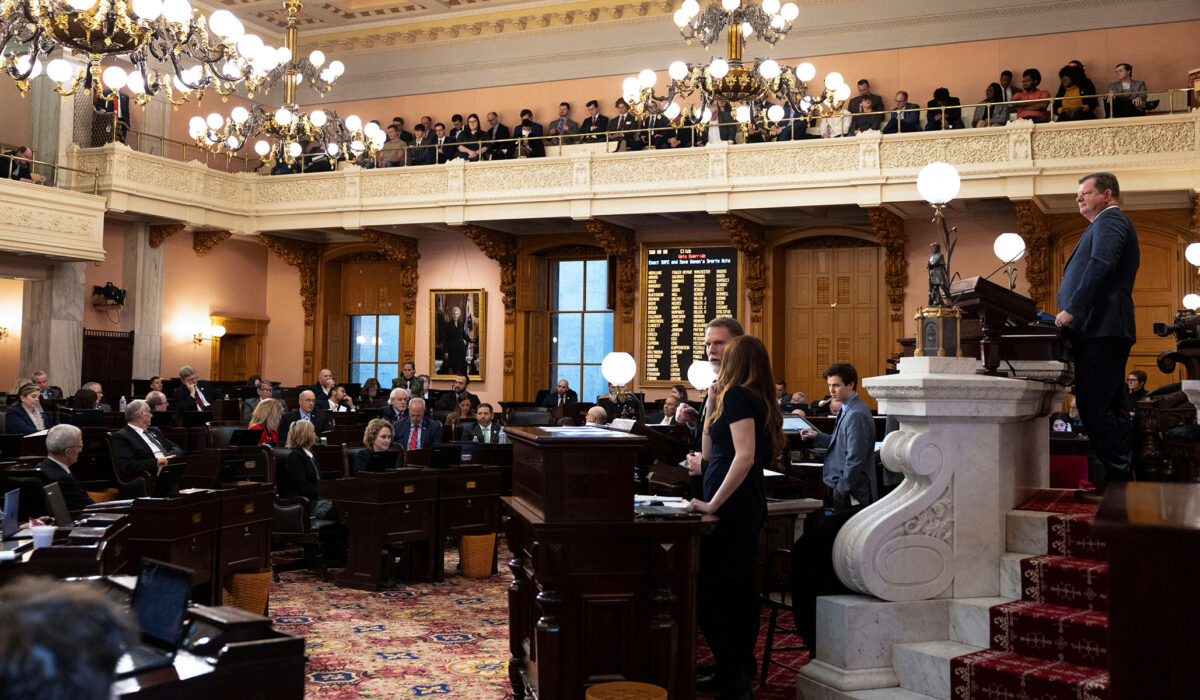
Ohio’s Model for Tougher Penalties on Church Disruption
Ohio’s experience shows that states can successfully enact legislation to increase penalties for church disrupters. That simple fact matters because it proves the policy is achievable at the state level, not just in theory. Lawmakers elsewhere are watching to see what works.
Disruption of worship can take many forms: loud interruptions during services, blocking access to buildings, or coordinated actions meant to intimidate. Those actions aren’t just rude, they interfere with a fundamental freedom to assemble and worship without fear. Protecting that quiet, sacred space is a public safety issue as much as a moral one.
From a Republican viewpoint, this is about enforcing the rule of law and defending religious liberty. When government lets disorderly conduct go unchecked inside houses of worship, it signals that civic order is optional. Tougher penalties are a straightforward tool to restore boundaries and deter repeat offenders.
Ohio’s move shows lawmakers can draft statutes that target specific conduct while avoiding vague language that invites litigation. Defining unlawful disruption in measurable terms helps prosecutors and judges apply the law predictably. Clear statutory elements reduce the risk that courts will toss cases on due process grounds.
Free speech and protest rights are constitutionally protected, and any new law needs to respect that balance. Reasonable time, place, and manner standards can allow peaceful protest outside without permitting deliberate interference inside a service. That line keeps both rights intact: the right to speak and the right to worship peacefully.
Practical enforcement matters as much as the statute on the books. Police need training on where an arrest is warranted and when to escalate, and prosecutors need charging guidance so cases move efficiently. When enforcement is consistent, the deterrent effect becomes real and repeat disruptions drop.
For other states considering similar steps, the political approach matters: build coalitions with faith leaders, law enforcement, and bill sponsors who can explain the public safety angle. Framing the law as common-sense protection for worshippers, not a curb on peaceful protest, helps win support across the aisle. Real-world examples from Ohio give lawmakers credible talking points when they face skeptical constituents.
As debates continue over how best to balance speech and worship, Ohio’s example will remain a reference point for legislators seeking workable, enforceable solutions. The key lesson is simple: clear laws, consistent enforcement, and respect for constitutional rights can coexist. That combination gives communities tools to protect worship without trampling civil liberties.