

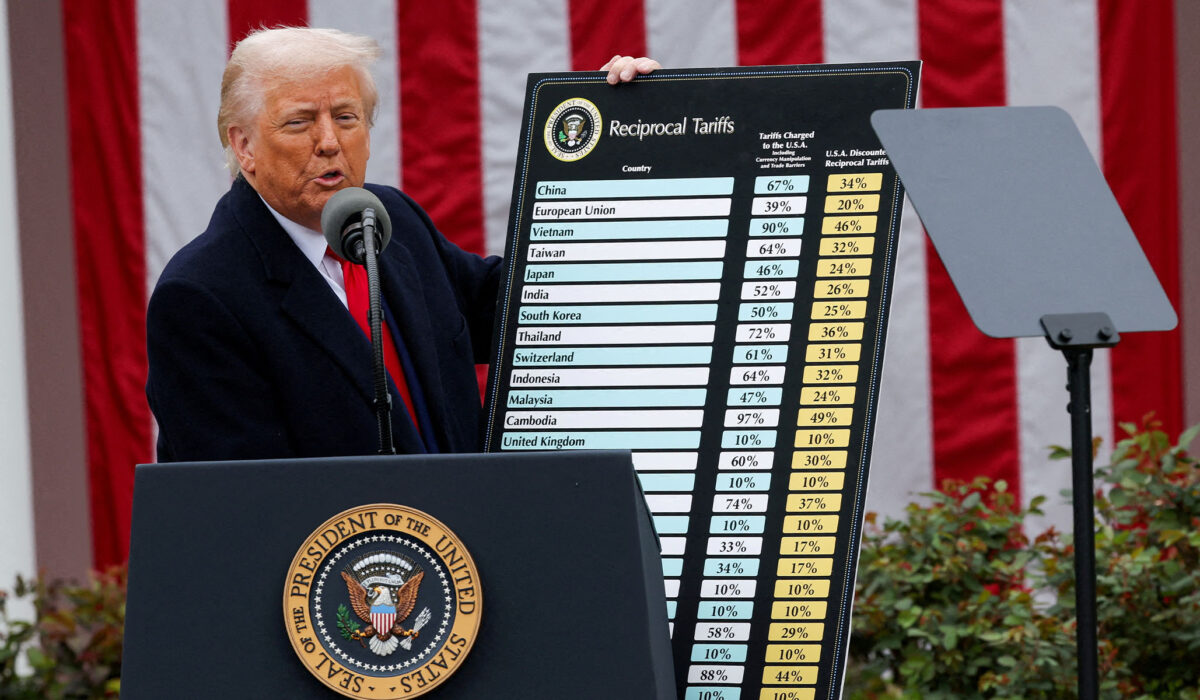
How Tariffs Have Hit Americans and Businesses
The president’s tariff policy has driven up costs for families and companies across the country. Prices on everyday goods climbed, squeezing household budgets and reducing real purchasing power. At the same time, businesses faced a new layer of uncertainty when planning investments and hiring.
Tariffs were pitched as a tool to restore manufacturing and protect workers, but the results are mixed and the math is simple. When import taxes rise, domestic buyers often bear the cost through higher retail prices or the need to source more expensive inputs. That dynamic undercuts the original promise of lower unemployment and stronger wages.
Small and mid-sized businesses felt the impact first and deepest because they have less room to absorb price shocks. Many rely on global supply chains for parts and raw materials and cannot quickly switch suppliers or redesign products. Those added costs eat into margins, stall expansion and sometimes force layoffs.
Big companies have resources to adapt, but adaptation is not free and it rarely benefits consumers. Multinationals can shift production or raise prices, and the net effect still trickles down to American shoppers. Investors hate unpredictability, and higher trade barriers increase the risk premium on capital spending.
Tariffs also invite retaliation, which turns trade disputes into broad economic damage rather than targeted policy wins. Foreign governments often respond with their own taxes on American goods, hitting farmers and manufacturers who export. That retaliation can hollow out entire regional economies that depend on overseas sales.
Supporters say tariffs are leverage for better trade deals, but leverage only works if you can follow through with realistic alternatives. A sustained industrial strategy needs predictable rules, not erratic taxes that change with headlines. Businesses plan around certainty, not flash policy swings that make long-term projects untenable.
A Republican viewpoint values free markets, fiscal responsibility and strong national security, and tariffs conflict with those principles when misused. Free trade under fair terms tends to lower prices and boost innovation, while targeted enforcement protects against bad actors without wrecking markets. Sound policy uses narrow remedies like enforcement of trade laws and smarter competitive investments rather than blanket duties.
There are situations where tariffs make sense, such as stopping dumping or protecting critical defense suppliers, but those should be narrow, time-limited and accompanied by clear exit plans. Broad, permanent tariff programs become a tax on consumers and a gift to cronies who can lobby for protections. Americans deserve markets that reward efficiency, not politics.
What companies need is clarity: transparent rules, predictable horizons and a government committed to enforcing fair play. That allows firms to invest in equipment, hire workers and build supply chains that span years. Without a steady hand, capital goes elsewhere or sits idle until the fog lifts.
Meanwhile, ordinary Americans pay for the policy in their grocery carts and utility bills. Lower-income households often spend a larger share of income on goods affected by tariffs, so the burden is regressive in practice. Any trade approach that ignores that reality will widen inequality in ways policymakers should not accept.
Fixing this calls for measured steps, not sweeping experiments that disrupt lives and livelihoods. Trade policy must be a tool for growth, not a headline-seeking levy that impoverishes the people it claims to protect. The country needs practical, principled alternatives that restore competitiveness without breaking the budget of American families.