

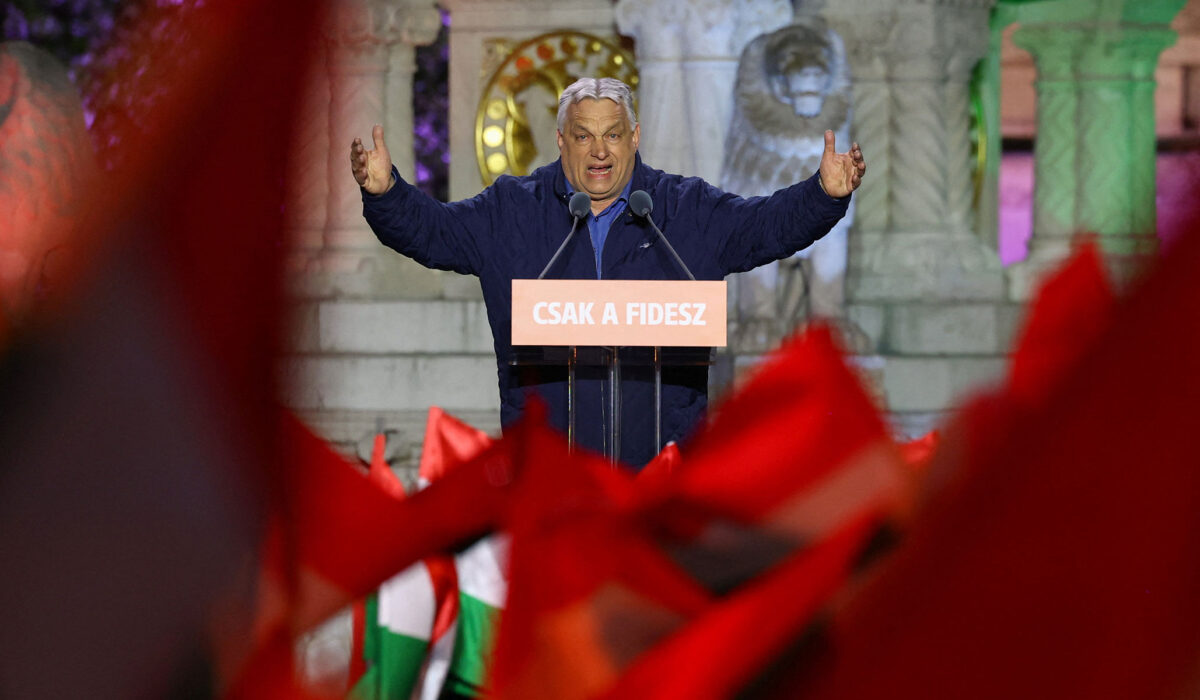
Hungary’s prime minister could lose his election bet on ‘unorthodox economics.’
Viktor Orbán has staked a lot on a mix of heavy state intervention and political messaging that his supporters call pragmatic and his critics call “unorthodox economics.” He has used price controls, targeted subsidies, and regulatory tweaks to shield households from inflation and to keep voters content. That strategy worked for a while, but it faces limits when the bills come due.
The core problem is simple: short-term fixes can mask long-term imbalances. Running sustained support programs without clear revenue plans strains public finances and narrows the space for private investment. Voters may tolerate relief for a time, but persistent economic sluggishness chips away at confidence.
From a conservative angle, the instinct to prioritize national decision-making over distant technocrats makes sense. Republicans tend to respect sovereignty and local solutions, and Orbán has positioned himself as the guardian of Hungarian control. Still, fiscal discipline and a competitive private sector are essential to keep promises realistic.
Politically, this is a high-stakes gamble. If inflation stays subdued and living standards hold up, the ruling party can claim success and ride the wave. But if growth stalls, unemployment ticks up, or subsidies start to feel like favors to cronies, the narrative shifts fast and voters look for accountability.
Internationally, Orbán’s model has been a headache for Brussels. His emphasis on national priorities and skeptical stance toward supranational prescriptions play well at home for those who value independence. Yet those same moves can invite friction with investors and trading partners who want predictable rules and transparent finances.
Economic outcomes matter more than rhetoric. Investment decisions depend on policy clarity, judicial fairness, and a predictable tax code. When government intervention looks ad hoc or politically motivated, it scares off entrepreneurs and slows job creation.
There are tradeoffs in every policy mix. Keeping consumer prices low through caps helps households right now but can distort markets and create shortages later. Subsidies can protect key industries but weaken competitive pressures that drive efficiency and innovation.
Orbán’s messaging aims to reframe these tradeoffs as patriotic choices and to tie economic policy to cultural and national identity. That tactic mobilizes a loyal base and makes the debate less about numbers and more about values. For voters who prioritize identity politics, that framing can outweigh cold economic indicators.
But elections turn on lived experience. When people feel their wallets tighten, identity arguments matter less than whether they can pay the bills. A winning campaign needs both a convincing story and credible policies that produce steady incomes and opportunity.
Opposition forces sense an opening and will press on practical failures rather than abstract disagreements. They will highlight stalled projects, rising costs in areas not covered by relief, and any signs of corruption or favoritism tied to interventionist programs. That practical focus can be persuasive for swing voters who want competence over symbolism.
The stakes are clear: the election will test whether voters prefer short-term protection wrapped in nationalist rhetoric or a return to market-friendly reforms that promise durable growth. For a Republican-leaning observer, the sensible path blends respect for national sovereignty with fiscal restraint and a welcoming climate for private enterprise. How Hungarian voters answer that question will decide Orbán’s bet on ‘unorthodox economics.’