

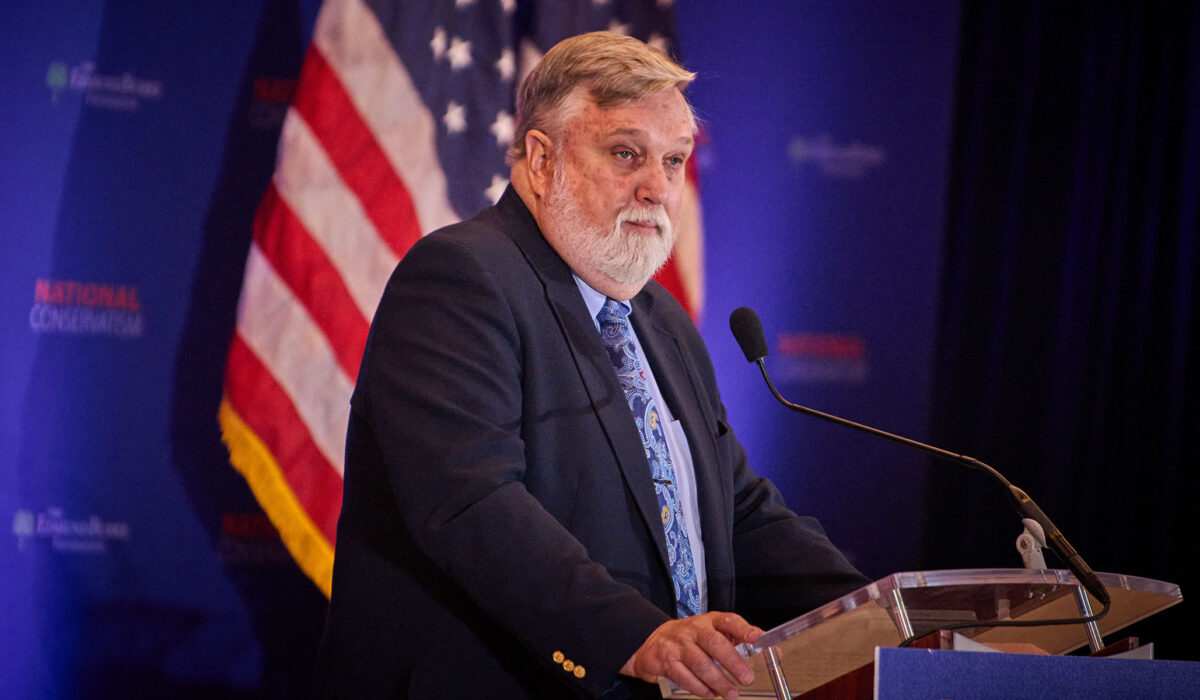
Pastor’s Remarks on the Muslim Call to Prayer Stir a Familiar Debate
A controversy over a pastor’s comments about the Muslim call to prayer is a familiar one. The pattern repeats: remarks land in public view, social media amplifies them, and communities respond with a mix of support and condemnation. That cycle raises questions that go beyond the individual speaker.
At the heart of these incidents are competing values: freedom of speech and religious liberty on one hand, and mutual respect and public harmony on the other. People who follow these debates closely see them as tests of how plural societies manage sincere disagreement. How those values are balanced depends on local context and the institutions that respond.
Religious leaders often speak from conviction, which can clash with a diverse audience’s expectations. When a pastor criticizes another faith’s public practices, reactions can be swift and intense. Local governments, congregations, and civil society groups frequently become arbiters in the controversy.
Social media turns what would once have been a local quarrel into a national conversation within hours. Clips and posts drive narratives that may simplify motives and mute nuance. That dynamic pressures institutions to react quickly, sometimes before facts are fully known.
Legal frameworks vary, but the First Amendment in the United States protects a wide range of religious and political speech. Protection from government restriction does not shield speakers from private consequences such as job loss or public condemnation. Communities wrestle with whether those private consequences are appropriate or disproportionate.
Religious coexistence also has practical dimensions: shared public spaces, noise ordinances, and zoning rules can shape how different forms of worship are expressed. Those regulations can be a neutral way to manage competing uses of space, though they can also be used selectively in ways that feel unfair. Finding neutral, consistent rules is a difficult but necessary task.
Dialogue matters, but it is often missing when tempers flare. Constructive conversations require time, an environment where people feel safe to speak, and a willingness to listen. Without those conditions, debates tend to harden positions instead of producing solutions.
Civic leaders and faith communities alike have roles to play in calming tensions. Elected officials can emphasize legal protections while encouraging respectful exchange. Religious institutions can model restraint and prioritize relationships with neighbors.
Journalists and media platforms likewise carry responsibility: they can report context and motive instead of amplifying outrage. When coverage focuses on provocation alone, it rewards extreme takes and sidelines quieter efforts to build understanding. Better reporting can create space for repair.
At the individual level, people can choose responses that either inflame or de-escalate the situation. Calling for accountability is one option; seeking conversation is another. Both approaches can be legitimate, but their effects differ.
These controversies reveal a recurring cultural question: how to honor robust religious conviction while protecting the dignity of others in public life. Navigating that tension requires patience, principled leadership, and a commitment to fair process. When communities invest in those practices, they are better positioned to move past headline-making disputes and maintain peaceful coexistence.