

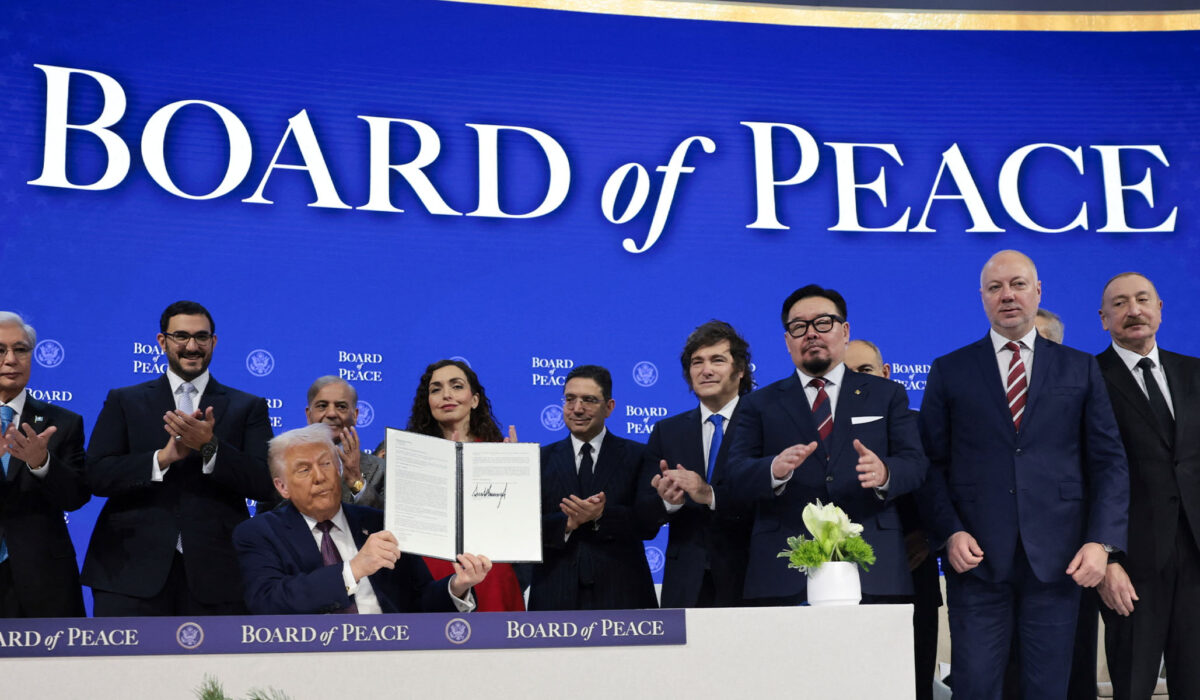
Who Controls the Board of Peace
The president has rolled out what supporters call a new international coordinating body, and critics see something else entirely. “To hear the president and his allies speak of it, it is a United Nations in miniature — one under the president’s control.” The argument has everything to do with who answers for decisions and who signs the checks.
From a Republican perspective, the first worry is centralization of power in the executive branch. A board that reports to the White House can sidestep the checks that come from Congress and the courts. That setup raises familiar questions about separation of powers and accountability.
Transparency will be a major test for any Board of Peace model the administration advances. Republicans want regular audits, public reporting, and strict limits on classified operations tied to the board. Without that, oversight becomes a slogan rather than a safeguard.
The policy effects could be substantial and wide ranging, touching diplomacy, aid distribution, and the use of American expertise overseas. If the board can commit resources or set policy, it may overlap with existing agencies and treaty obligations. Overlap invites confusion and gives the administration room to steer outcomes with minimal input from elected representatives.
There is also a real risk of partisan staffing and mission creep when a presidentially aligned body runs long-term programs. Appointments could reward political allies, and vague mandates can expand quietly into costly commitments. Taxpayers deserve to know who is hired, what they are allowed to do, and how long they will be funded.
Republican responses are likely to focus on process controls and legal limits rather than rhetorical opposition alone. Expect demands for appropriation riders, sunrise and sunset provisions, clear statutory authority, and tough confirmation requirements for any senior posts. Courts may also be asked to weigh in if the board claims powers that overlap with Congress or the judiciary.
The public debate will hinge on one simple question: will this be a genuine effort to coordinate peacebuilding, or a new lever for centralized executive influence? Republicans say the stakes are about more than programs; they are about preserving the constitutional balance. How that balance shifts will matter to policy, taxpayers, and the future of American leadership abroad.