

Real ID, Biometrics and the Growing Control Network
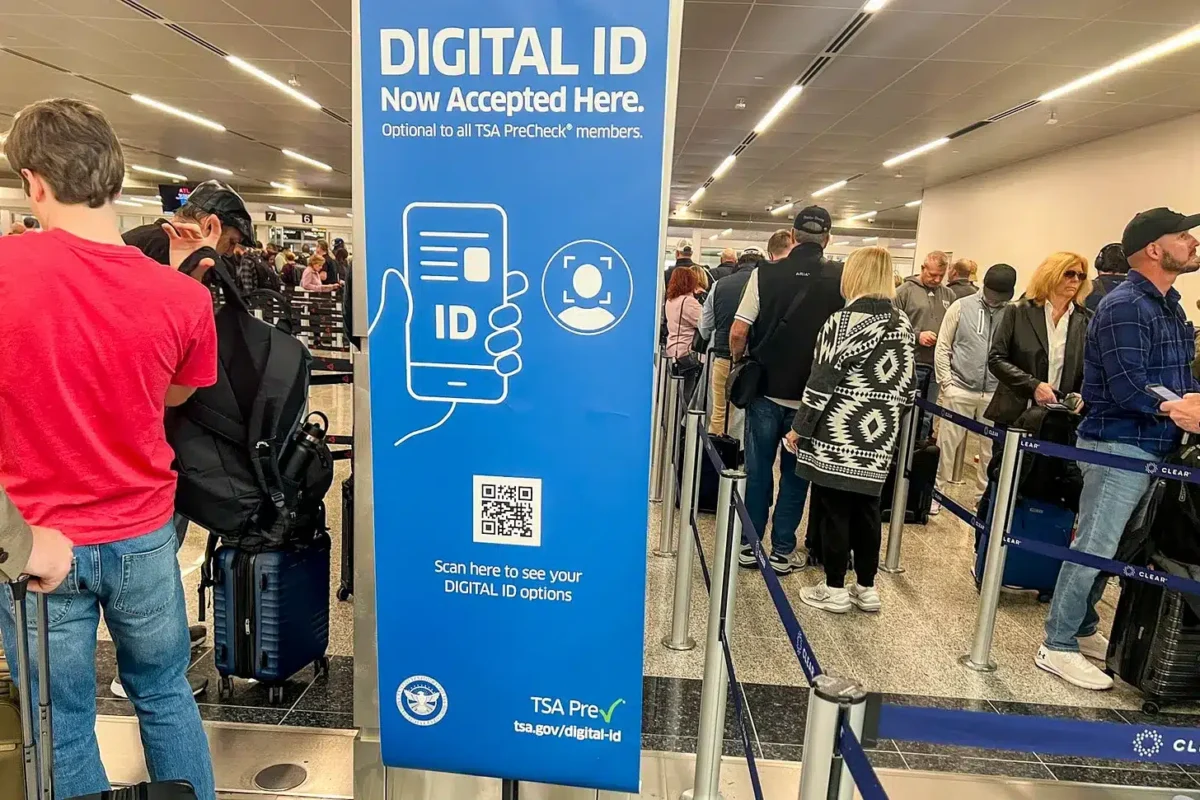
The push to enroll travelers into RealID is accelerating, and the result is a practical squeeze on civil liberty. Beginning February 1, air travelers without a RealID driver’s license face a $45 fee and an extra biometric verification process. The government is tying RealID to state DMV records and folding that data into a larger DHS database.
State DMVs matter because they provide standardized photographs and documentary proof like birth certificates, taken under official supervision. That process creates an authoritative record that can be linked to other records. On average, over 50 percent of Americans travel at least once a year, which means many will be swept up in these systems.
“Legal identity” is the anchor record that lets states and their corporate partners reliably link otherwise separate traces (travel, communications, biometrics, financial transactions) back to one canonical subject. The surveillance state, therefore, treats legal identity not merely as a right but as a control interface: once a person is bound to a legally recognized, digitized identity, that identifier becomes the switch through which access, permissions, sanctions, scoring, and monitoring can be automated. The keyword is “automated.”
This is why biometric information is being collected on newborn infants, including DNA, when they are helpless and cannot understand consent. ⁃ Patrick Wood, Editor. That practice shows the logic: gather data as early and as comprehensively as possible so the system can build permanent records. Once those records exist, technology makes enforcement and exclusion scalable.
The Transportation Security Administration has confirmed a $45 option for passengers lacking compliant ID, with extra verification labeled “TSA ConfirmID.” “Travelers who do not present an acceptable form of ID at TSA checkpoints and still want to fly, have the option of paying a $45 fee and undergoing the TSA ConfirmID process,” Acting TSA Director Ha Nguyen McNeill said. TSA also warned that using ConfirmID will subject travelers to “additional ID verification, screening measures and potential delays.”
Data collected at checkpoints does not stay isolated at the airport. Officials admit that passenger identity information supports intra-agency work inside DHS, and cooperation with immigration enforcement has been acknowledged. That means biometrics and travel records can be repurposed across federal missions without clear, independent oversight.
Who else gets to see this fused identity data is a serious question. The private firms that build and run data systems for government are in the business of combining records and selling insights. Companies such as Palantir, which supplies complex analysis to multiple federal agencies, are explicitly part of that ecosystem and raise tough questions about third-party access to citizens’ dossiers.
The origins of this apparatus trace back to post-9/11 reforms and the REAL ID Act of 2005, which created the legal groundwork for national ID functions at the state level. At the time biometrics were emerging; now the technology has matured into always-on surveillance tools. The result is that policies written in a different era are being weaponized with far more powerful technical means.
Predictably, the scope keeps widening: airlines and travel are just the opening move. It is plausible to expect RealID requirements to expand into more everyday activities until the minority without compliant IDs—estimated by some at about 6 percent—are consistently penalized. Administrative convenience and risk management are being used to normalize a relationship where access depends on digital identity conformity.
The broader narrative ties into ongoing federal initiatives like vehicle telematics and digitized currency discussions, which together form components of a programmable control grid. Claims that new vehicle standards include remote shutdown capabilities and that tokenized digital money is being advanced sit alongside biometric expansion to sketch a coherent architecture. Whether you call it modernization or a surveillance platform depends on where you stand on individual freedom versus centralized control.
Conservatives should pay attention because this is a fight over the reach of federal power and the integrity of personal liberty. Expanding a national identity infrastructure and merging it with private providers changes the balance between citizens and the state. That shift deserves scrutiny, debate, and answers about limits and safeguards.