

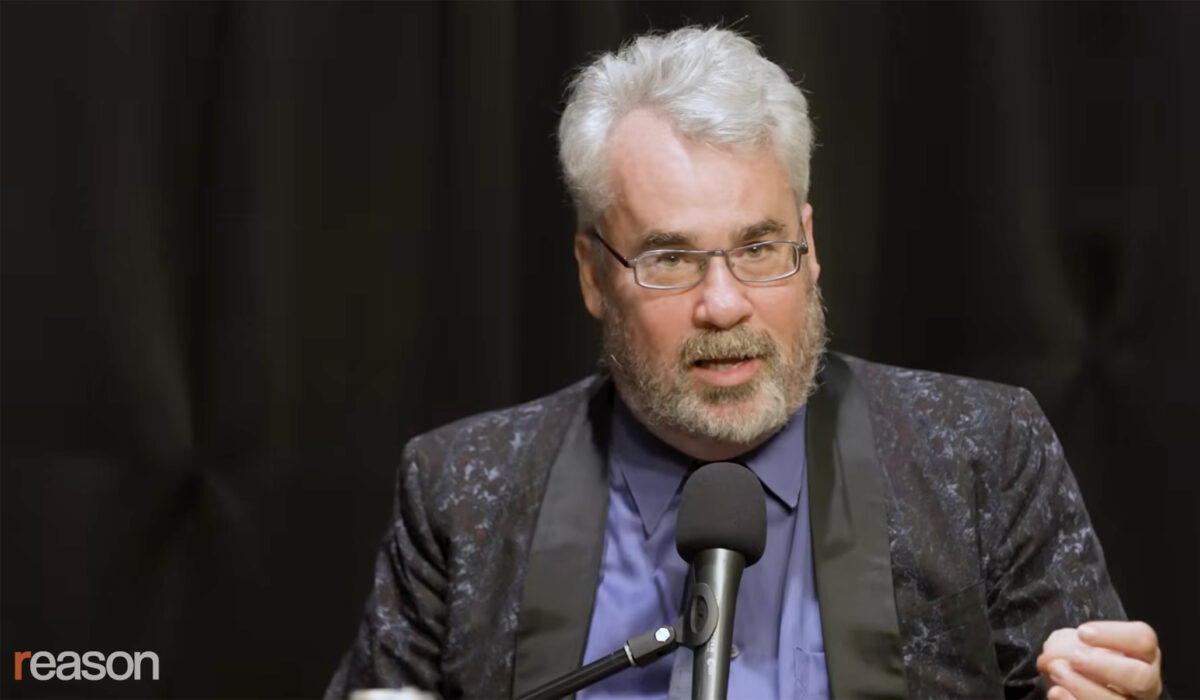
Brian Doherty and the Story of American Libertarianism
Reason senior editor Brian Doherty was a font of knowledge on American libertarianism. He combined deep research with a reporter’s eye, making complex intellectual history readable and engaging. This piece looks at his approach, his major work, and why his voice mattered to people curious about liberty.
Doherty spent decades at Reason where he reported on ideas, institutions, and the people who shaped them. He wrote with the sort of clarity that turns archival detail into a narrative people actually want to follow. His writing treated libertarianism less as a label and more as a living conversation among thinkers, organizers, and activists.
His landmark book, Radicals for Capitalism: A Freewheeling History of the Modern American Libertarian Movement, lays out that conversation by tracing the movement’s characters and turning points. Rather than lean on jargon, the book leans on stories—who said what, who fought whom, and how networks formed. That approach helped readers see the movement as a chain of choices and contests, not an abstract doctrine.
Doherty’s reporting style favored people over theory without ignoring ideas, and he did the homework to make both clear. He pulled together interviews, primary documents, and institutional history in ways that let the reader follow the thread from early thinkers through later campaigns and cultural shifts. The result was work that both scholars and curious general readers could use.
Beyond his books and columns, Doherty served as a resource for anyone trying to understand libertarian currents, which often overlap with policy debates and cultural arguments. His pieces documented debates over strategy, principle, and coalition-building inside the movement, which made them useful for historians and for activists trying to learn from the past. That mix of documentation and plain-speaking commentary is part of why his work kept getting cited.
He had a knack for translating archival detail into plain language without flattening the complexity involved, which meant readers could grasp both personalities and principles. That practical clarity made his pages a good starting place for newcomers and a useful shorthand for more seasoned readers. His voice helped move conversations from abstract claims to concrete examples about how ideas travel and change.
Readers looking back at Doherty’s writing will find more than a catalog of names and dates; they’ll find a method for studying political and intellectual movements. He focused on networks, institutions, and storytelling as the way ideas take root, and that focus remains a handy lens for anyone researching movements today. His work leaves behind a trail of readable research that keeps the debate about liberty accessible and connected to real people.