

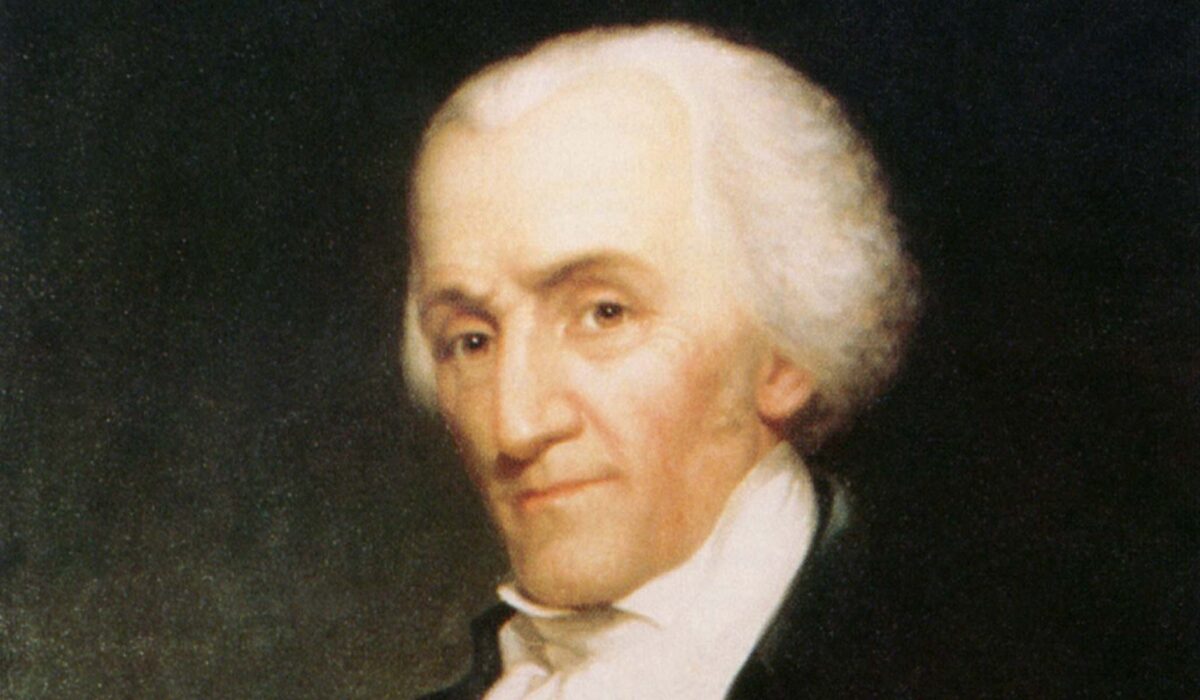
Elbridge Gerry: More Than ‘gerrymandering’
Elbridge Gerry is often remembered because his name got attached to the word ‘gerrymandering’, but that one association flattens a fuller public life. He served in key positions when the new nation was finding its footing, and his career deserves a clear-eyed look. Painting him as a single-term punchline ignores his broader record.
Gerry moved through the early American political world at a pivotal moment, stepping into roles that mattered at both state and national levels. His service included executive responsibility for Massachusetts and later the vice presidency, places where decisions had real consequences. Those roles shaped policies on representation, finance, and governance.
The 1812 redistricting episode linked his name to a political tactic, but the policy choices that led there were complex and rooted in fierce partisan conflict. Political maps have always been weapons in hard-fought contests, and the gravy of tactics can drown out the substance of public service. Context matters when judging a public figure from a different era.
Looking beyond that episode, Gerry showed consistent skepticism of concentrated federal power and an appetite for defending state prerogatives. That posture aligned him with a strain of thought that valued local control and wary limits on central authority. For many voters who prize personal freedom and decentralized decision-making, that matters.
He also demonstrated practical governing instincts, confronting problems the young republic faced without the benefit of modern frameworks or institutions. Administrating in the early 1800s meant improvising systems for finance, defense, and civic order. Those practical choices often required compromise and tough-minded tradeoffs.
It’s worth noting how political labels and cartoonists can harden quickly into history’s verdicts. A catchy phrase or a memorable image can eclipse records of careful public service, and that happens across political lines. Reducing a complex public life to a single word offers convenience, not clarity.
For conservatives interested in constitutional restraint and robust state authority, Gerry’s instincts and votes provide useful reference points. His resistance to unchecked centralization and insistence on institutional balance resonate with a view that government should be strong enough to secure rights but limited enough to leave citizens free. That balance is central to conservative political thinking.
At the same time, the redistricting controversy signals a cautionary tale about the temptations of partisan politics. Even leaders with principled commitments can make choices that undermine public trust when party advantage becomes the priority. A sober look at Gerry’s record helps separate durable convictions from opportunism.
Understanding him fully means accepting complexity: contributions to governance and statesmanship alongside mistakes and missteps. Historical judgment should weigh both the durable and the regrettable without collapsing his career into a single lasting joke. Honest appraisal strengthens civic memory.
When we teach or recall founders and early leaders, we should resist the shorthand that reduces them to caricatures. Highlighting the whole of Gerry’s public life lets citizens debate his ideas and errors on their merits. That approach produces a better civic conversation and sharper lessons for today.
Elbridge Gerry’s name will likely always carry the sting of ‘gerrymandering’, yet his career offers more than that one label. Seeing him as a statesman means looking at the offices he held, the principles he defended, and the choices he made under pressure. History is complicated, and so was he.