

Renee Nicole Good and the Risks of Direct-Action Protest
Renee Nicole Good’s death looked inevitable given the confrontational, take-no-prisoners protest style tied to ICE Watch. That kind of direct-action approach puts people in harm’s way by design, and it invites chaos into situations that demand order and professional oversight. From a Republican perspective, the predictable outcome is a tragic reminder of the costs when politics replace planning.
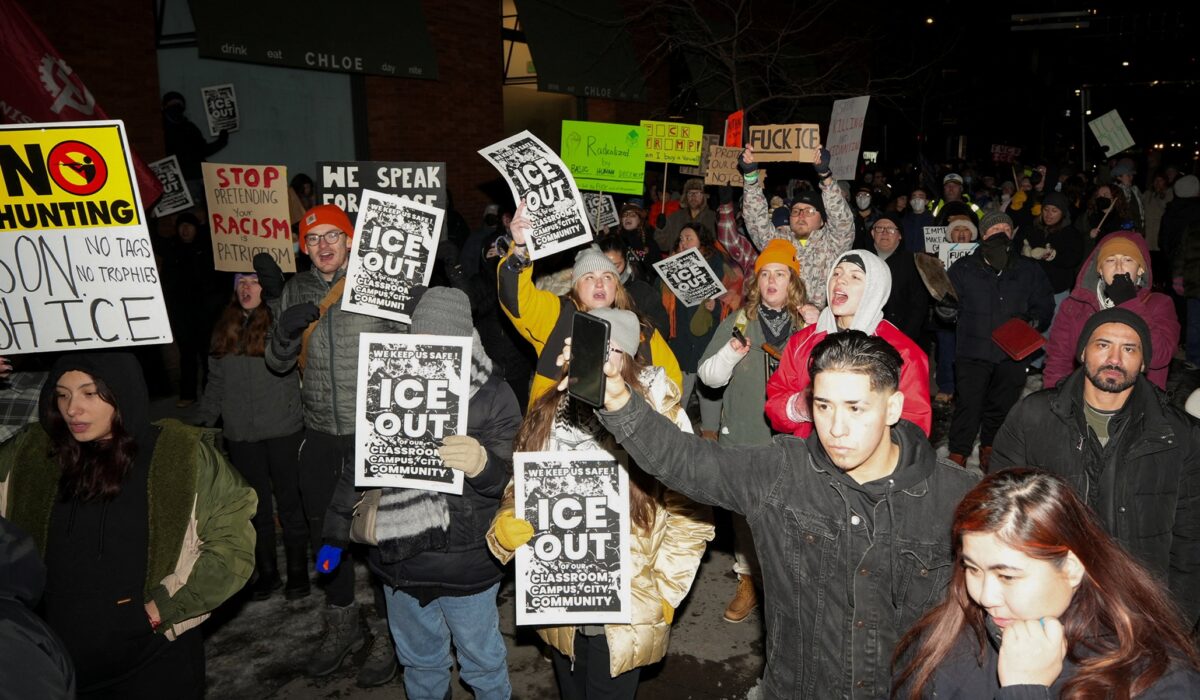
ICE Watch and similar groups lean on disruption as their main tactic, staging blockades, sit-ins, and intense public pressure that can escalate quickly. Those tactics aim to force change through spectacle, not through negotiation or lawful channels, and spectacle often spirals beyond anyone’s control. When a demonstration crosses into sustained interference with government functions, it creates real risks for everyone on the scene.
Direct action is not inherently illegal, but it trades on high tolerance for confrontation and the assumption that emergency responders will adapt on the fly. That gamble can leave people waiting for medical care or law enforcement responses while protest activity complicates access and communication. Predictable consequences should be part of any honest debate about protest tactics.
There’s also a moral dimension to consider: tactics that prioritize disruption over safety ask bystanders and vulnerable people to shoulder the danger. Families and community members who get caught up in a protest did not vote on the methods and often suffer the immediate fallout. Republicans tend to view public safety as paramount, and anything that increases avoidable risk undermines community trust.
Law enforcement faces a difficult balance when demonstrations become direct action, forced to choose between letting civil disobedience proceed and using force to restore order. Both choices have costs: restraint can enable dangerous behavior, while intervention invites civil liberties complaints and political backlash. That makes these events volatile by nature and hard to manage responsibly.
Policy debates matter here because they shape incentives. If activist groups expect minimal consequences for obstructive or risky tactics, they may double down on those approaches. Conversely, clear legal boundaries and consistent enforcement remove the calculus that makes extreme disruption attractive. Republicans argue that predictable, evenly applied enforcement protects both public order and legitimate dissent.
Another element is accountability within activist movements themselves. Groups that emphasize confrontation often privilege the loudest, most aggressive voices, which can drown out calls for safer, more strategic advocacy. When internal dissent gets sidelined, reckless choices become the path of least resistance and the likelihood of tragedy goes up.
Families like Renee Nicole Good’s deserve honest assessments of how events unfolded and practical steps to reduce repeat harm. That means scrutinizing protest methods, the response of authorities on the ground, and the chain of decisions that led to an avoidable outcome. A fair process requires facts, not slogans, and a willingness to examine uncomfortable truths.
There’s also a civic argument for channeling passionate views into institutions that can produce durable change. Legislative campaigns, targeted litigation, and community organizing may lack the drama of direct action, but they build the kind of lasting reform that spectacle rarely achieves. Republicans often stress these avenues because they foster stability and sustained progress.
Finally, acknowledging the human cost without politicizing the person is crucial. Tragedies like this should prompt sober reflection about tactics and responsibility, rather than mere point-scoring. If the goal is to save lives and improve policy, the means have to be as responsible and realistic as the ends.