

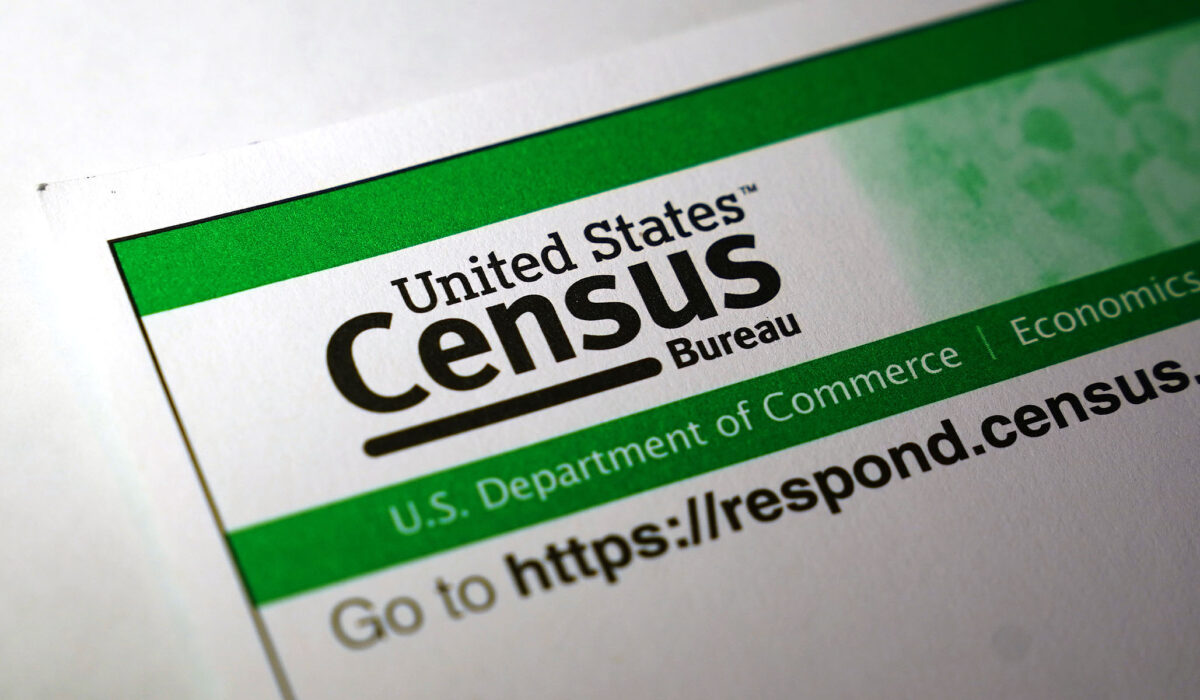
Restore the Citizenship Question to the Census
Adding a citizenship question to the decennial census is about restoring balance to congressional representation and protecting the political power of citizens. It is not an abstract data point; it determines who shapes policy in Congress and who carries the burden of federal programs. That matter deserves clear, accurate information.
The Constitution requires a census to apportion seats in the House of Representatives, but practical politics has allowed rapidly growing noncitizen populations to shift influence away from citizens. When districts are drawn and seats allocated without a clear picture of who can vote or seek office, representation can drift from the intentions of voters. Asking about citizenship brings transparency back into that process.
Supporters argue a citizenship question would help ensure that a state’s congressional power matches the interests of its citizenry. States with large concentrations of noncitizens can gain advantage in apportionment and federal resource allocation, even though noncitizens cannot vote in federal elections. Citizenship data helps lawmakers and the public see whether political power reflects the electorate.
Critics warn that such a question will depress response rates in immigrant communities and produce an undercount that hurts representation for everyone. That concern is understandable, but it does not negate the legitimate interest in knowing who is a citizen. The challenge is to balance accurate citizenship data with strong privacy protections and public outreach to encourage participation.
Privacy safeguards exist within the Census Bureau’s legal framework, which prohibits disclosure of personally identifiable information and imposes strict penalties for misuse. Properly administered, a citizenship question would collect aggregate data useful for apportionment, redistricting, and enforcement of voting-rights laws without exposing individual responses. Republicans emphasize that reliable, lawfully protected data is preferable to guesswork or politically motivated estimates.
The debate intensified when litigation blocked the question from appearing on the 2020 census, turning a technical census decision into a major political battle. Courts and political actors weighed in, and the result was a census conducted without that specific citizenship item. The episode showed how politicized the census process had become and why reformers argue for clearer rules moving forward.
For state legislatures and local officials, citizenship data can be crucial when drawing districts that respect communities of interest and the Voting Rights Act. It is not about excluding people from services; it is about making sure representation and electoral districts reflect those eligible to participate politically. Accurate data makes targeted, lawful policy possible.
Opponents often frame the question as hostile to immigrants, but supporters frame it as a shield for citizen voters and fair apportionment. The goal is not to stigmatize anyone but to ensure that the core democratic mechanism—who gets seats in Congress—rests on clear information. That clarity serves accountability in government.
Restoring the citizenship question is a practical reform with political consequences that favor fairness for voters over the accidental advantages created by population shifts. It invites a straightforward national conversation about who should determine representation in Congress and how to collect the facts to make that decision. The issue will return to policymakers and courts until a durable solution balances accuracy, privacy, and equal representation.