

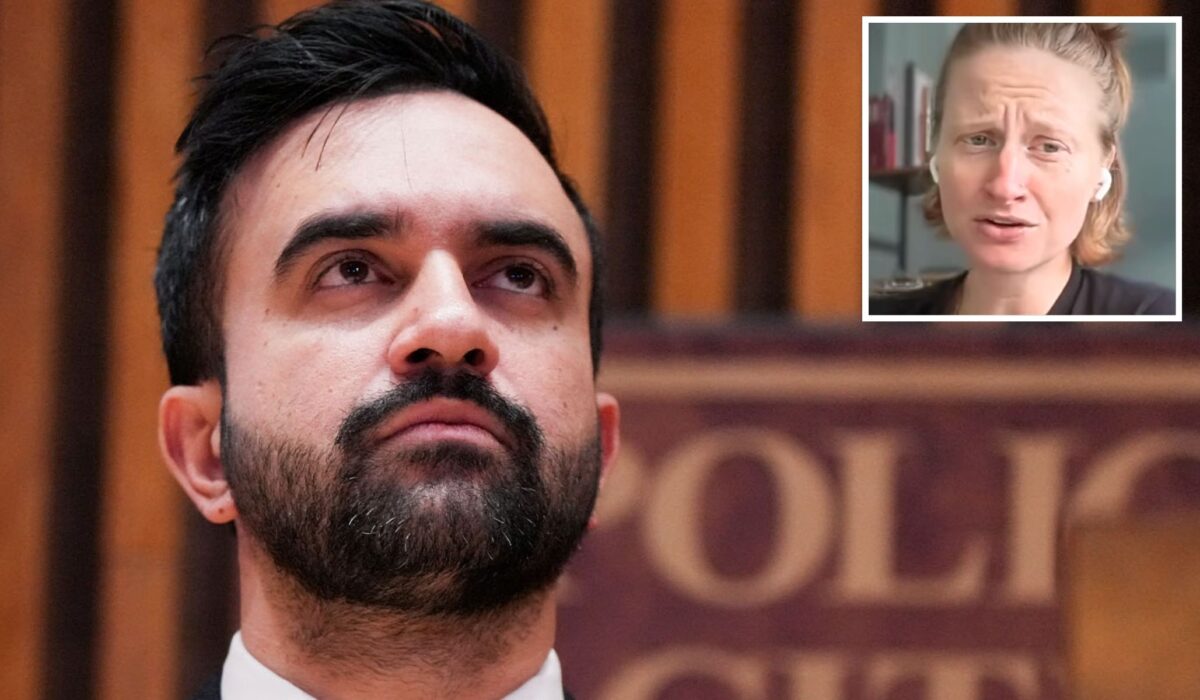
The Rise of Cea Weaver and What It Reveals
The elevation of figures such as the fanatical Cea Weaver has been edifying, shining a light on trends that matter to anyone who cares about free speech and common sense. Watching this unfold gives a clear window into how certain personalities gain influence and how that influence is used. It is worth looking at the dynamics without pretending this is just noise.
People labeled fanatical are often loud and uncompromising, and that style sometimes looks like conviction until you test it. What passes for leadership in these circles rewards performative purity over practical solutions. From a Republican perspective, that creates a political environment that punishes real debate.
Institutions are where the effects are most visible, whether it is campuses, corporate boards, or media outlets. When ideological litmus tests replace merit, institutions lose credibility and capability. The result is a professional and cultural brain drain that harms everyone who depends on those institutions to be fair and functional.
Another problem is the normalization of cancelling dissenting voices instead of engaging with them. The instinct to silence critics rather than persuade them corrodes public discourse. Conservatives see this as both a tactic and a cultural signal that long-term harms pluralism.
Social media amplifies these figures in ways that are not healthy for democratic debate. Algorithms favor outrage and clarity of narrative over nuance, letting extreme positions dominate feeds and headlines. That amplification can make fringe views seem mainstream, skewing public perception and policymaking.
There are also direct political consequences when such figures shape policy conversations. Policy choices rooted in ideological purity tend to be brittle and fail in the face of real-world complexity. The pragmatic alternative is policy grounded in tested evidence and broad consensus, not rhetorical victory.
Voters notice when elites elevate the loudest voices and neglect steady governance. That fuels political backlash and deepens polarization as citizens look for leaders who will protect institutions and restore normalcy. Republicans frame this as a call to restore guardrails that keep public life functional and predictable.
Media coverage often treats these personalities as one more spectacle, which boosts their platform and obscures substance. Responsible reporting would separate performance from policy and hold people accountable for consequences, not just quotes. Conservatives argue that restoring journalistic standards is part of rebalancing public life.
On the ground, the real victims are the people who depend on institutions to work: students, taxpayers, small businesses, and families. When ideology becomes the primary metric, practical needs get sidelined and basic services suffer. That erosion of trust has a cost that shows up in lower civic participation and weaker community ties.
What this moment makes clear is that influence without restraint becomes its own problem, regardless of which side it comes from. The lesson for those who care about stable governance is that defending institutional norms matters more than scoring ideological wins. Observing the rise of figures like Cea Weaver should push the conversation toward durability, competence, and respect for pluralism rather than performative purity.