

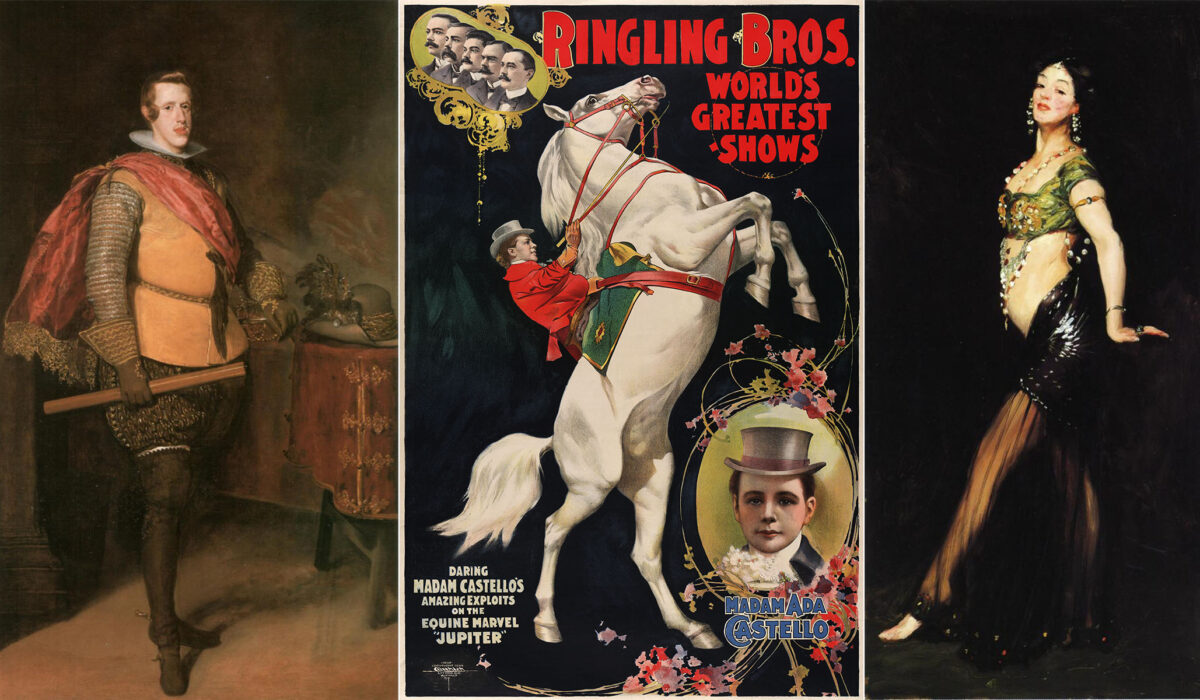
The Ringling Museum: Whimsy, Seriousness and Why Its Stewardship Matters
It’s both whimsical and serious, though its website is awful. That mix is exactly what makes the place worth protecting: playful exhibitions that also carry weight for local culture and tourism. Visitors come for the spectacle and stay for the history, architecture and the community value it provides.
Museums like Ringling are anchors for neighborhoods and drivers of small-business traffic, hotel stays and seasonal events. They create a cultural identity that attracts families, tourists and donors who invest time and money in the region. Keeping that local economic benefit healthy is a conservative priority that respects taxpayers and private patrons alike.
Practical stewardship means balancing budgets, welcoming philanthropy and insisting on operational efficiency. The website may be clunky, but a clunky site does not equal bad collections or weak community relevance, and it’s fixable without heavy-handed political theater. Upgrading digital tools should be a pragmatic project, funded through smart management, private gifts and targeted public support when appropriate.
Conservatives should favor trust in professional museum boards and local leaders rather than broad political micromanagement. Expertise in curation, archiving and programming lives with museum staff and trustees who understand the mission. Heavy-handed interference risks demoralizing professionals and cutting off the private support that keeps institutions thriving.
And, Governor DeSantis, don’t mess with its governance. Broad, politically driven changes to oversight often have unintended consequences: donors withdraw, staff leave, and partnerships with schools and cultural groups suffer. A state leader can do more good by protecting local autonomy and making sure accountability measures are limited, transparent and proportionate.
Accountability matters, but it should be precise and fair—audits, clear reporting and sound performance benchmarks instead of headline-grabbing takeovers. If problems surface, fix the specific issues, then step back so the institution can return to focusing on art, exhibitions and public programs. That approach preserves confidence without politicizing cultural stewardship.
Private philanthropy deserves encouragement, not suspicion, because donors are the lifeblood of many museums. Matching grants, tax-smart incentives and recognition programs spark larger gifts and community involvement. When donors see their contributions respected and put to efficient use, it reduces reliance on permanent taxpayer subsidies.
At the same time, public support can be tailored and limited to projects with clear public returns, like educational outreach or preservation of important collections. Mixing public and private dollars thoughtfully stretches each taxpayer dollar further and keeps the museum accountable to the people it serves. This is conservative governance in action: oversight without overreach.
Local partnerships—schools, arts groups, tourism bureaus—are essential for keeping programming relevant and attendance steady. Those relationships are fragile if governance becomes politicized or top-down. Celebrate and protect the web of community support that actually runs daily programs, not just the glossy headlines about decisions made at a distance.
On the practical side, investments in visitor experience, interpretive signage and facility maintenance produce immediate benefits. They make the museum more accessible, boost ticket revenue and encourage repeat visits from residents who become ambassadors for the institution. Those are the kinds of returns conservative policymakers should look for when supporting cultural assets.
When a museum blends whimsy with seriousness it can reach wider audiences without sacrificing substance. That balance is valuable and worth preserving through steady, nonpartisan stewardship. Smart policy supports autonomy, embraces accountability and protects the cultural and economic role these institutions play in communities.