

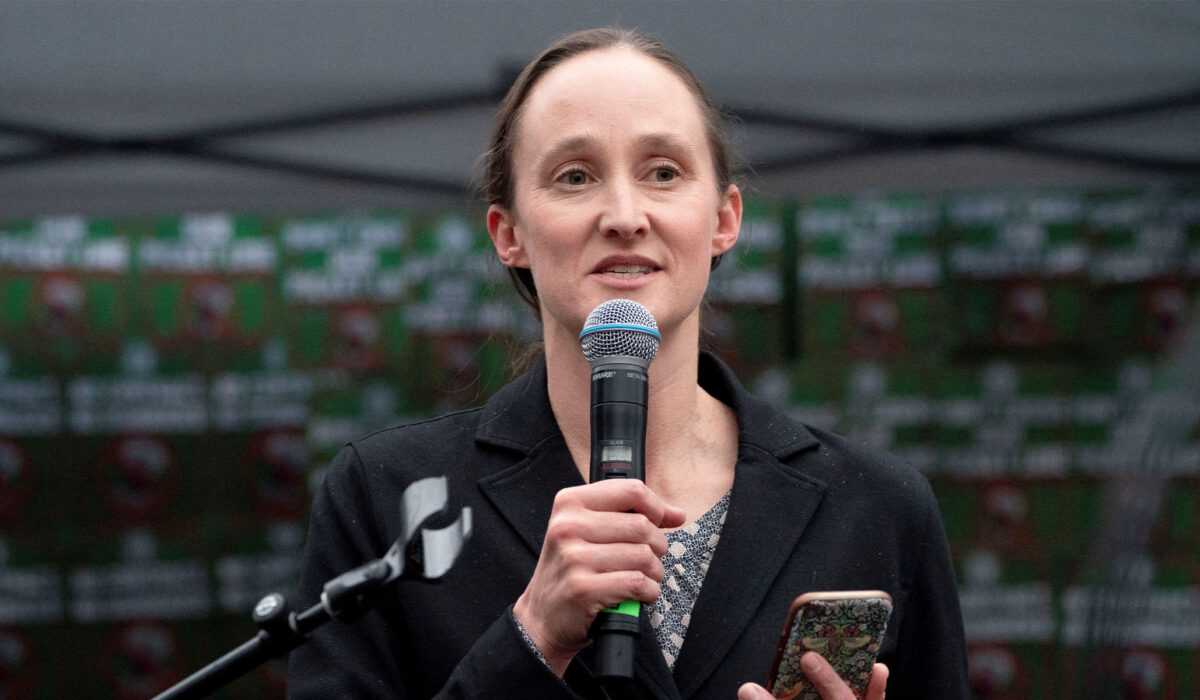
Seattle’s Mayor-Elect and the Myth of Endless Plenty
Like her East Coast counterpart, Seattle’s mayor-elect fails to understand how wealth and scarcity work.
City leaders keep treating budgets like wish lists instead of constraints, and that attitude has real consequences for taxpayers and services. Promising more programs without clear funding means either higher taxes or cuts elsewhere, and residents notice both quickly. Voters deserve honesty about trade offs, not political slogans dressed up as policy.
Across the country, well-meaning officials assume municipal budgets can absorb every new demand. That assumption ignores the basic fact that resources are limited and choices have to be made. When every idea becomes a priority, nothing is prioritized effectively.
Seattle’s choices matter because the local economy is not a bottomless well. Businesses respond to costs, residents respond to incentives, and housing markets respond to policy signals. Ignoring those reactions turns plans into unintended outcomes like fewer jobs, less housing, and strained city services.
Crime, homelessness, and housing shortages are symptoms of policy failures, not unavoidable realities. Treating them as moral puzzles to be solved by goodwill alone is naive. Practical reforms and fiscal restraint can improve outcomes much faster than endless spending promises.
Tax hikes framed as fairness measures often end up hitting the people employers and working families depend on. Higher business taxes discourage investment and can push employers out of city limits. The people who pay the price are not faceless corporations but workers and consumers in the local economy.
Regulations that sound compassionate can make scarcity worse by shrinking supply. Strict zoning rules and excessive permitting drive up the cost of building housing and push prices higher. If the goal is affordable living, policies should focus on increasing supply and removing barriers to construction.
Accountability should be nonnegotiable when officials ask for more money. Budgets need clear priorities, performance measures, and sunset clauses so taxpayers know what they are buying. Without those guardrails, every program risks becoming permanent spending with diminishing returns.
There is room for targeted investments that actually pay off, like workforce training tied to measurable job placements and infrastructure that reduces long-term costs. But those investments need honest cost-benefit analysis and a plan for how to sustain them. Vague promises do not create value, they just move costs around.
Seattle faces real choices and real trade offs, and pretending otherwise is political theater. Leaders should stop treating scarcity as an inconvenience and start treating it as the central fact of budgeting. If the mayor-elect wants to lead, she should name priorities, measure results, and explain the sacrifices required to achieve them.