

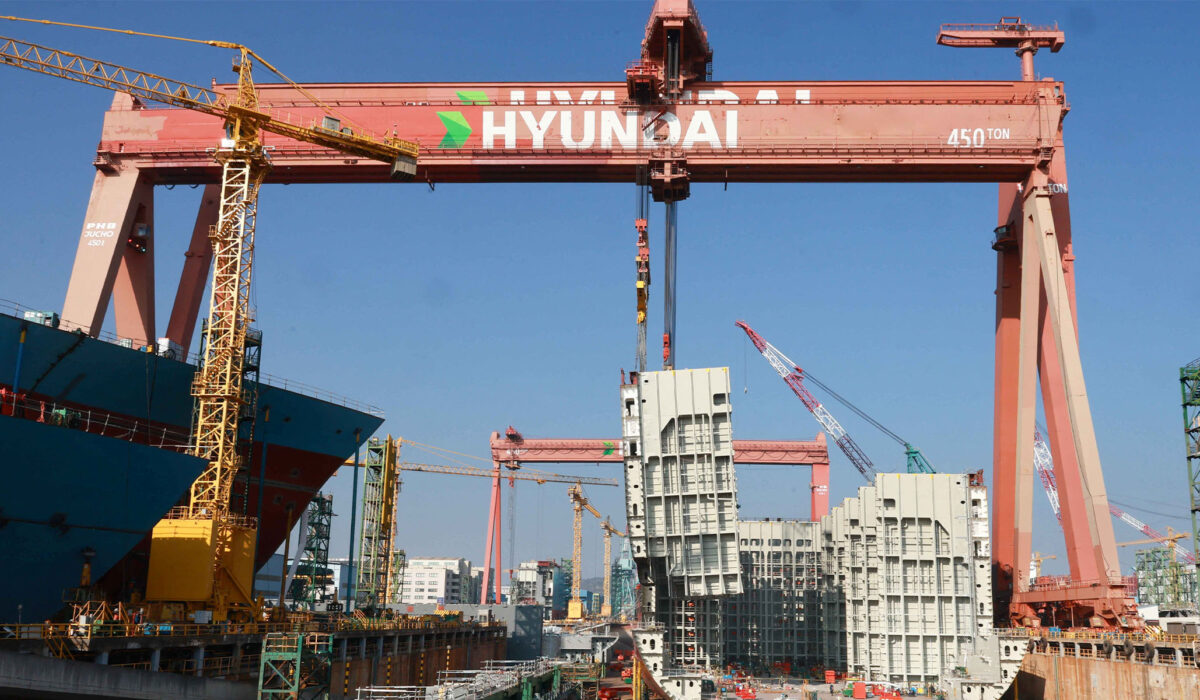
South Korea’s Investment in U.S. Shipbuilding: Why Industrial Capacity Matters
South Korea’s proposed investment in U.S. shipbuilding signals a clear recognition that industrial capacity sits at the center of modern deterrence. This is not just about ships; it’s about who can build, repair, and sustain forces when conflict threatens. American yards working with allied capital could sharpen readiness faster than diplomatic rhetoric alone.
Strategically, sinking money into shipyards is a bet on surge ability and supply-line resilience. A fleet is only as useful as its maintenance pipeline and spare parts network, and allied investment helps plug gaps in that pipeline. For Washington, this should read as an invitation to harden production, not a passive acceptance of foreign control.
The economic upside is straightforward: more orders, steadier workloads, and higher-skilled jobs in coastal communities. If structured right, these projects can revive industrial towns and keep technical know-how onshore. But benefits depend on contracts that prioritize U.S. labor and the transfer of valuable skills to American workers.
Security risks can’t be hand-waved away; sensitive technology and critical supply chains deserve strict scrutiny. Any foreign capital in defense-related facilities must face robust vetting, clear limits on access to classified programs, and enforceable agreements on intellectual property. That’s how you balance alliance cooperation with national security.
From a defense perspective, the real value shows up in surge and sustainment, not headline ship counts. More yards and skilled labor mean shorter repair times, faster retrofits, and the ability to keep hulls on station. In a crisis, those hours saved are the difference between deterrence holding and it unraveling.
Speaking plainly, Republicans should welcome allied investment that strengthens American capacity while insisting on reciprocity and accountability. We want strong alliances that also protect U.S. sovereignty and workers. That means clear conditions, oversight, and a posture that puts American industry and national security first.
Practically, policy tools include strict review by national security panels, domestic content thresholds for public contracts, and enforceable clauses tying investment to workforce development. Export controls and facility security plans must be non-negotiable for any deal involving shipyards that touch defense programs. Training grants and apprenticeship pipelines should be part of the package to ensure long-term domestic benefits.
Operationally, better shipbuilding capacity reduces risk across the board: faster mobilization of escort vessels, quicker repairs of logistics ships, and greater sustainment for carrier strike groups. Interoperability improves when partners build to compatible standards under transparent arrangements. That makes deterrence credible because capability matches intent.
The next steps should be concrete and procedural: timetable joint reviews, set measurable domestic-content goals, and schedule audits to ensure compliance. Congressional oversight and executive-level agreements can lock in protections without stalling productive cooperation. If allied investment is going to shape our industrial base, it should do so on terms that strengthen American power and preserve our strategic edge.