

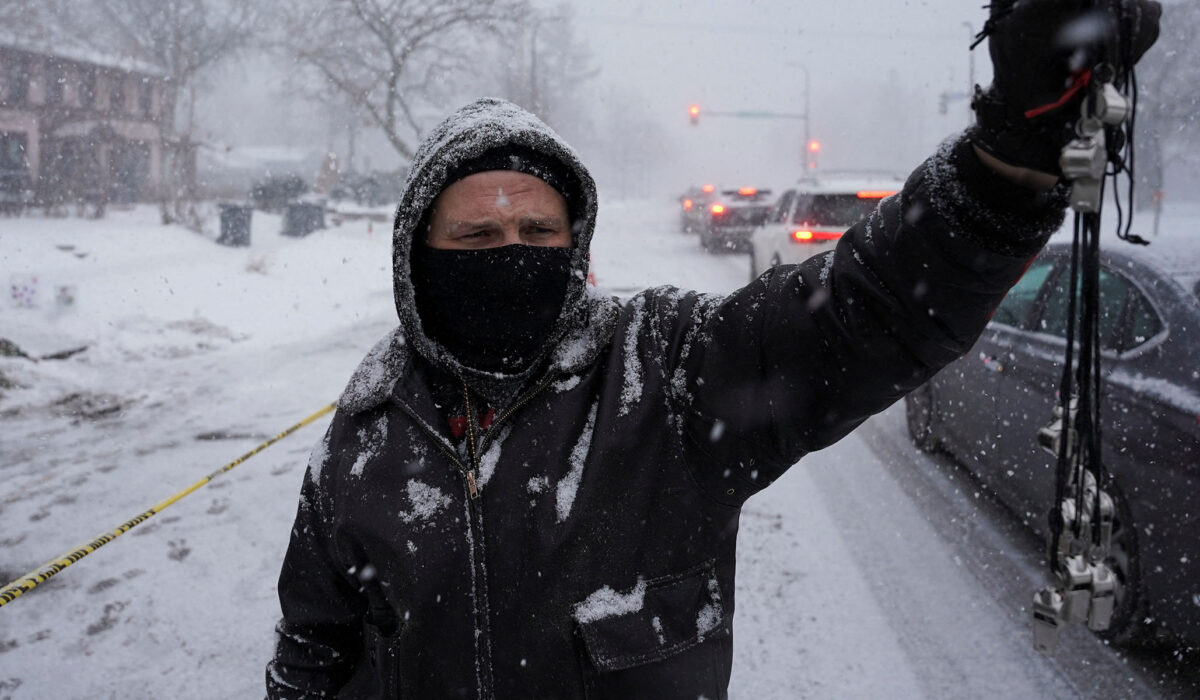
On the South Side of Minneapolis, Getting Rid of the Ice Means Something Else
The phrase “getting rid of the ice” sounds like winter work until you hear it spoken on the south side of Minneapolis. There, it often refers to more than clearing sidewalks—it’s shorthand for removing barriers, risks, and things that make daily life harder. The expression carries practical and social weight in neighborhoods that feel the cold in different ways.
Community crews and neighbors treat ice removal like a public-health chore and a kindness at once. When streets and sidewalks get slick, older adults and families with kids are the first to feel the impact. Clearing ice becomes a collaborative act that protects mobility and independence.
City services manage snow and plows on main roads, but small blocks depend on residents. People swap salt, push shovels, and call for help when needed. That local muscle transforms a slippery hazard into a community project.
Not every household owns a proper shovel or safe footwear, so improvisation is common. Cardboard, sand, and salt bags show up where resources are thin. These stopgap measures keep people moving until official help arrives.
Sidewalks are a particular focus because they connect homes to transit and stores. When sidewalks are icy, people risk falling or getting stranded away from buses. Clearing pathways becomes a matter of keeping access to jobs, groceries, and friends.
In many neighborhoods the question of who clears what is also a question of equity. Some areas get faster municipal response than others, and people notice the difference. That uneven attention drives neighbors to coordinate and cover gaps themselves.
Local organizations often step in to fill those gaps, organizing shoveling brigades and delivering supplies. Volunteer groups can mobilize quickly and target vulnerable residents. Their efforts turn a seasonal burden into an opportunity for connection.
Businesses on the south side feel the effects too, since icy sidewalks reduce foot traffic. Small merchants know that a well-kept sidewalk invites customers and signals care. So they pitch in with salt and sweeping, protecting livelihoods along with safety.
For some residents, “getting rid of the ice” is a metaphor for addressing deeper issues. It can mean tackling obstacles like limited transit, poor street lighting, or lack of affordable childcare. These are the kinds of persistent problems that keep neighborhoods from thriving year-round.
Winter coping strategies evolve from experience: timed salting, salted sand piles, and neighborhood watch lists about icy spots. Schools and senior centers share tips and sometimes coordinate shifts of volunteers. Practical knowledge spreads fast when the stakes are slipping on ice.
There is also a safety angle beyond slips and falls. Icy back alleys can block emergency access and complicate waste pickup. Keeping main and secondary paths clear reduces response times and prevents small problems from becoming big ones.
Technology shows up in modest ways: community apps help residents report trouble spots, and local message boards coordinate help. Phone photos and quick messages can direct volunteers to the worst drifts. These low-tech digital nudges make neighborhood work more efficient.
Despite the chores, there’s a social payoff to working together when the weather is rough. Shoveling parties, warm drinks handed out after a shift, and brief chats across fences build social capital. Those connections matter when any kind of crisis comes along.
City policy matters too, because reliable mandates on property owners and clear municipal timelines affect outcomes. When responsibility is spelled out and enforced fairly, sidewalks stay safer. Policy shapes expectations and helps level the playing field for all residents.
At the end of the day, removing ice on the south side of Minneapolis is practical, political, and personal. It’s about preventing a fall, keeping a job, or making a neighbor’s day a little easier. In that mix, a winter chore becomes something that binds people together.