

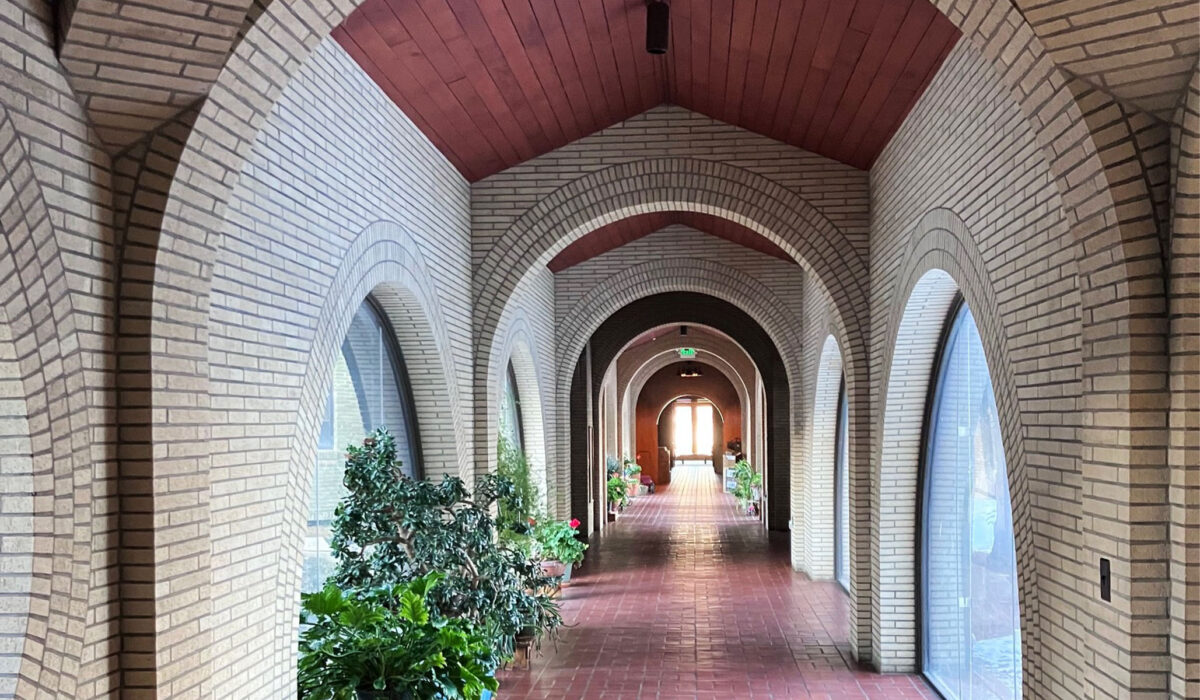
St. Benedict’s Monastery: A Quiet Presence in a Changing Landscape
St. Benedict’s Monastery stood as one of the last visible traces of Western spiritual tradition in an area moving rapidly toward secular life. Its stone walls and daily bells marked a rhythm that many local residents still remember. The monastery’s name carried a quiet weight beyond its gates.
Founded decades ago by a small religious order, the monastery kept time with rituals that connect to a long Western lineage of contemplative practice. Those roots are practical as well as symbolic, tying prayer to manual work and study. For generations, that combination anchored a modest community.
Locally, the monastery functioned as a place for retreats, private prayer, and occasional public services. It offered counsel and a steady presence when other institutions evolved or disappeared. People from nearby towns came for stillness and a break from daily noise.
The buildings themselves reflected restraint and purpose rather than ornament. Simple cloisters, plain chapels, and shared workspaces emphasized function over show. The setting, often described as tucked into the landscape, reinforced an atmosphere of withdrawal from frantic modern life.
Over time the surrounding region became more commercial and social norms shifted away from tradition. Fewer young people entered religious life, and the monastery’s population thinned. Those trends challenged institutions that depend on continuity and vocations.
Inside, the community held to its liturgical practices, preserving chants, readings, and a regimen of silence that shaped daily experience. That preservation acted as a living archive of spiritual forms that are otherwise drifting from public memory. It also became a point of curiosity for visitors seeking authenticity.
Financially, the monastery faced the same practical burdens any aging site does: maintenance, utilities, and the costs of caring for elder members. Endowments can only stretch so far without steady active support or volunteers. Those realities forced internal conversations about stewardship and sustainability.
Life there unfolded in a repeated pattern of prayer, labor, and hospitality, all designed to balance inner formation with outward responsibility. Monastic schedules aimed to sanctify ordinary tasks, making work itself part of spiritual discipline. Hospitality meant offering space to strangers while maintaining the interior life.
Community members spoke of care for both people and place as inseparable duties, treating the monastery as a kind of commons where work and worship met. That perspective shaped how decisions were made about land use and daily priorities. It also influenced relationships with nearby towns and civic leaders.
As the area continued to secularize, options for the monastery’s future widened to include new forms of public engagement that still respected monastic values. Some possibilities involved expanding retreat programs, collaborating with local cultural groups, or preserving parts as historical sites. Each path required balancing mission with changing realities.
Whatever direction the site takes next, the monastery’s legacy includes a record of endurance, ritual, and tangible care for community life. Those elements remain part of the region’s cultural fabric even as institutions evolve. The buildings and practices hold stories that people will continue to encounter in one form or another.
Comments 2
Author
Pretty nice post. I just stumbled upon your weblog and wished to say that I have really enjoyed browsing your blog posts. After all I will be subscribing to your rss feed and I hope you write again very soon!
Author
My wife and i were now joyous Louis could carry out his research from your ideas he received through the web site. It is now and again perplexing just to be handing out ideas which usually most people may have been selling. We really discover we’ve got you to be grateful to for this. All the illustrations you’ve made, the straightforward site menu, the friendships you give support to create – it’s got all excellent, and it is assisting our son and our family understand this issue is pleasurable, which is truly indispensable. Thanks for all the pieces!