

Why American Bombers Still Matter After Strikes on Iran
The recent strikes on Iran brought one thing into sharp relief: long-range bombers are a backbone of U.S. military power. They deliver scale, precision, and a political signal that other platforms struggle to match. Keeping that capability ready is not optional; it is a strategic necessity.
Bomber missions combine reach and presence in ways fighters and missiles cannot replicate. A bomber can carry diverse ordnance, adapt on the fly, and show up where leaders need an option that signals resolve without immediate escalation. That mix of flexibility and deterrence shapes adversary calculations before the first shot is fired.
Stealth and range matter, but so does payload. Modern bombers can deliver stand-off weapons and direct strikes, giving commanders choices across the spectrum of conflict. Those choices let political leaders calibrate force in real time, which is crucial when tensions could spiral quickly.
History shows that visible strategic air capability alters bargaining. When adversaries know the U.S. can bring decisive effects from far away, they behave differently. Bombers are not glamorous to everyone, but they are an undeniable reality check in any crisis.
Investing in the bomber fleet is also an investment in the industrial base and skilled workforce behind it. Maintenance crews, avionics specialists, and weapons developers keep the force effective and adaptable. Eroding that base for short-term savings leaves the country weaker when a crisis demands rapid, sustained action.
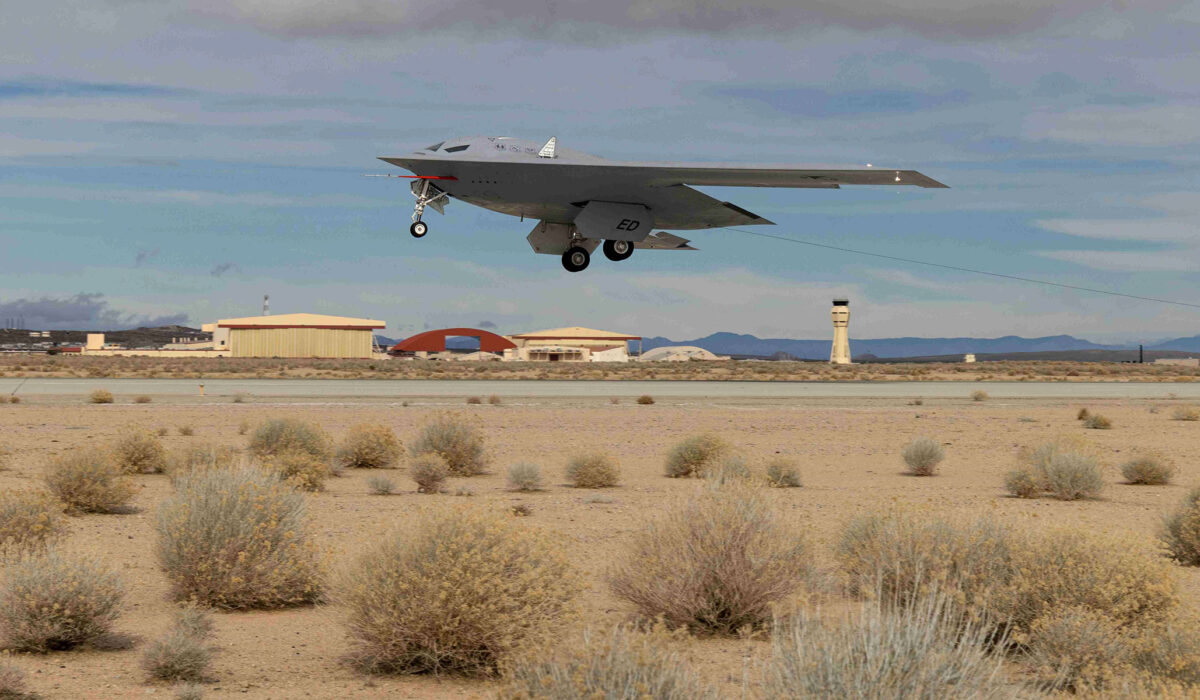
The new B-21 program represents a necessary modernization, not a luxury. It addresses evolving threats with stealth, advanced sensors, and networked systems that make older platforms more effective alongside them. Funding and oversight must reflect the urgency of staying ahead, and Congress has a role in keeping programs on track.
Bombers do more than strike; they reassure allies and deter rivals without immediate escalation to boots on the ground. Allied leaders see capability and think twice about miscalculation. That quiet assurance preserves regional stability in ways diplomacy alone often cannot achieve.
Precision munitions changed the calculus, but they did not make bombers obsolete. Instead, new weapons multiplied what a single sortie can achieve, enabling fewer aircraft to shape the battlefield or protect civilians by striking accurately. That efficiency is critical when political constraints limit options on the ground.
Operational readiness matters as much as technology. You can design the best aircraft, but if crews lack training or logistics falter, capacity vanishes. Real-world missions expose gaps fast, and readiness must be funded consistently, not in reaction to headlines.
Rules of engagement and political restraint will always guide modern missions, but having credible military options strengthens diplomacy. Leaders who can credibly threaten or apply force without disproportionate escalation gain leverage at the bargaining table. That practical leverage is exactly why maintaining bomber capability is a bipartisan national security priority.
Budget debate is inevitable, yet false choices between platforms harm overall capability. The smart approach balances stealth, fighters, missiles, and bombers in a cohesive force. Cutting bombers to save money now risks a more costly strategic shortfall later.
Finally, commanders and policymakers need clarity about mission sets and expected outcomes. If bombers are to remain a key instrument, planning, training, and rules for their employment must be realistic and well-resourced. A credible bomber force is a force multiplier for national power and diplomatic influence.