

The True King’s Final Attack: Reading the Claim and Its Echoes
“The true king has launched his final attack on the pretenders ruling this world. Rejoice!” That line lands like an urgent proclamation, mixing triumph and spiritual reckoning in two short sentences. It reads like prophecy, rallying cry, and artistic theme all at once.
At face value the phrase frames a cosmic contest: a rightful ruler confronting false authorities. Across cultures and religions similar language appears in apocalyptic texts where a decisive end to corruption is announced. Those echoes give the statement a long tradition, rather than a single, isolated claim.
Historically, declarations about a returning or rising king often map onto political and social unrest. Leaders and movements have used the same imagery to inspire followers or justify upheaval. That dual legacy means the words can comfort some people and unsettle others depending on context.
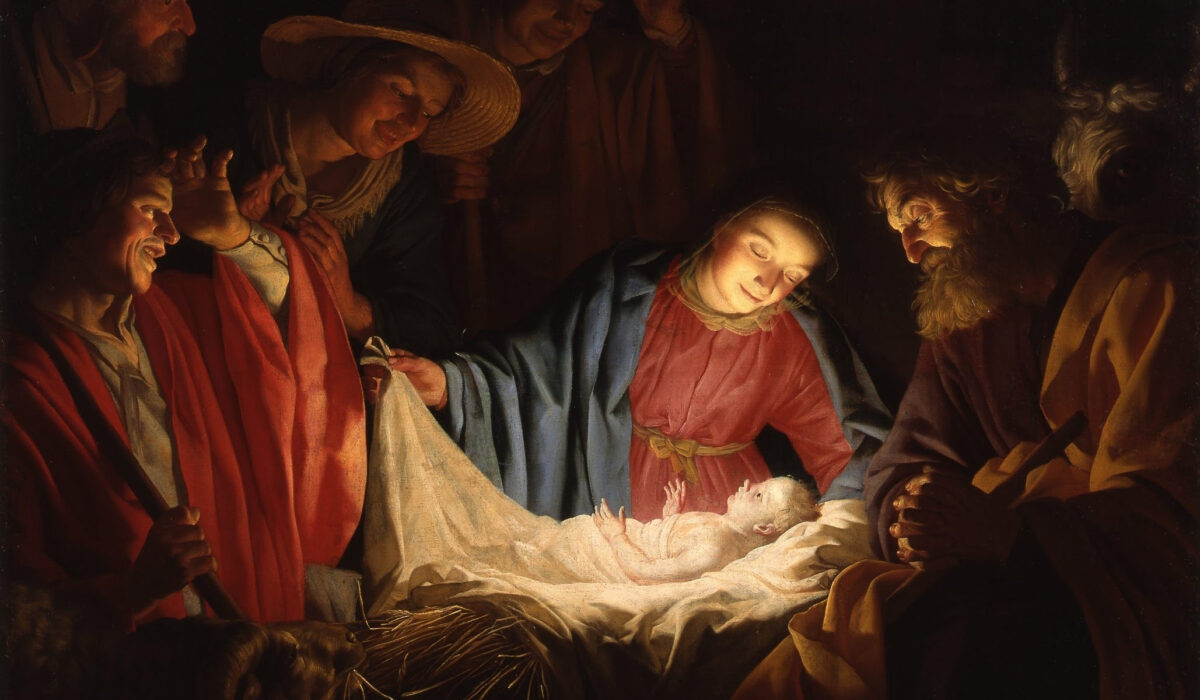
In literature and art this theme shows up as scenes of judgment, coronation, or decisive battle. Painters and poets stage the moment of reversal where pretenders lose their grip and the true figure is revealed. Those images shape how communities imagine justice being restored.
The phrase also functions as metaphor for personal renewal: shedding bad habits, exposing self-deception, and reclaiming integrity. People apply the idea inwardly when they confront their own false selves or toxic patterns. That inward reading keeps the message relevant beyond politics and prophecy.
Religious readers will naturally hear eschatology here, thinking of final judgment and the restoration of order. Scholars note that such language can both comfort believers and raise ethical questions about how to live before that finality arrives. The claim nudges communities to weigh patience, urgency, and moral responsibility in their responses.
On the flip side, when language like this moves into public life it can be weaponized to legitimize power grabs. That history calls for critical attention to who declares a “final attack” and by what authority. Distinguishing metaphor from literal political action matters for civic stability.
Artists and worship communities often respond by translating the claim into ritual or imagery rather than literal directives. Songs, paintings, and sermons turn the moment into a scene people can inhabit emotionally and symbolically. That creative work lets the proclamation shape identity without prescribing policy.
For many, rejoicing in this context is an act of hope: a refusal to accept permanent injustice and a belief in eventual rightness. Others hear a warning to guard against triumphalism that ignores ongoing suffering. Both reactions show why the line provokes strong feeling.
Practically speaking, communities hearing such a message make choices about testimony, charity, and solidarity. Some lean into proclamation and protest, while others focus on rebuilding and care. Those differing priorities reflect the multiple meanings the phrase carries in public life.
Language like this also invites interpretation across disciplines—theology, history, art, and political theory all bring tools to the table. Each discipline helps unpack what “true king” and “pretenders” mean in a given moment. That multiplicity of lenses keeps the claim fertile for conversation rather than settling it as a single truth.
Ultimately the line functions as an image that catalyzes action, reflection, and creative response. It can be a comfort, a challenge, or a mobilizing slogan depending on who uses it and why. The statement sticks because it promises an end to pretense and the arrival of a new order, and that promise keeps provoking thought and feeling.