

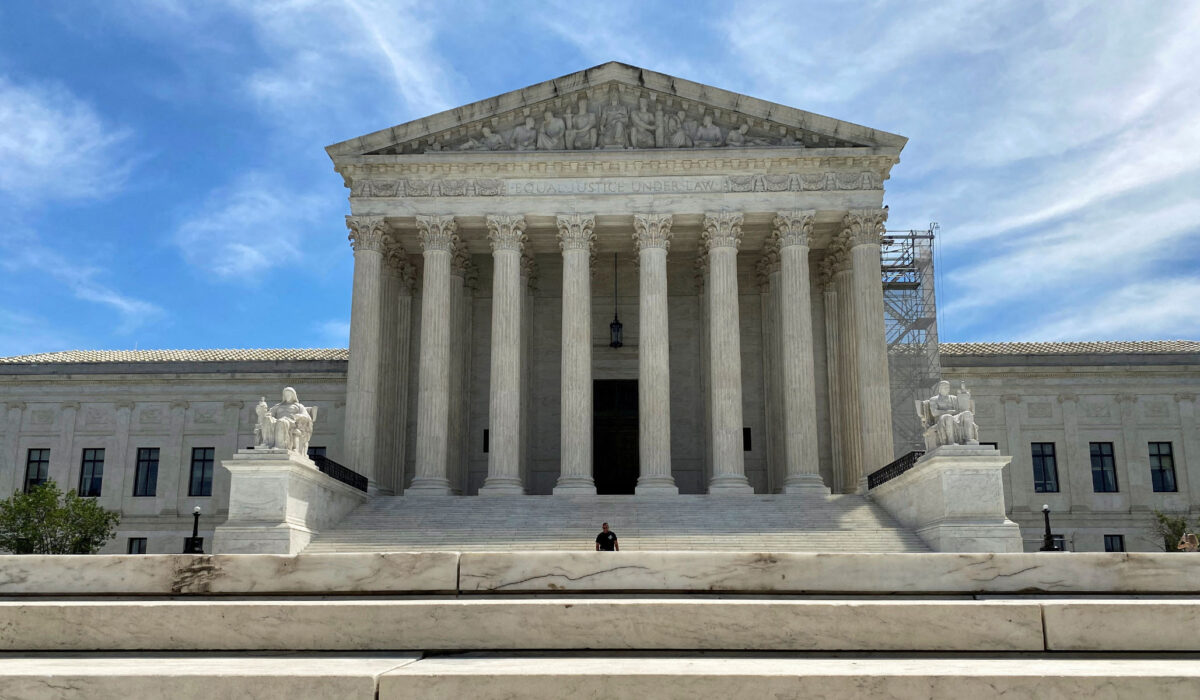
Supreme Court Tariff Ruling: Why Trump Should Accept and Move On
The Supreme Court got the tariff case right, and that matters for the rule of law and predictable policy. A clear judicial ruling ends legal uncertainty that can rattle markets and businesses. From a Republican perspective, respecting that clarity is a political and practical strength.
The Court’s decision reinforces limits on executive reach, which conservatives should support when it protects separation of powers. Courts stepping in to define boundaries is not a rebuke of strong leadership, it is a defense of constitutional order. That order preserves the authority of Congress and gives durable backing to policy choices made through proper channels.
For businesses and manufacturers, the ruling reduces the regulatory fog that comes with contested tariff programs. Investors and supply chains dislike ambiguity, and a settled legal test restores confidence. Predictability is pro-growth and pro-worker, which aligns with conservative economic goals.
Politically, insisting on continued litigation after a clear Supreme Court loss can look like refusing responsibility. Voters respect candidates who accept final judgments and pivot to constructive work. If former President Trump accepts the outcome and shifts to policy ideas, he gains credibility with swing voters who want solutions over grievance.
There are still ways to pursue trade goals within the law, and Republicans should focus on those options. Congress can legislate targeted tariff authority or pass trade measures that reflect current economic priorities. A legislative pathway also gives political cover and democratic legitimacy to tough trade stances.
By embracing the Court’s ruling, Republican leaders can highlight disciplined conservatism: firm on borders and commerce, but faithful to institutions. That message separates principled governance from rank partisanship. It also helps position the party as the steward of stable economic policy rather than a source of chaotic swings.
Strategically, accepting the verdict frees political energy to attack real problems like China’s unfair practices and excessive regulations at home. Keep the focus on concrete steps such as streamlined permitting, tax relief, and targeted measures that level the playing field for American firms. These moves are more persuasive to voters than prolonged legal fights.
There is also reputational upside in thanking the Court when it makes a ruling you respect, even if you are disappointed. A measured response signals maturity and respect for institutional checks and balances. That posture can broaden appeal beyond the base and show a willingness to govern responsibly.
For conservatives who worry about expanding executive power, the decision is a win because it reinforces legal guardrails. Courts that check overreach protect future administrations of all parties from unchecked authority. That protection is a long-term gain for institutional integrity and policy stability.
Practically speaking, policy work moves faster when leaders accept outcomes and build consensus on the next steps. Use this moment to draft legislation, court novel but lawful approaches, and engage allies in state and federal government. Action beats grievance when the goal is lasting influence on trade and the economy.
Accepting the ruling does not mean abandoning a strong trade posture, nor does it mean conceding on principle. It means choosing the route that best secures durable policy wins and strengthens conservative governance. If former President Trump follows that path, he may find himself thanking the justices for clearing the way to meaningful, lawful reform.