

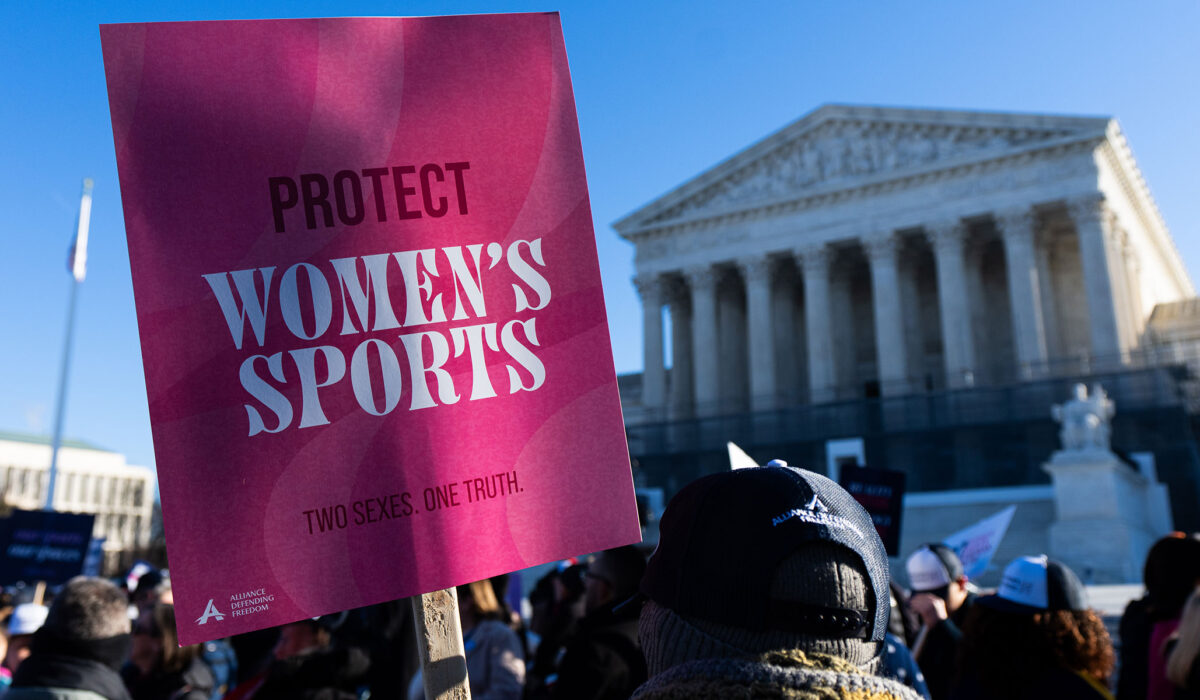
When the Supreme Court Weighs Sex and Sports
A Supreme Court argument comes down to the most basic difference between men and women.
The line at issue is simple: how do we protect opportunities for women while treating everyone with dignity? Conservatives worry the answer should protect sex-based categories that were created to give women a fair shot in athletics and other areas.
This isn’t just a cultural debate, it’s a legal clash about definitions the law has used for decades. Title IX, equality principles, and equal protection doctrine all rely on classifications that separate sex and gender for specific purposes. From a Republican view, changing those classifications without elected input risks eroding protections women won through long public fights.
Science and competition matter in this discussion, and many conservatives point to measurable physical differences when stakes involve contest fairness. That argument is not an attack on any individual, it’s about ensuring that girls and women retain spaces and awards designed for their participation. The concern is practical: mixed categories can change incentives and outcomes in ways that leave women at a disadvantage.
Judges are being asked to pick a legal standard for when sex-based divisions are permitted or required. The conservative approach favors narrow, clear rules that respect biological realities while leaving policymakers room to set specific rules. Republicans generally prefer deference to legislatures and state athletic associations, rather than broad judicial redefinition of categories.
There is also a rights-versus-structure angle. Defenders of single-sex categories argue that those structures were created to remedy historic exclusion and to preserve competitive parity. From this perspective, removing or blurring categories undermines the remedial purpose and robs women of hard-won opportunities.
On the flip side, those urging broader recognition of gender identity frame the issue around individual dignity and equal access. Conservative critics say that recognizing identity for all purposes without limits can create conflicts in places where sex-based distinctions serve important social goals. The clash is between individual claims and institutionally defined categories that aim to serve broad populations fairly.
Politically, the question has real consequences at the state level where lawmakers have adopted different rules for school sports, facilities, and eligibility. Republicans tend to argue that voters and their elected representatives are the proper venue to balance competing interests. That lets communities tailor rules to local values rather than rely on a single nationwide judicial mandate.
Legal outcomes will shape policy, but so will social norms and science as the country adapts. Conservative voices want judges to recognize the importance of sex-specific protections and to craft holdings that preserve them. The goal is to produce workable doctrine that courts can apply consistently without dismantling frameworks designed to promote women’s participation.
At stake is more than a single case; it’s whether institutions can continue to use sex-based categories for specific, limited purposes. Republicans argue for clarity, stability, and respect for biological distinctions where they matter. The outcome will affect schools, colleges, and the meaning of sex-based fairness in public life.