

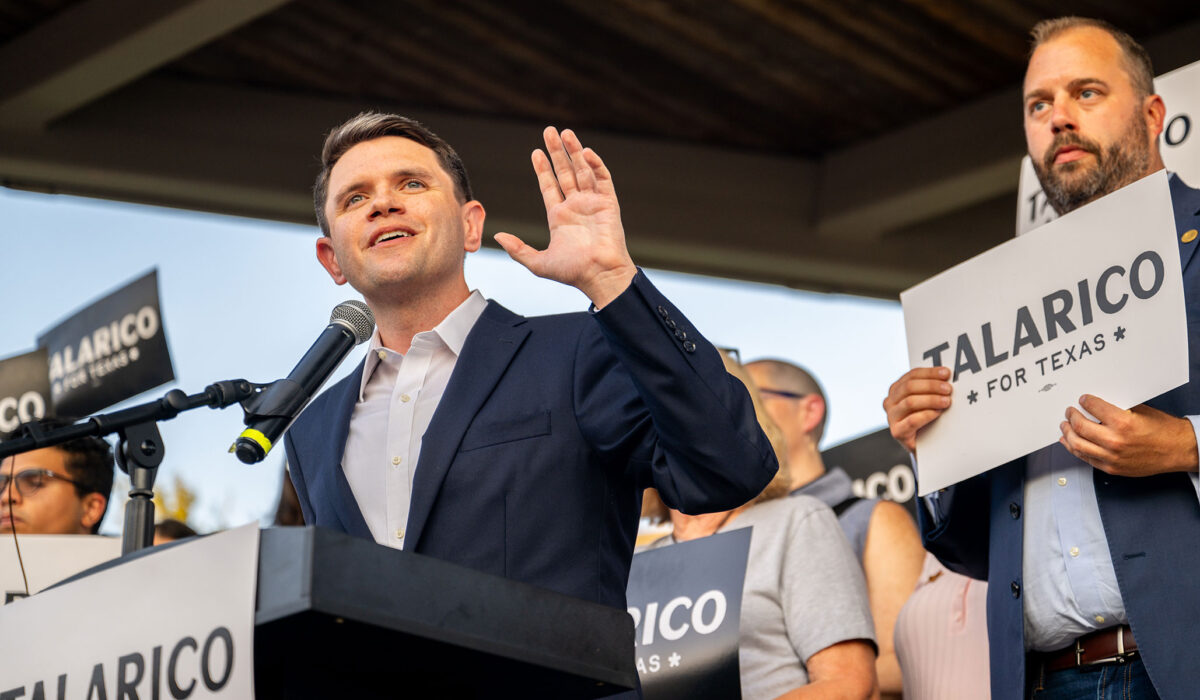
James Talarico and the Mirage of Moderation
Politicians who claim the center deserve scrutiny, especially when their voting history and public alliances point another way. Voters are tired of labels that paper over real differences, and it matters when a candidate tries to trade the word moderate for instant credibility.
He is not, in fact, a moderate, unless ‘moderate’ is now a synonym for ‘white man.’
That line lands because it presses on something voters already notice: words are being used as camouflage. When a candidate leans into centrist language while echoing partisan priorities, the label becomes a talking point instead of a description.
Look at how policy choices line up with messaging. A politician can call themselves moderate while voting with the party on taxes, education, or public safety, and that pattern tells a clearer story than campaign slogans. For many voters, consistency between words and record is the true test.
Endorsements and alliances also reveal the political compass. When influential groups from a party’s activist wing back a candidate, it’s a strong indicator of where their priorities lie. Labels offered by campaign teams or sympathetic outlets should be weighed against those visible connections.
The media plays a big role in manufacturing moderation narratives, often treating branding as neutral reporting. Coverage that repeats a candidate’s self-description without examining the facts becomes part of the problem. Audiences deserve reporting that contrasts claims with actual votes and public stances.
Republican voters see this through a practical lens: moderation matters when it protects liberty, public safety, and local control. A candidate who claims the middle but supports policies that expand government or prioritize ideological goals should not get a free pass. The debate isn’t about civility; it’s about whether policy outcomes reflect conservative principles.
Messaging tactics matter, because they shape who shows up on Election Day. A polished centrist label can pull soft voters if it’s believable, but it won’t hold up under scrutiny of the record. That’s why context and specifics are decisive, not catchy branding.
In campaigns, the pressure to appear reasonable is constant, and opponents exploit that pressure strategically. Political teams will amplify any phrase that helps them win, whether or not it matches reality. Voters should expect opponents to point out the gap between rhetoric and record.
When you examine a candidate, look beyond the word moderate and examine outcomes: how they vote, who funds them, and which groups advocate for their agenda. Those signals are more reliable than labels. The essential task for voters is to match language with evidence and hold candidates accountable when the two diverge.