

Faith as Rhetoric: When Christianity Becomes a Talking Point
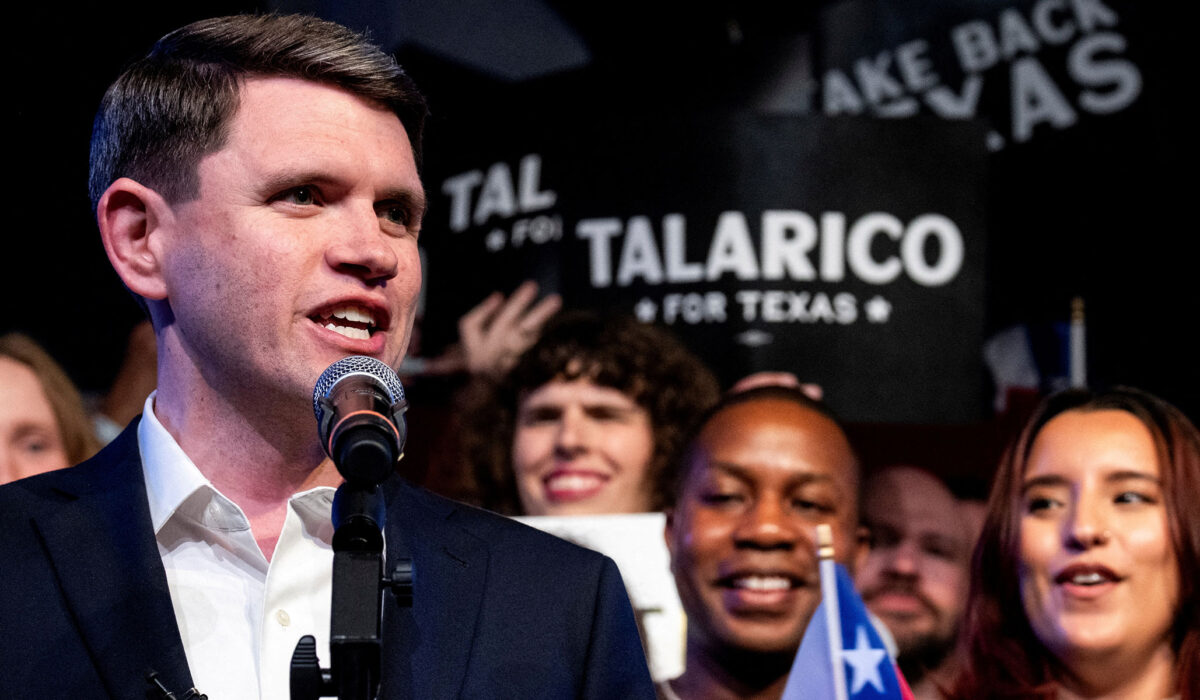
“When the Texas candidate cites his Christianity, it’s often in service of a trendy progressive position.”
That line cuts to the heart of a broader concern many conservatives have: using faith as a prop rather than a foundation. Voters deserve clarity on whether beliefs guide policy or just polish a public image.
When political messaging treats Christianity like a prop, it cheapens both the faith and the political process. People who live their faith expect leaders to be consistent, not flexible depending on the polling cycle.
There is a long tradition in American politics of leaders who let conviction steer them even when it is costly. A candidate who markets faith to win trust, then endorses popular progressive policies, disappoints those who want moral clarity in public life.
Conservatives are right to ask what a leader actually believes and why those beliefs matter for governance. Is Christianity being cited to justify a position or to sanitize it for skeptical voters? The distinction matters for trust and accountability.
Policies matter more than platitudes. When a candidate claims religious conviction but backs outcomes that expand government control or reshape cultural norms, those choices have real consequences for families and communities.
Look at education policy, for instance, where religious liberty intersects with classroom standards and parental rights. A candidate who leans progressive on curriculum while invoking faith raises questions about whose values will actually be protected.
On social issues, the tension becomes sharper. If Christian language is used to soften a stance that aligns with progressive causes, conservative voters have to decide whether this is pragmatic compromise or principled leadership gone missing.
Fiscal policy is part of the picture too, because moral claims influence who bears the tax burden and what programs expand. Faith-informed governance should favor responsibility, not a quick slide into unsustainable spending masked as compassion.
Religious language should not be a cover for inconsistent policy choices, and voters are wise to demand substance. Authenticity means accepting political tradeoffs, not reshaping doctrine to fit a focus group.
Faith communities expect their leaders to defend religious freedom and the sanctity of conscience, even when those positions are unpopular. When religion is co-opted for fashionable positions, it undercuts the confidence people need to support a leader long term.
There is room in politics for persuasion and nuance, but that is different from swapping out the moral compass to match the latest trend. Conservatives want candidates who articulate how their faith produces enduring policy commitments, not seasonal messaging.
At the end of the day, voters should weigh rhetoric against a record and a plan. The question remains: will Christianity be a guiding principle or a campaign veneer?