

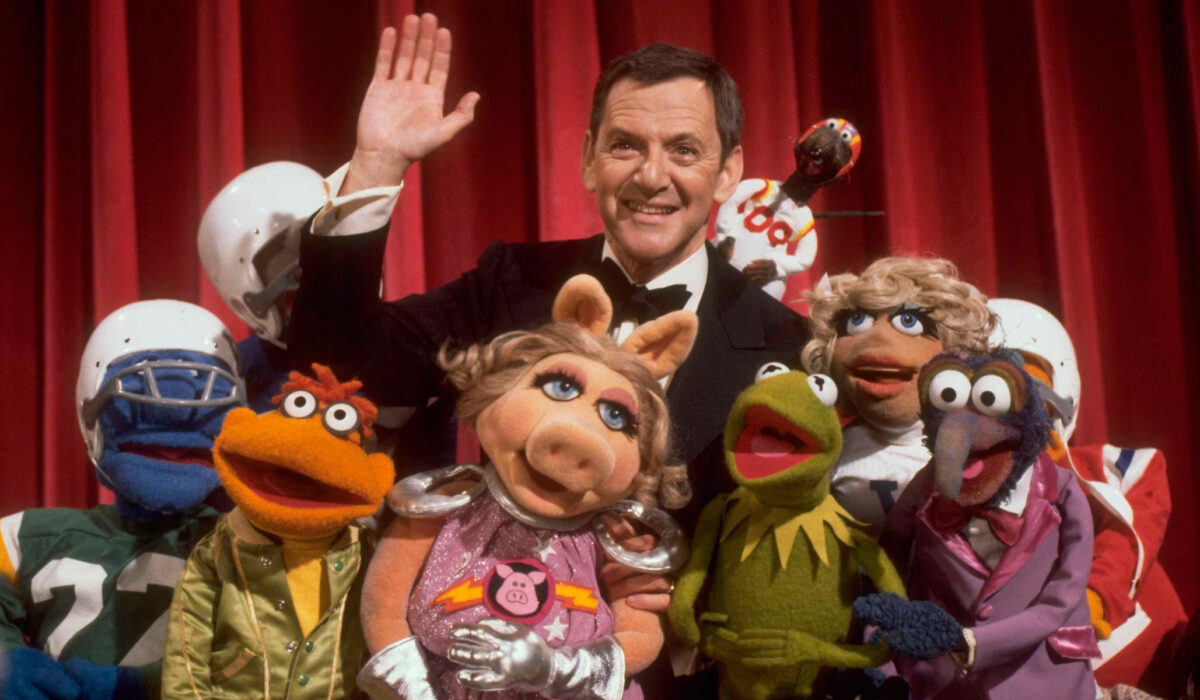
The Muppet Show: Why the 1976–1981 Era Still Delivers
From 1976–1981 the show found a perfect balance between slapstick and savvy, and that mix is why it still plays so well today. Episodes moved fast, packed in sketches, songs, and guest stars without ever feeling rushed. It created an energy that families could enjoy together without talking down to anyone.
The cast built a rich ensemble that felt like a small, noisy community you could visit each week. Kermit anchored the chaos with a weary calm, while Miss Piggy brought glam and unpredictability. Fozzie, Gonzo, and the rest supplied a steady stream of distinct comic personalities.
The variety format let writers toggle between broad physical comedy and sharper, wink-at-the-adults moments. That layering made the show work on different levels for different ages. You could laugh at the obvious gag and then catch a clever line you’d missed the first time.
Music was a major ingredient, with numbers that ranged from heartfelt to hilariously offbeat. Songs were often staged like mini-productions, bringing theatrical flair to television. That commitment to musical craft lifted many sketches and helped episodes feel cinematic.
Guest stars were more than cameos; they played along and often got surprising chances to shine. Their presence gave each episode a kickoff of star power while letting the puppets remain the scene-stealers. The interplay between human guests and Muppet characters created a steady stream of memorable moments.
Puppetry on the show was a technical and artistic feat, especially for its time. The performers built believable emotions from fabric, foam, and expert timing. That craft made characters feel real enough to invest in, even as they performed ridiculous bits.
Writers and performers pushed boundaries in ways that still feel fresh, combining absurdity with a sly intelligence. Many jokes landed on pure silliness, while others slipped in satire or cultural nods. That range gave the program broad appeal without diluting its identity.
The show’s production values also stood out, with inventive set pieces and practical effects that aged well because they were grounded in real workmanship. Even decades later, the tactile look of the show reads as intentional and artistic. That makes reruns enjoyable, not just nostalgic.
Part of the show’s staying power is how it respects kids’ sensibilities while rewarding adults who’re paying attention. It didn’t condescend, which matters when you want a family show to bridge generations. That respect helped build a multigenerational audience that returned for repeats and recommendations.
Cultural impact spilled beyond immediate viewership, influencing performers, puppeteers, and variety programming that followed. The show created a template for blending character-driven comedy with musical theater and guest interplay. Its footprint is visible in later sketch shows and puppet-driven projects.
Watching episodes from that 1976–1981 stretch today, you notice the confidence in every element—writing, design, puppetry, and performance. That confidence translates as a brisk, entertaining pace that doesn’t rely on nostalgia alone. It’s entertainment built to stand on its own merits.
For anyone revisiting this era, the appeal is immediate: clean, funny, and full of heart. The show still offers moments that surprise, comfort, and crack you up in equal measure. That’s what family entertainment should aim to be—fun first, smart second, and built to last.