

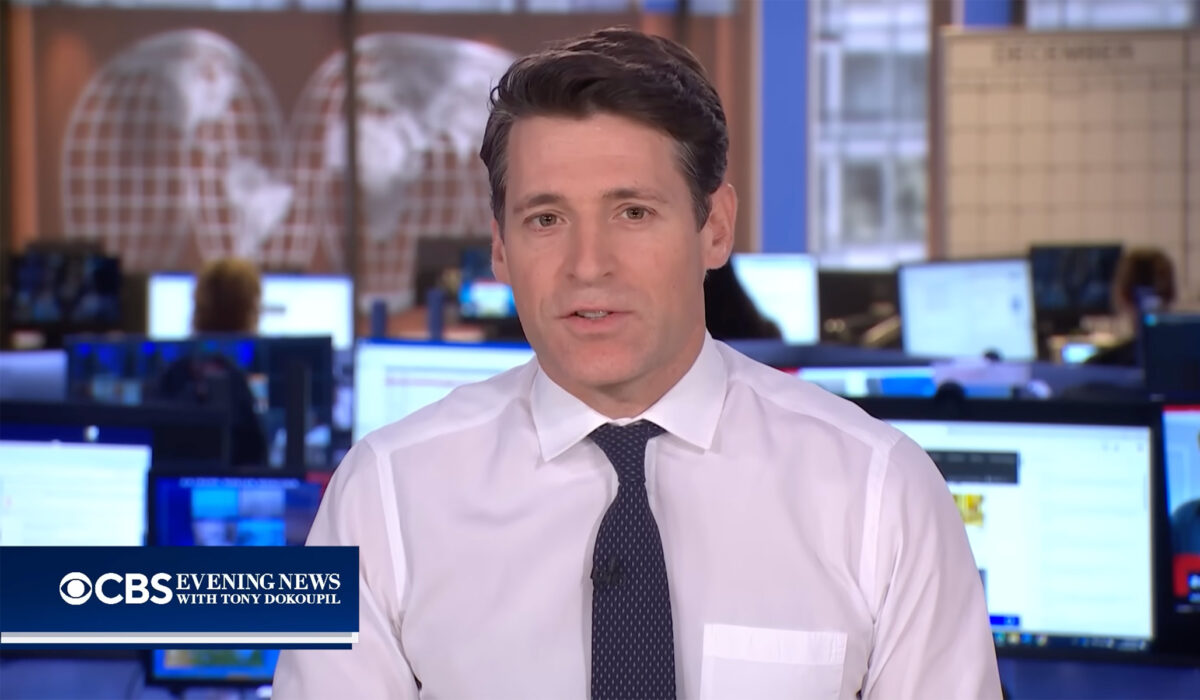
Tony Dokoupil Reaffirms the Network’s Commitment to Truth
Tony Dokoupil made a short, direct pledge about journalistic standards and accountability, saying, ‘Hold me to it.’ This line surfaced as a clear restatement of a newsroom promise to pursue accuracy and transparency. It landed as both a reassurance and a challenge to viewers and colleagues alike.
Dokoupil’s name carries weight in broadcast news, and a public recommitment from someone in his role signals intent inside the newsroom. That intent matters because audiences judge outlets on how they handle mistakes as much as on the initial reporting. A promise in public is a different kind of accountability than an internal memo.
At its heart this is about trust, and trust in media is fragile and earned over time. When a presenter or editor vows to foreground factual clarity, it sets a tone for everyday reporting choices. Concrete follow-through will determine whether such a tone translates into consistent practice.
The pledge itself focused on transparency and a clear process for corrections and clarifications. Viewers want to see how claims are sourced and how errors are fixed, not just hear that they will be fixed. That practical transparency is what makes a promise meaningful.
Colleagues inside the network feel the pressure that comes with a public commitment, and that pressure can be productive. It can sharpen editing, strengthen sourcing, and encourage quicker, clearer corrections when needed. The visible reminder — ‘Hold me to it.’ — serves as a persistent prompt for better habits.
Audiences respond to signals more than slogans, so the next steps will be telling. Regular updates on editorial standards, clearer labeling of opinion versus reporting, and prompt correction notices all help. Those are the kinds of moves that rebuild confidence slowly but steadily.
For a newsroom, culture flows from leadership decisions and everyday practice. Leadership can mandate standards, but editors and reporters must make those standards real in the daily grind. The challenge is aligning incentives so that speed does not trump accuracy.
There is also reputational risk for anyone promising more rigorous truth-telling if those promises go unfulfilled. A public vow raises expectations among viewers and competitors alike. If lapses occur, the contrast between promise and performance becomes part of the story.
Still, public recommitments are useful when accompanied by measurable steps: clearer sourcing, visible corrections, and routine internal reviews. Those steps give audiences something to assess rather than just a slogan to repeat. Measurement and openness are what turn a pledge into a practice.
Dokoupil’s short line, ‘Hold me to it.’, is compact but pointed, and it puts the responsibility back on both the speaker and the audience. It’s a reminder that promises in journalism require constant work, not applause. The real test will be tracking the newsroom’s everyday choices against that promise.