

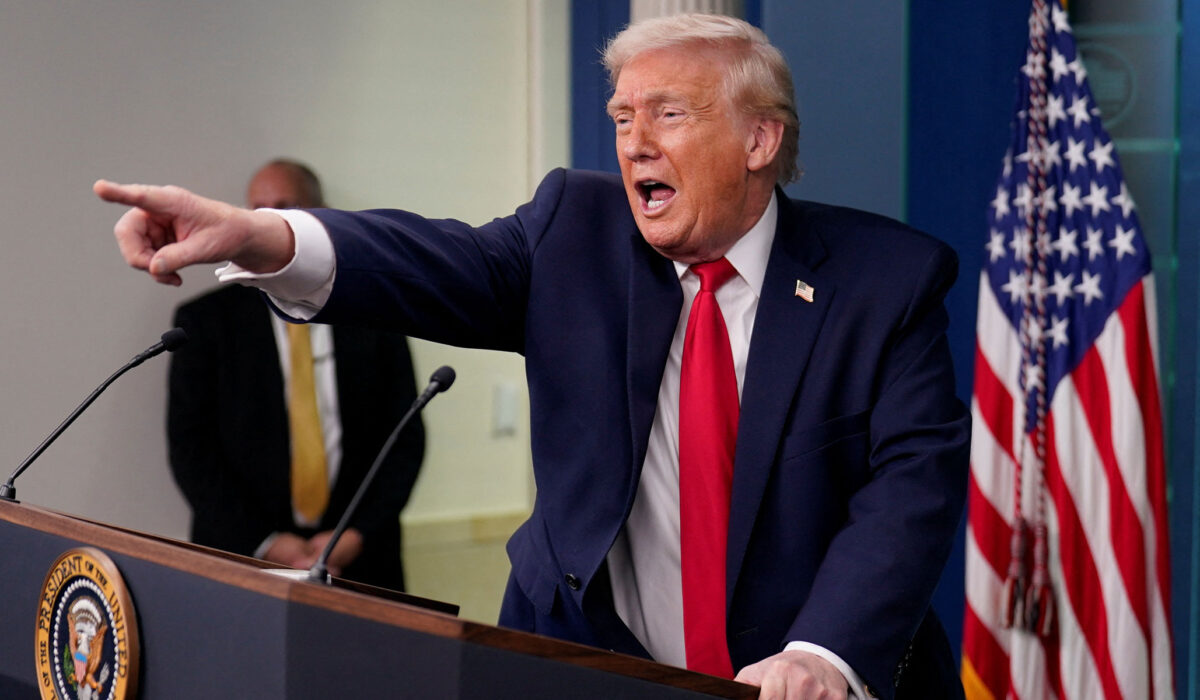
When Presidents Didn’t Pop Off on Every Tom, Dick, and Harry
There was a time when the office of the president carried with it a built-in sense of restraint and gravitas. Presidents filtered their anger through speeches, carefully chosen statements, and formal channels rather than firing off barbs at every critic. That old pattern mattered because it protected the dignity of the institution.
Today’s political environment has ripped up that playbook, and not entirely for worse reasons. Media bias, institutional failures, and cultural attacks demand a firmer response than polite evasions used to provide. Republicans argue that a president who speaks plainly and defends his record can cut through the noise in ways decorum sometimes cannot.
Still, bluntness and decorum are not mutually exclusive. You can call out bad actors, hold enemies accountable, and still preserve a core level of presidential dignity that commands respect at home and abroad. The mistake is pretending every slight requires a public shouting match; strategy matters.
History shows restraint can be effective, but so can resolve. Presidents who relied solely on polished speeches sometimes watched national interests drift while pundits applauded civility. Conservatives learned that soft words alone often don’t protect borders, jobs, or national security.
The modern conservative case is simple: match rhetoric to results. When institutions act unfairly, a strong response can realign incentives and protect voters. But strength that looks like chaos only plays into the hands of opponents and undermines long-term goals.
Part of the problem now is that everything is amplified and immediate. Social platforms reward outrage, and pundits monetize outrage even when it accomplishes nothing. A president who chases every provocation ends up distracted from governing.
That’s why Republican leaders talk about disciplined offense. It’s not about silencing emotion; it’s about choosing the fights that matter and winning them with policy, appointments, and messaging. Practical victories build credibility faster than viral insults.
We also have to recognize the psychological element: voters want a leader who defends them and fights back. When elites look the other way, a president who pushes back wins loyal support. The trick is turning that energy into durable political capital instead of momentary spectacle.
When presidents do pop off, the court of public opinion decides whether they look like fighters or bullies. Republicans prefer a fighter image backed by tangible wins: better trade deals, stronger immigration controls, lower taxes, and judges who enforce the Constitution. That combination earns respect across the country and the world.
Governance requires both spine and restraint. A president who can be blunt with adversaries yet measured with allies preserves alliances while protecting national interests. Voters want a leader who knows when to roar and when to steer the ship.
Finally, restoring a sense of presidential dignity is about more than manners; it’s about securing the office for future leaders. Conservatives want an energetic presidency that follows the rule of law and produces results while avoiding the performative chaos that weakens institutions. The goal is leadership that wins and endures without losing its moral center.