

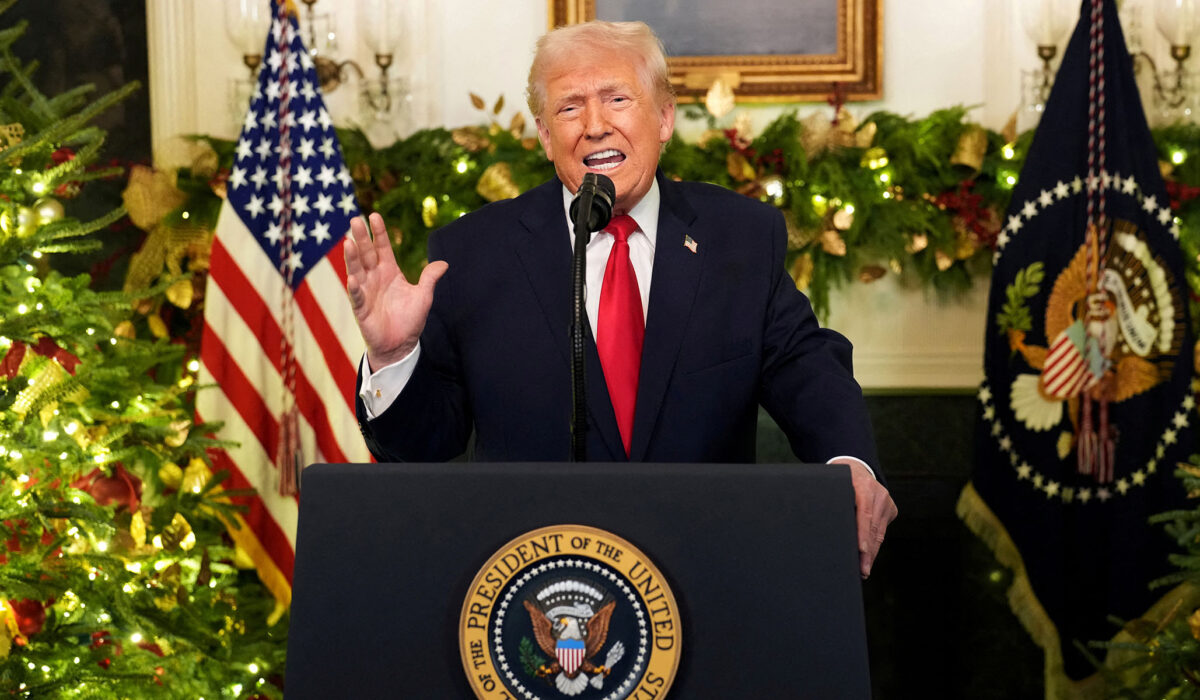
Trump’s Speech: A Clear Wake-Up Call on the Economy
If nothing else, Trump’s speech shows the White House realizes the political challenge it faces on the economy. That admission matters because voters decide elections largely on how they feel about jobs, prices, and growth. The speech made clear that economic messaging is now a battle the administration cannot ignore.
Trump framed the debate by reminding people what a pro-growth, low-tax agenda looks like in practice. He highlighted job gains, energy production, and regulatory relief as concrete examples that people can point to when they compare results. That contrast forces the White House to respond on substance, not just spin.
Republicans should welcome this moment because it levels the playing field on issues that matter to working families. The party’s economic record gives a simple narrative: growth, opportunity, and predictability beat uncertainty and higher costs. Voters tired of inflation and stagnant wages respond to clear, tangible plans.
One takeaway from the speech is that messaging must meet people where they live, not in abstract policy debate. Talk about paychecks, mortgage payments, and small business realities, and you get attention. That is a strength of Trump’s approach; it reduces complicated policy to everyday impact.
The administration can no longer treat economic criticism as only political noise. When core voters say they are hurting, politicians have to produce answers that actually change outcomes. A willing opposition that points to past successes forces better performance from those in power.
Trump also used the stage to tie economic performance to national confidence and security. Energy independence, secure borders, and stable supply chains are economic issues as much as they are strategic ones. Framing them that way connects economic policy to voters’ broader concerns.
Messaging alone is not enough, of course; it must be backed by policy that keeps taxes low and removes needless regulation. A Republican view prefers markets that reward effort and risk, rather than expanding government with uncertain returns. Clear policy proposals make the political case credible rather than just emotional.
The speech highlighted the political cost of letting opponents define your economic story. When people hear only excuses about global trends or temporary setbacks, they tune out. A confident, results-focused narrative forces opponents to defend poor outcomes or change course.
For Republicans, this moment is an opportunity to emphasize success stories without sounding like a lecture. Celebrate growth where it happened, acknowledge problems where they persist, and present practical fixes that voters can imagine working. That mix wins trust and creates a contrast voters can choose.
Trump’s ability to simplify complex issues into memorable talking points is politically effective and should be studied. It is not just about sound bites; it is about packaging policy in terms that stick and that people can use when they talk with neighbors and family. Winning the argument on the economy means making the argument impossible to ignore.
Finally, the speech did something important for Republicans: it forced a conversation on concrete economic performance rather than abstract virtue signaling. That forces clarity, accountability, and a sharper choice for voters. The party that offers tangible improvements to everyday life will be the party that benefits most from that shift.